

Working the way it should
A tank that's keeping up looks ordinary. No rust at the base, no damp spots on the floor, fittings dry where the pipes meet the top. It heats water on a steady cycle and refills fast enough that the house doesn't notice.
You run the shower or start the dishes and the hot water taps out before you're done. With a full house to keep comfortable, that's more than annoying, it means someone is stuck waiting for a tank to catch up, or skipping a shower until it does. You want to know if this is normal for a water heater or a sign something has failed.
A tank that once lasted through the whole house now running out partway through usually means one of two things. Either the household is using more hot water than the tank was sized for, or the tank itself has lost capacity. Sediment settles at the bottom of a tank over time and takes up space that used to hold hot water, so the same size tank delivers less. A failing heating element in an electric tank, which is what most homes around Austin run on, can also mean the water heats slower than it drains, so you lose hot water sooner even though nothing about your usage changed. Either way, this is a repair a licensed plumber can diagnose by checking the tank and its parts directly.
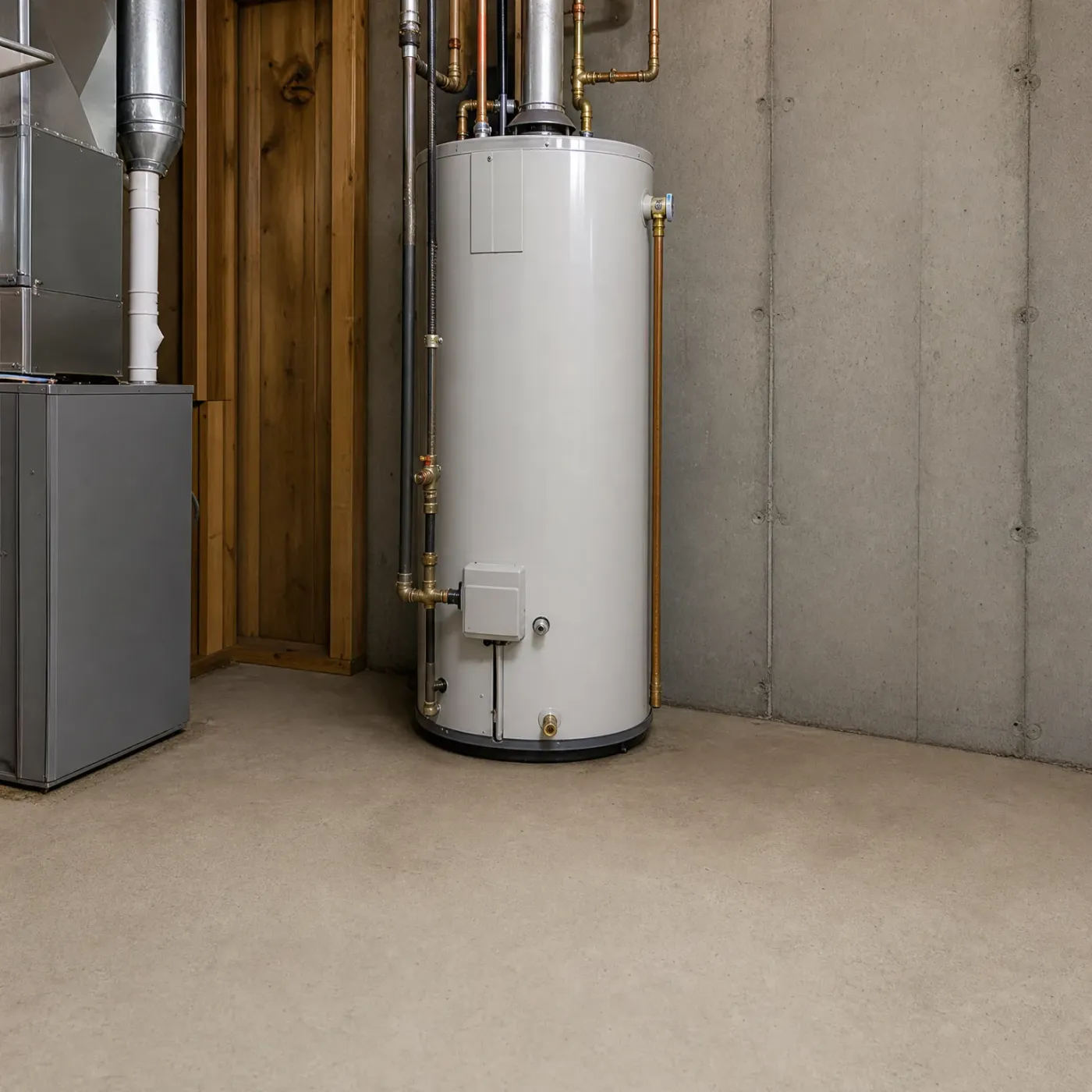
A tank that's keeping up looks ordinary. No rust at the base, no damp spots on the floor, fittings dry where the pipes meet the top. It heats water on a steady cycle and refills fast enough that the house doesn't notice.
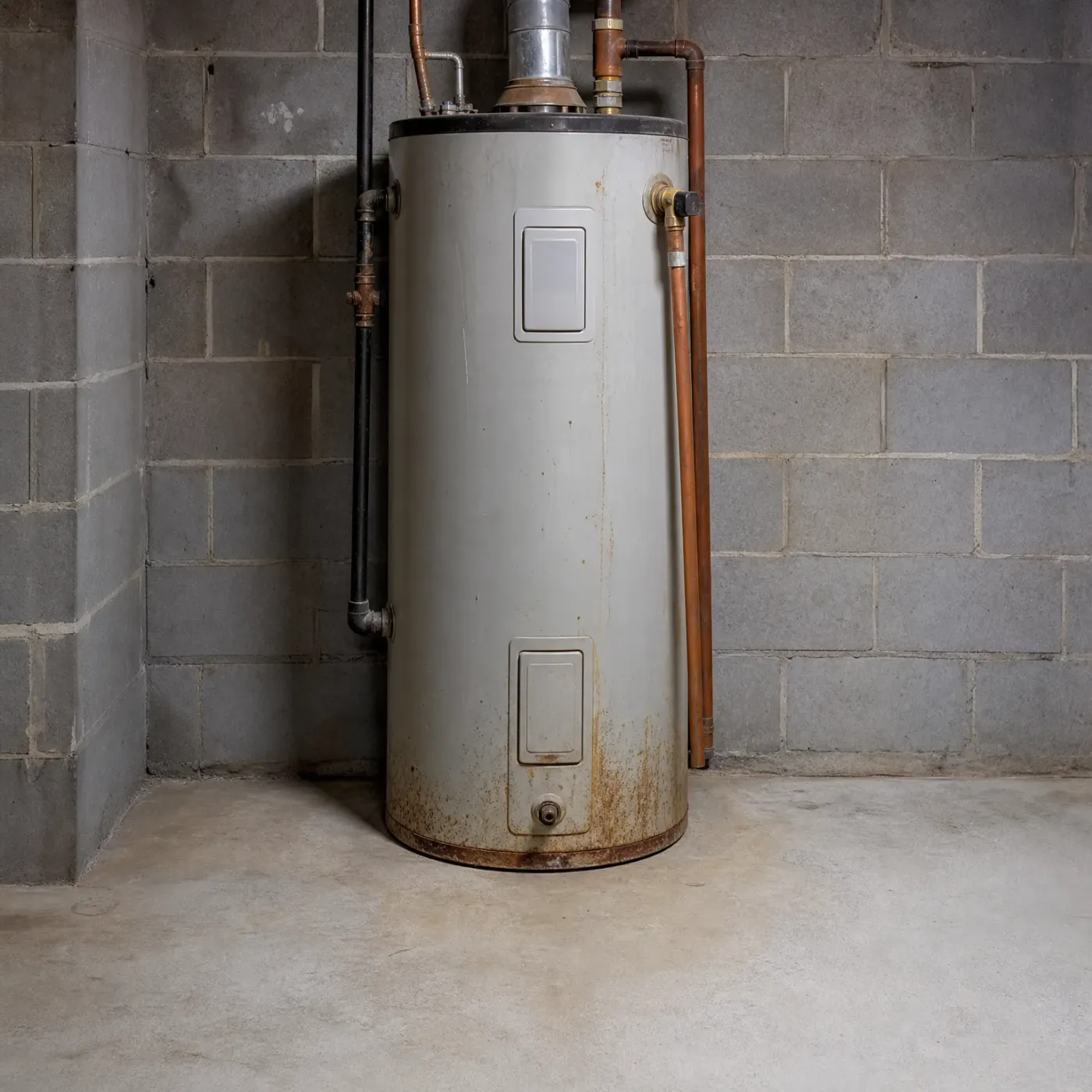
Rust along the seams or around the base means the tank is corroding from the inside. Most electric water heaters here last a set number of years before this starts, and once it does, capacity drops and recovery slows well before the tank fails outright.
2.23 people per household on average
Most homes here average 2.23 people. A tank sized for a smaller household years back gets outpaced once more showers, more laundry, and more dishes run through it every day.
Half the homes here were built by 1999
Half the homes in Travis County were built in 1999 or earlier. A tank that came with a house that age is working harder than it did when it was new, and may be due for more than a quick fix.
56.8% of homes heat with electricity
Electricity heats 56.8% of homes here, more than any other fuel. An electric tank that's lost one of its two elements will still run, just slower, and that's often what feels like running out fast.
ACS 2020-2024
An electric tank runs on one or two heating elements screwed into the side of the tank. When the lower element fails, the top few inches of water still heat, so you get a few minutes of warmth before it turns cold. When the upper element fails, the whole tank runs cooler than it should, and recovery between uses gets slow. Sediment on the bottom of the tank makes the lower element work harder and can burn it out early. A contractor can test each element with a multimeter in a few minutes and knows which one tends to go first on tanks that have sat a few years without being flushed.
Every electric tank has a thermostat for each element, mounted against the tank wall under an access panel. If the thermostat drifts or loses contact with the tank, it shuts off the element before the water reaches the set temperature, so the tank runs most of the day at a lower heat than it's set to. That shows up as water that starts warm and fades fast, not water that never heats at all. It looks like a sizing problem but isn't one. Someone who works on these tanks regularly can tell the difference by checking the temperature at the tap against what the thermostat is set to.




A short hot water supply is almost always a part that's quit doing its job, not a tank that's too small for the house. An element that's stopped heating, a thermostat reading wrong, sediment sitting between the burner and the water above it. Someone who works on tanks all summer in this heat and humidity has seen which of those fails first in a given brand and age, usually within a few minutes of looking at it. That's not a guess you can make standing in your kitchen. Send the request and it goes to one licensed contractor working in the Austin area, not a handful of companies competing for the job. You stop being the one who has to track down who's available and who knows what they're doing. The part gets found, not just the symptom, so you're not back here again in a few months with the same cold shower.
A short tank means somebody in the house is planning around it. Showers get scheduled early, dishes wait until morning, and the last person to wash up gets whatever heat is left.
That's not a house working right, it's a house working around a part that needs replacing. Fix the element or thermostat and nobody has to go first anymore.
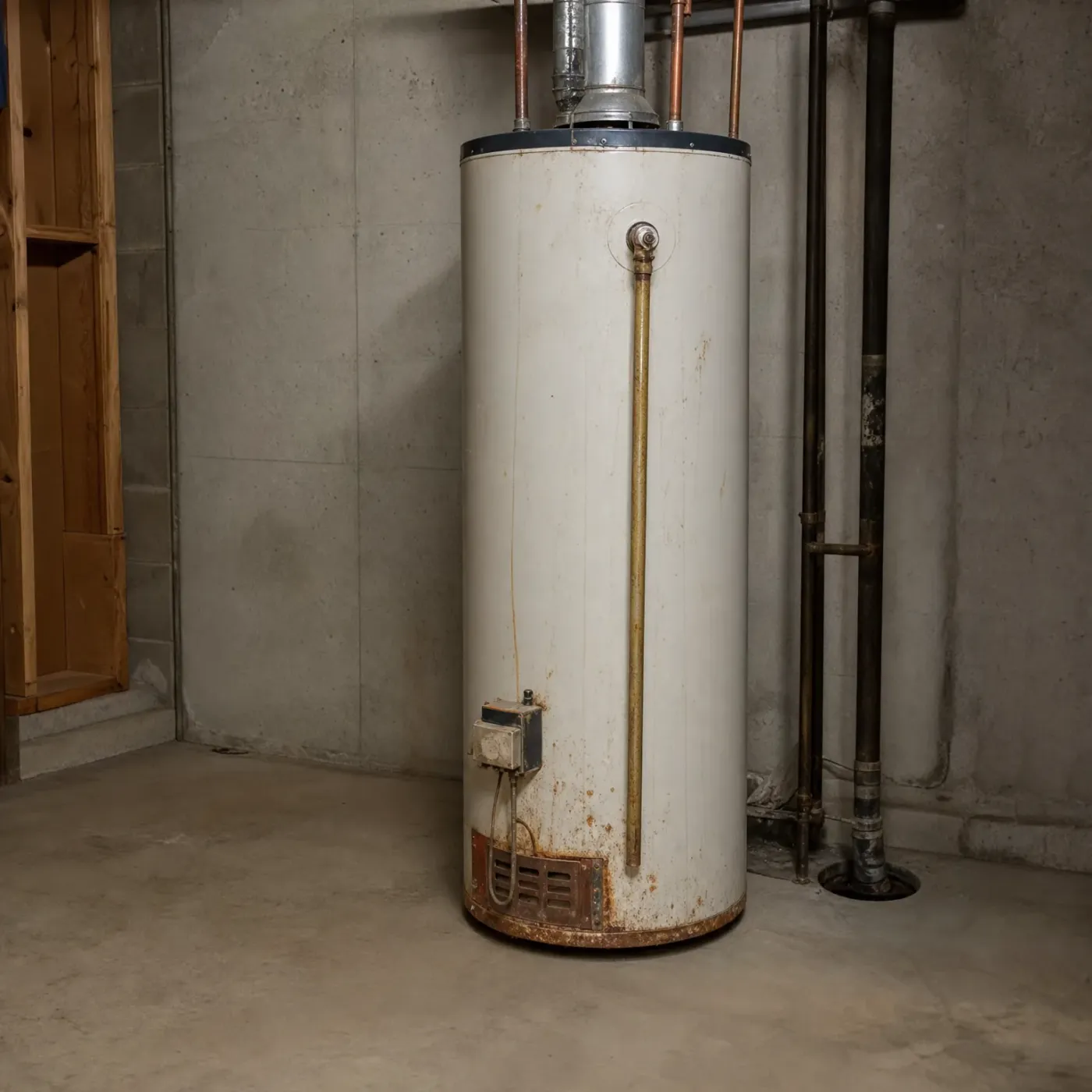
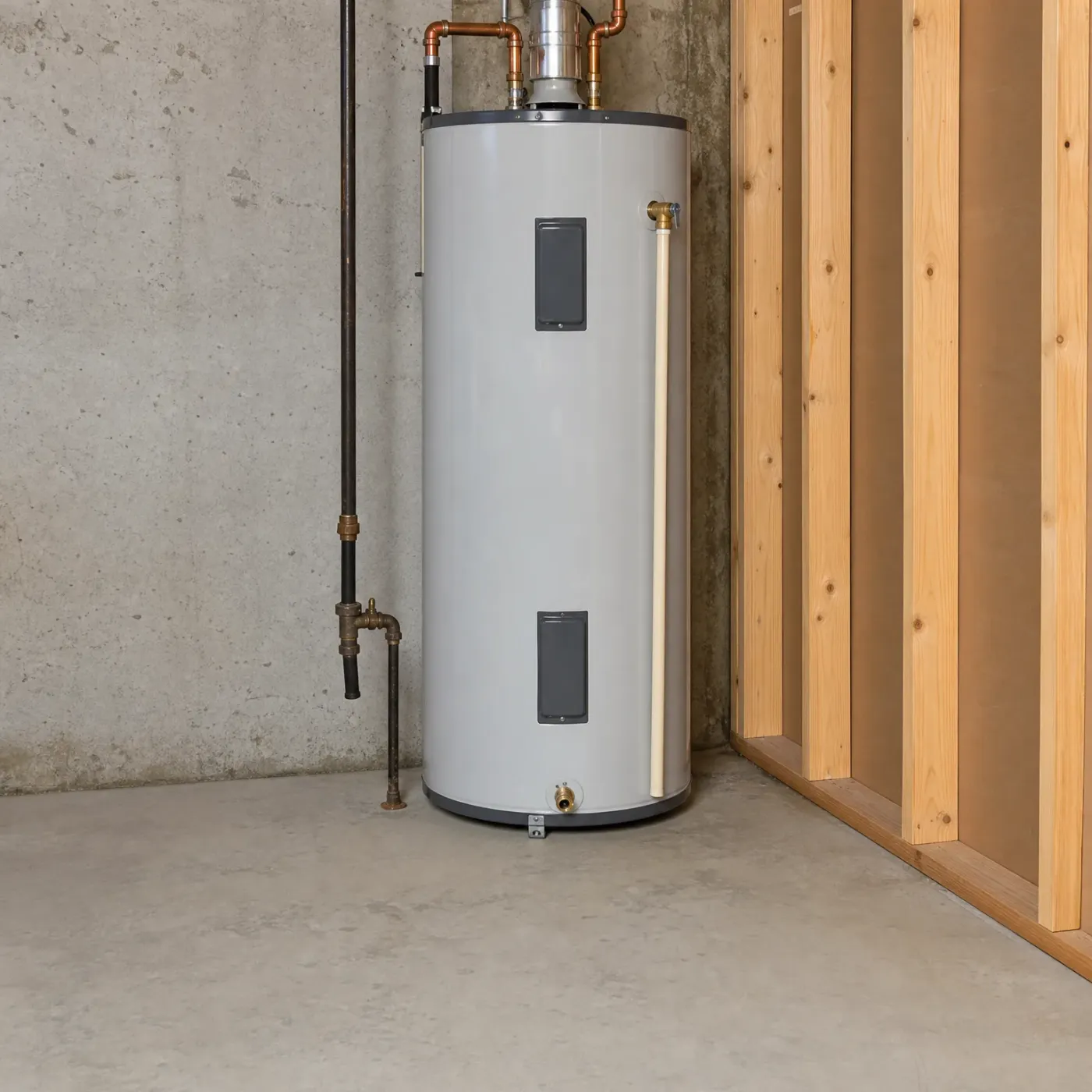
Go put your hand on the tank. If it's warm all over instead of just at the top, or if there's a puddle or rust streaks near the base, that's not normal wear. Listen for a low rumble or popping sound when it's heating, that's sediment sitting on the burner or wrapped around the lower element, and it's part of why the hot water doesn't last. Check the breaker too. One that keeps tripping means an element is drawing more power than it should. None of this fixes itself, and left alone, a struggling element or a cracked tank can mean a bigger mess on the floor than a cold shower.
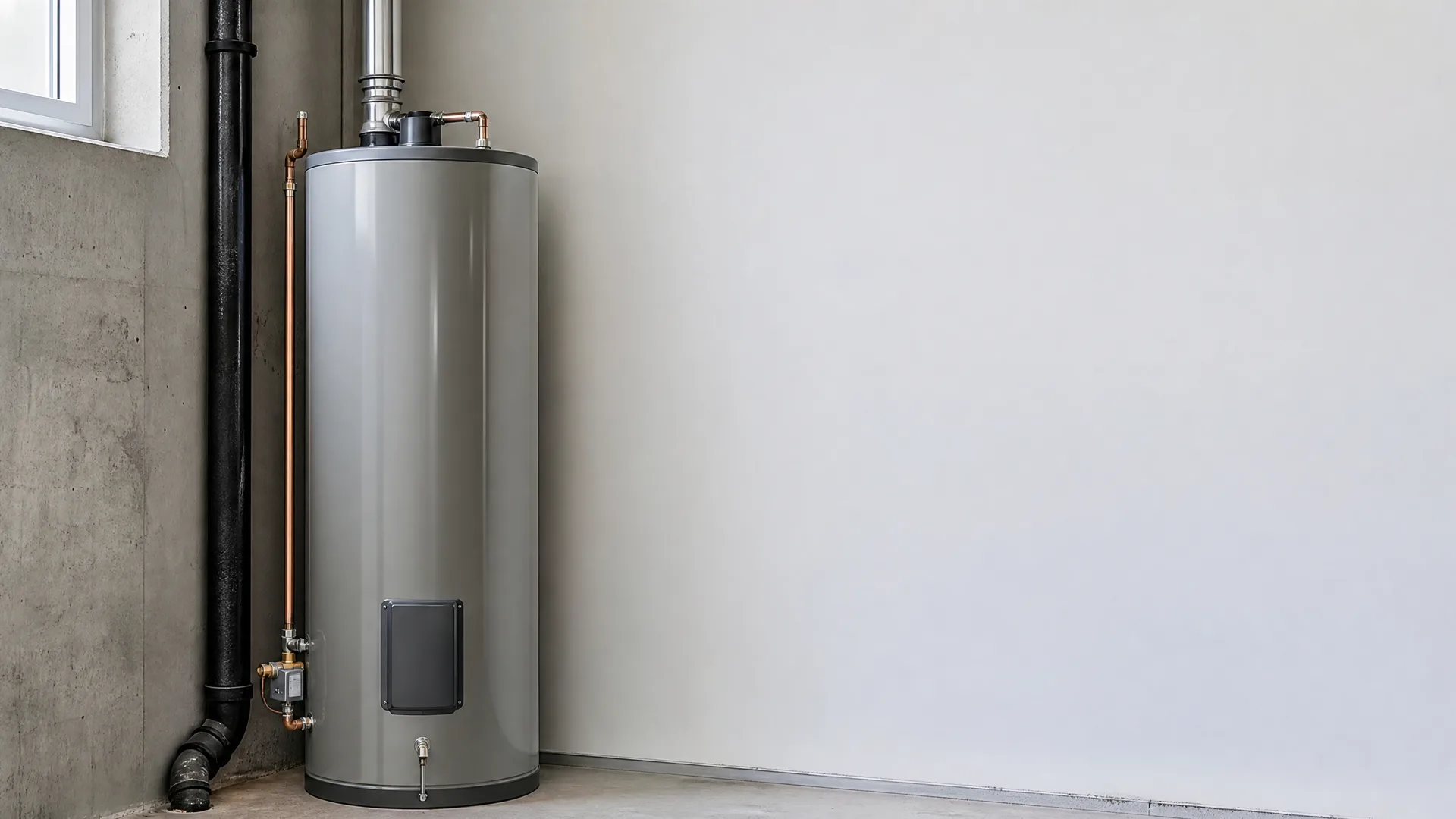
A gas water heater heats from a burner underneath the tank. Sediment settles right there, between the flame and the water above it, and it has to heat through that layer before it reaches you. A thin layer slows recovery. A thick one can scorch and crack, and the tank starts leaking at the base. That's the popping and rumbling sound some gas tanks make as they age.
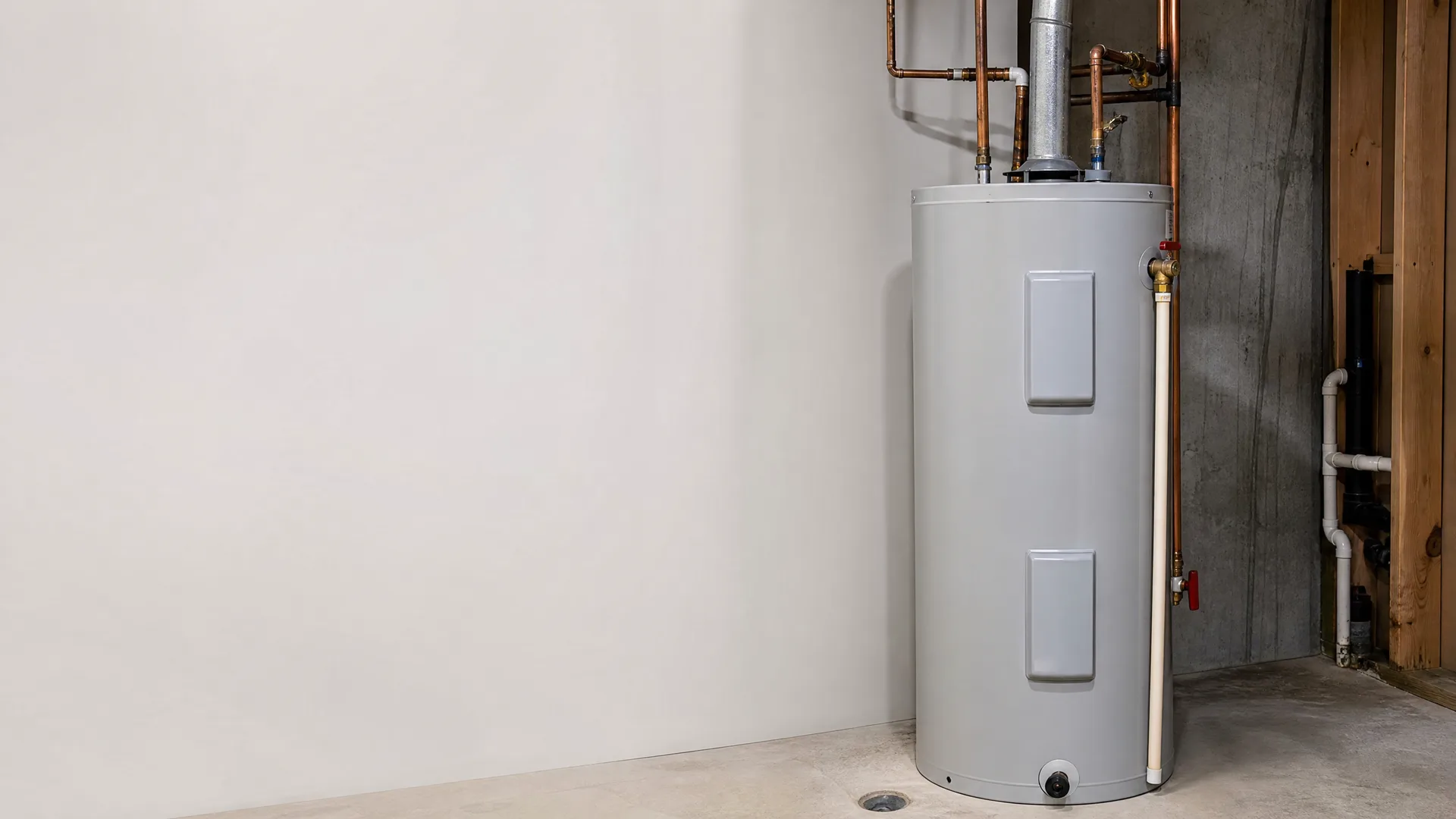
An electric water heater heats from one or two elements mounted inside the tank, not underneath it. Sediment buildup matters less for recovery speed, but a failed element still cuts your hot water short the same way. Most homes around Austin run electric, since power here is cheap and winters don't call for gas heat. Either fuel runs out of hot water the same way: something inside has stopped doing its job.
At 13.43 cents per kilowatt-hour, running an electric water heater here doesn't cost much to begin with. So when a tank is coming up short, the fix usually isn't about cutting back on hot water to save money. It's about getting the part that failed back to working.
EIA-861 2025
A contractor checks the thermostat settings and power to the tank
The upper and lower heating elements get tested for continuity
A failed element or thermostat gets pulled and replaced
The tank gets flushed if sediment is slowing recovery
A tank that runs out fast isn't telling you to use less hot water. It's telling you a part failed and needs to be checked. An element that quit, a thermostat reading wrong, sediment sitting where the burner's heat should reach the water first. Any one of those turns a tank that used to carry the whole house into one that taps out halfway through. The fix is the same either way: someone who works on these tanks every week tests the elements, checks the thermostat, and flushes the sediment if that's what's slowing recovery. A licensed local contractor can take a look and tell you which part it is. Once that part is replaced, the tank goes back to heating on its normal cycle and refilling fast enough that nobody in the house has to plan around it.


Stop chasing a water heater pro
A licensed pro who works in Travis County gets your request.