

Tank Working Right
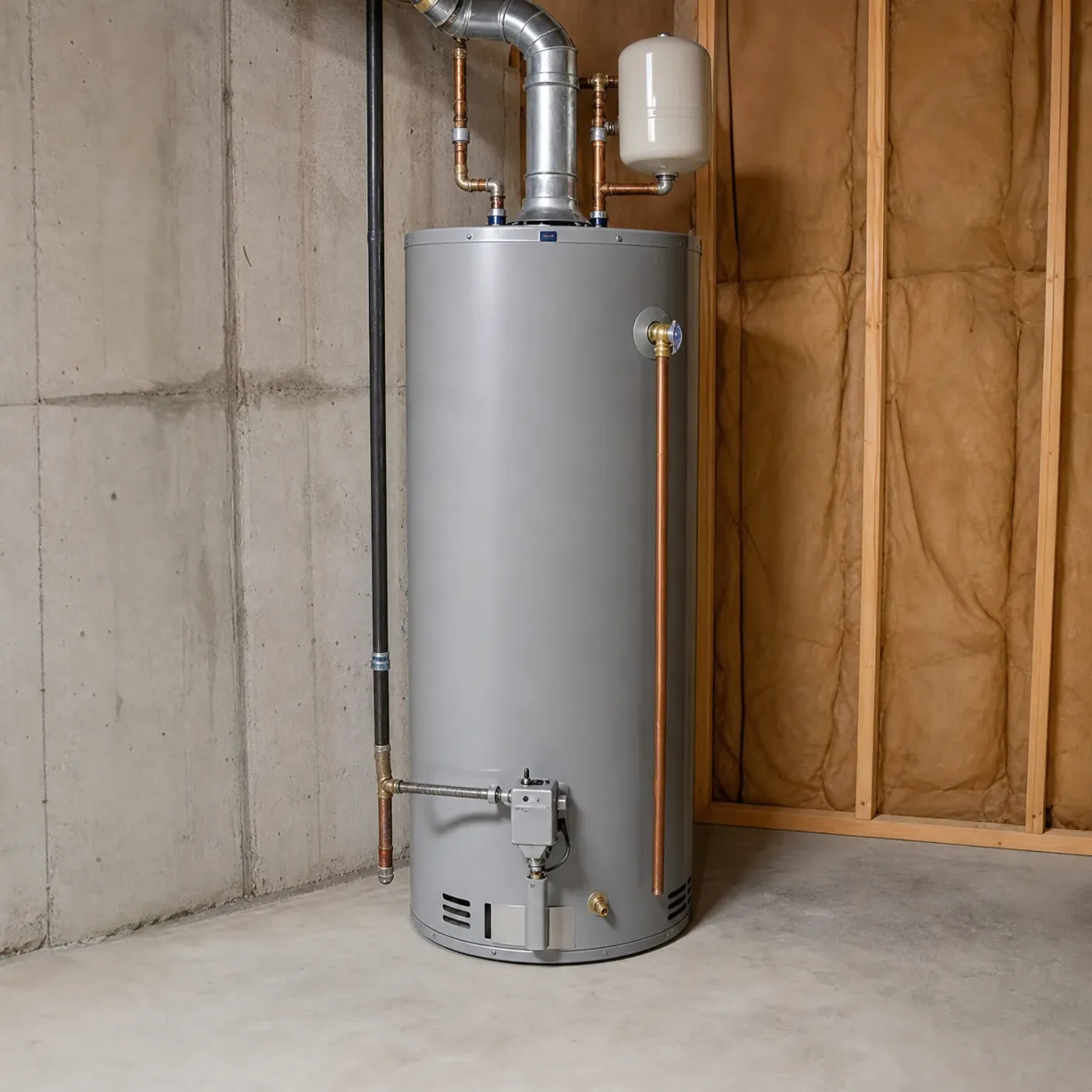
Both elements are heating, top and bottom, so the whole tank holds hot water instead of just the top third. The piping stays tight and dry, the relief valve sits ready, and the water stays hot from the first shower to the last.
Running out of hot water partway through a shower gets old fast, especially with electric rates here staying reasonable and no real reason the tank shouldn't keep up. Something is off with the unit, whether that's a heating element that quit doing its share of the work or a tank that can't hold what it used to. Figuring out which one means getting a contractor out to look at it, and that part is usually the slow part: searching around, calling a few places, explaining the same problem on the phone three or four times, then trying to line up quotes that don't even cover the same work. You can skip that. Tell us what's going on with your water heater and you'll be matched with a contractor in the McAllen area who takes on jobs like yours, and they'll reach out to you directly. No more sorting through names you don't recognize or waiting on callbacks that don't come.
A tank that runs out fast usually has one working heating element instead of two. Electric water heaters have an upper and a lower element, and when the lower one fails, the tank only heats the top third of the water. You get a few minutes of hot water, then cold, because the rest of the tank never warmed up. Sediment buildup causes the same thing from a different angle: it settles on the bottom of the tank, sits between the lower element and the water, and keeps that element from heating properly even when it's still working. Either way, the tank itself is probably fine size-wise. It's not that your household suddenly needs more hot water than a standard tank holds. It's that the tank isn't using all the capacity it has. A technician can test each element and check for sediment to find out which one is going on in your tank.




You turn the shower on and it starts hot, then goes lukewarm before you're done rinsing. Maybe it happens to whoever showers second, or third, every time now instead of once in a while. You might notice the water heater running more than it used to, or a breaker that trips when it didn't before. None of this is about how many people live in the house or how long anyone showers. It's the tank doing half the job it used to. Left alone, the working element carries all the load by itself, which wears it down faster, and you're stuck timing showers around a tank that used to keep up without you thinking about it.
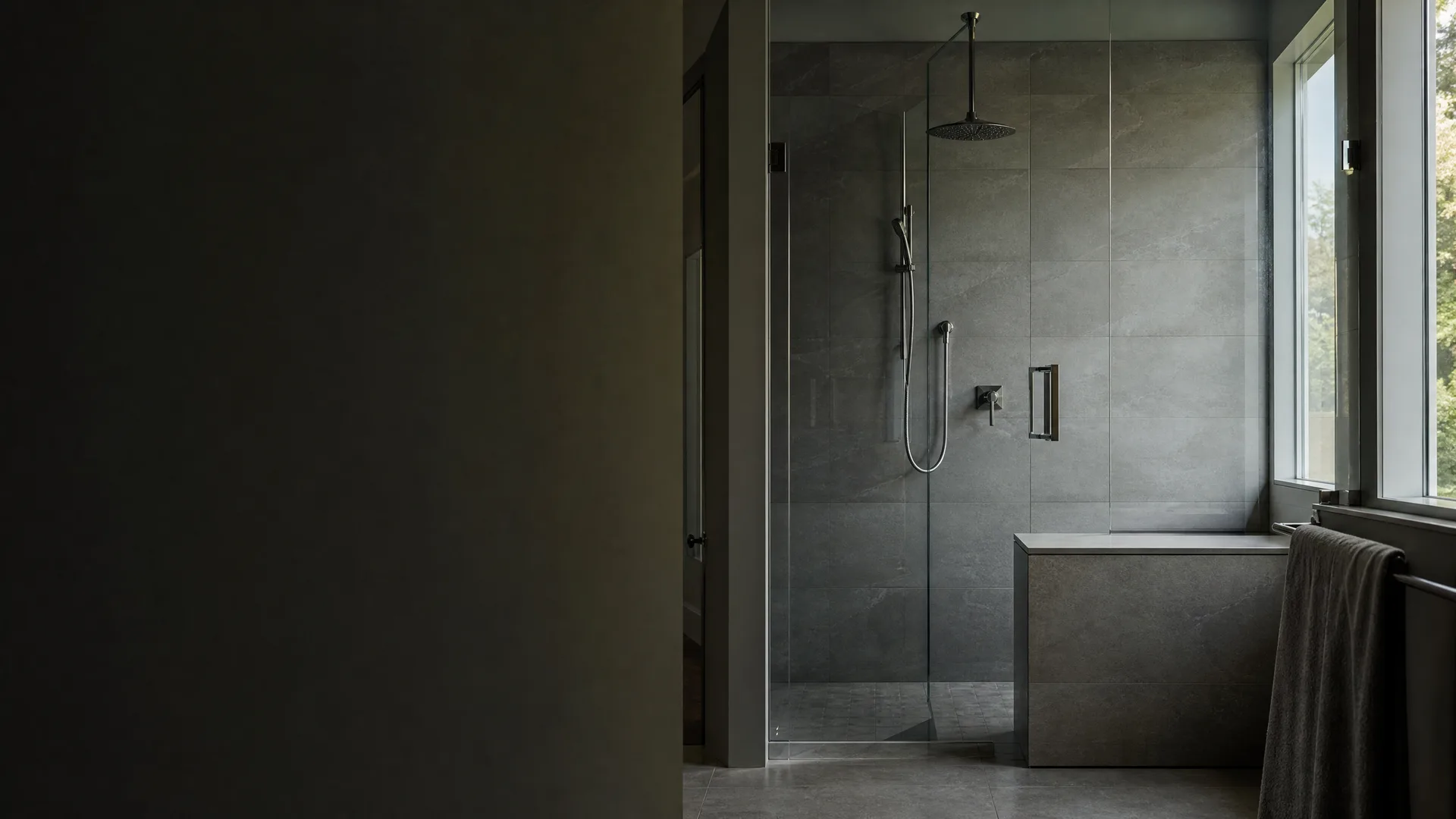
You get in second, after your spouse. It's just past seven, a Tuesday, and you've got a meeting at nine. The water's warm for maybe a minute, then it slides to lukewarm, then cold enough that you shut it off and stand there. No steam on the mirror this time, not like it used to be. The towel's still hanging dry on the rail where you left it. You turn the handle back and forth like that will do something, then give up and rinse the shampoo out fast, shivering a little in the air conditioning. Out in Hidalgo County summers run hot enough that the bathroom never feels cold, except right now, standing wet with the water off.
Skip calling shops to ask who repairs water heaters in Hidalgo County.
It costs nothing to send, and you don't have to hire anyone.
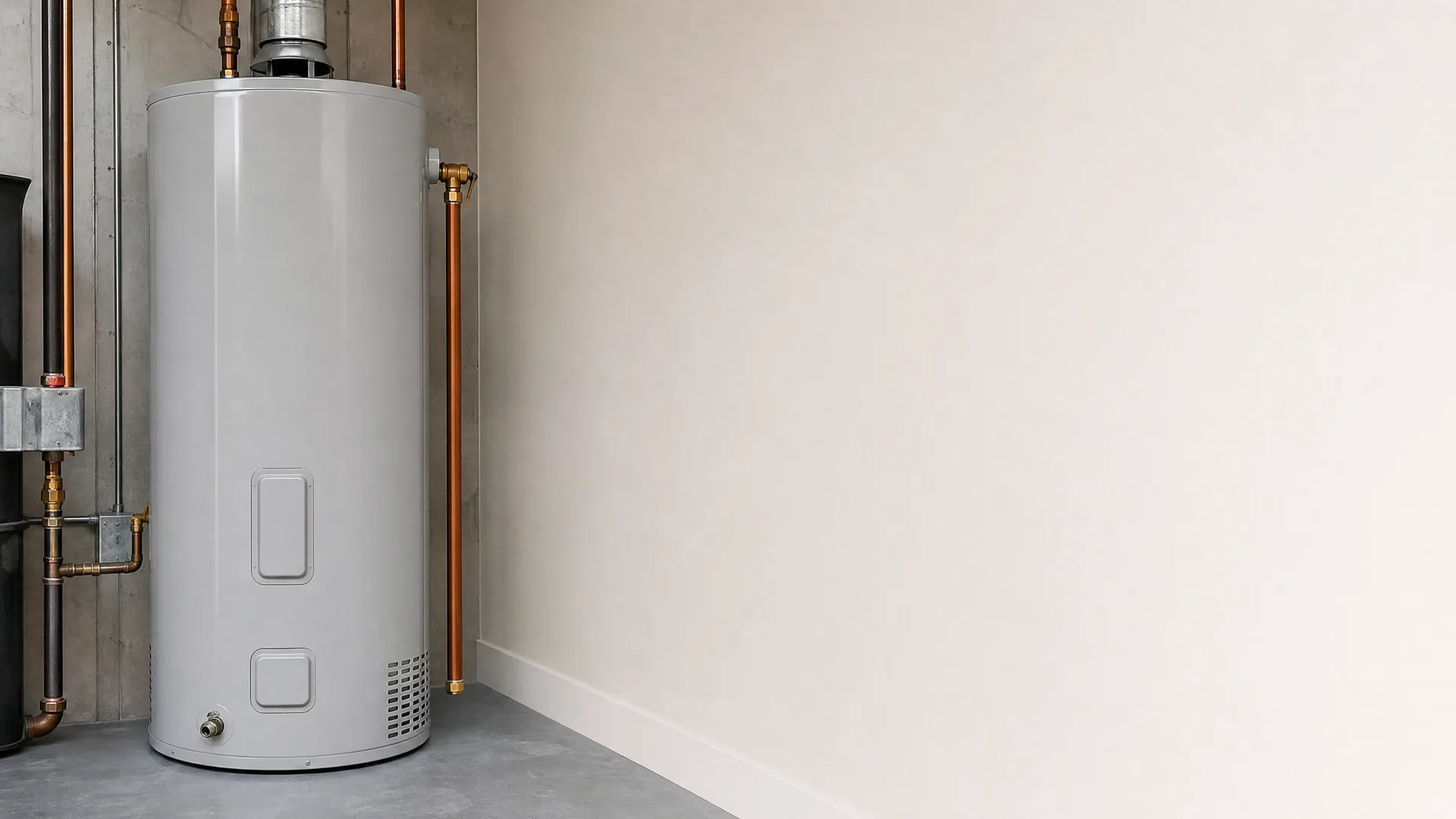
Each element has its own thermostat mounted against the tank wall. The upper thermostat calls for heat first, and once that section reaches temperature, it hands off to the lower one. If the lower thermostat has failed or lost contact with the tank, the lower element never fires at all, no matter how hot the top of the tank gets. A contractor checks both thermostats along with the elements, since a bad thermostat can look exactly like a burned-out element from where you're standing.
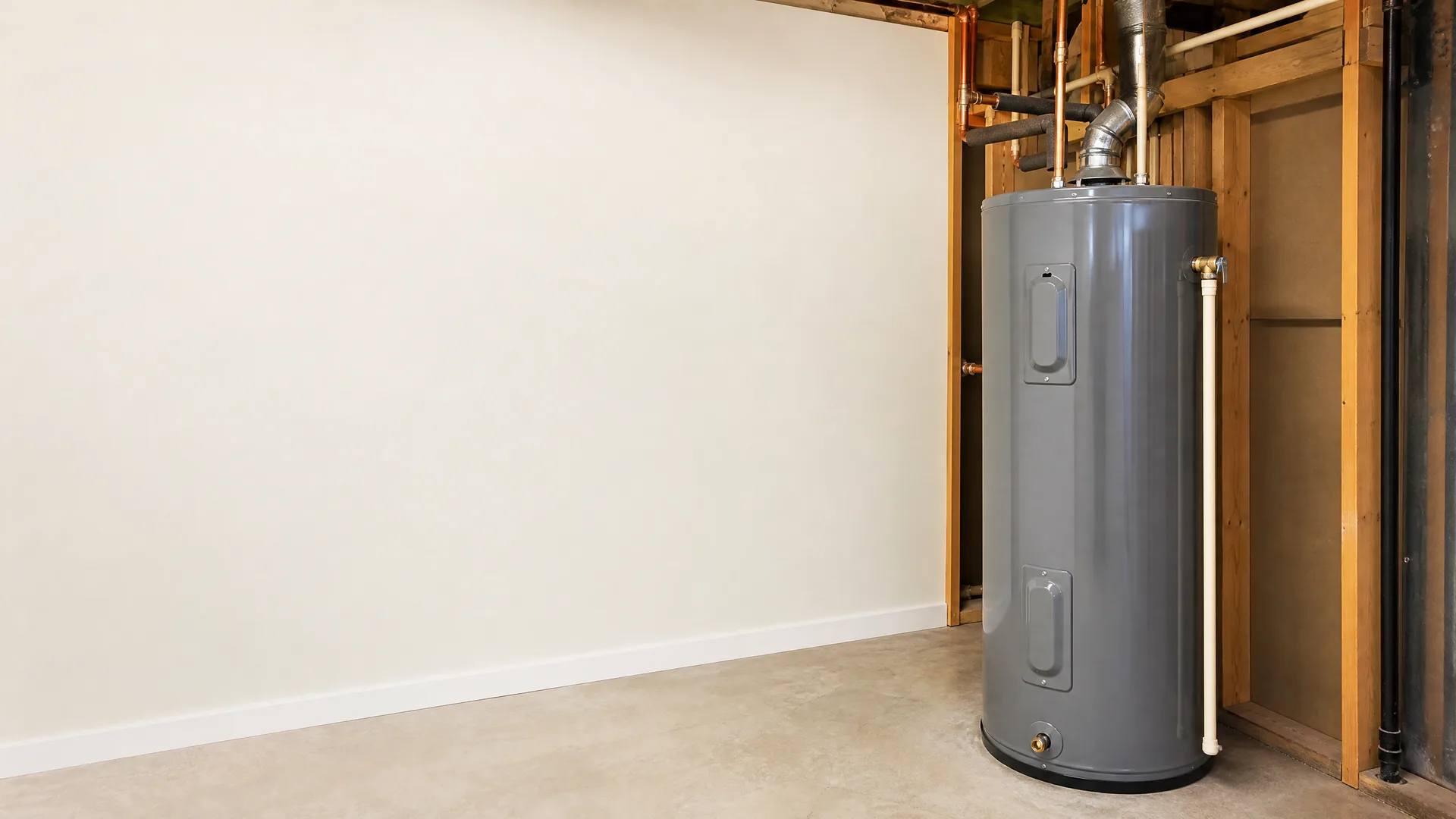
Hidalgo County water leaves mineral buildup at the bottom of a tank over time, and that layer sits right where the lower element has to do its work. A lower element buried under sediment heats slower, trips its high-limit switch more often, and fails sooner than it should. Flushing the tank doesn't fix a dead element, but it's often part of the same visit, since a contractor replacing the lower element has the drain valve open anyway.
With close to four people in most households here, hot water gets used back to back most mornings, not one shower spaced out over an hour. One dead element and a tank that only heats the top third shows up fast when the next person is already waiting on it.
ACS 2020-2024
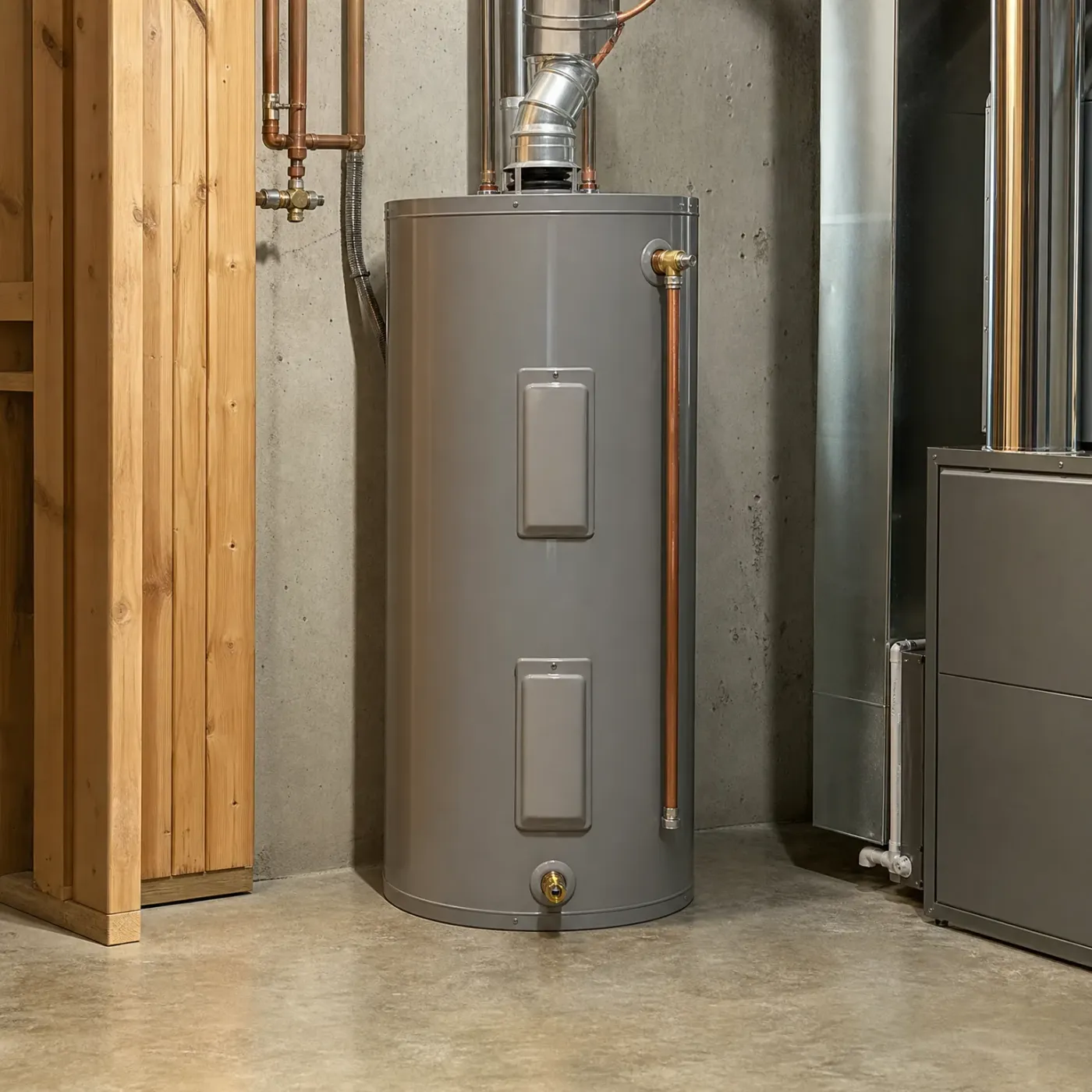
Both elements are heating, top and bottom, so the whole tank holds hot water instead of just the top third. The piping stays tight and dry, the relief valve sits ready, and the water stays hot from the first shower to the last.
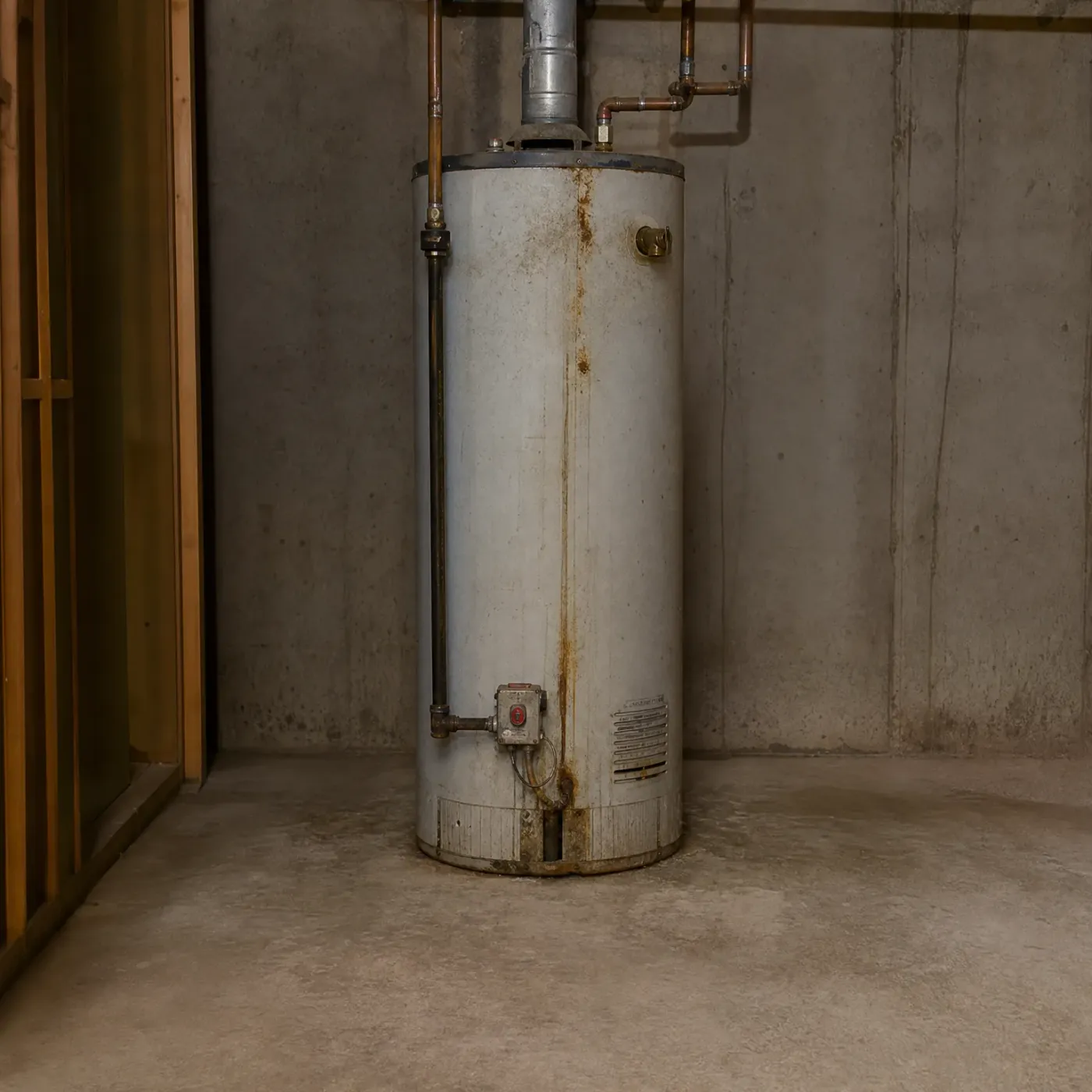
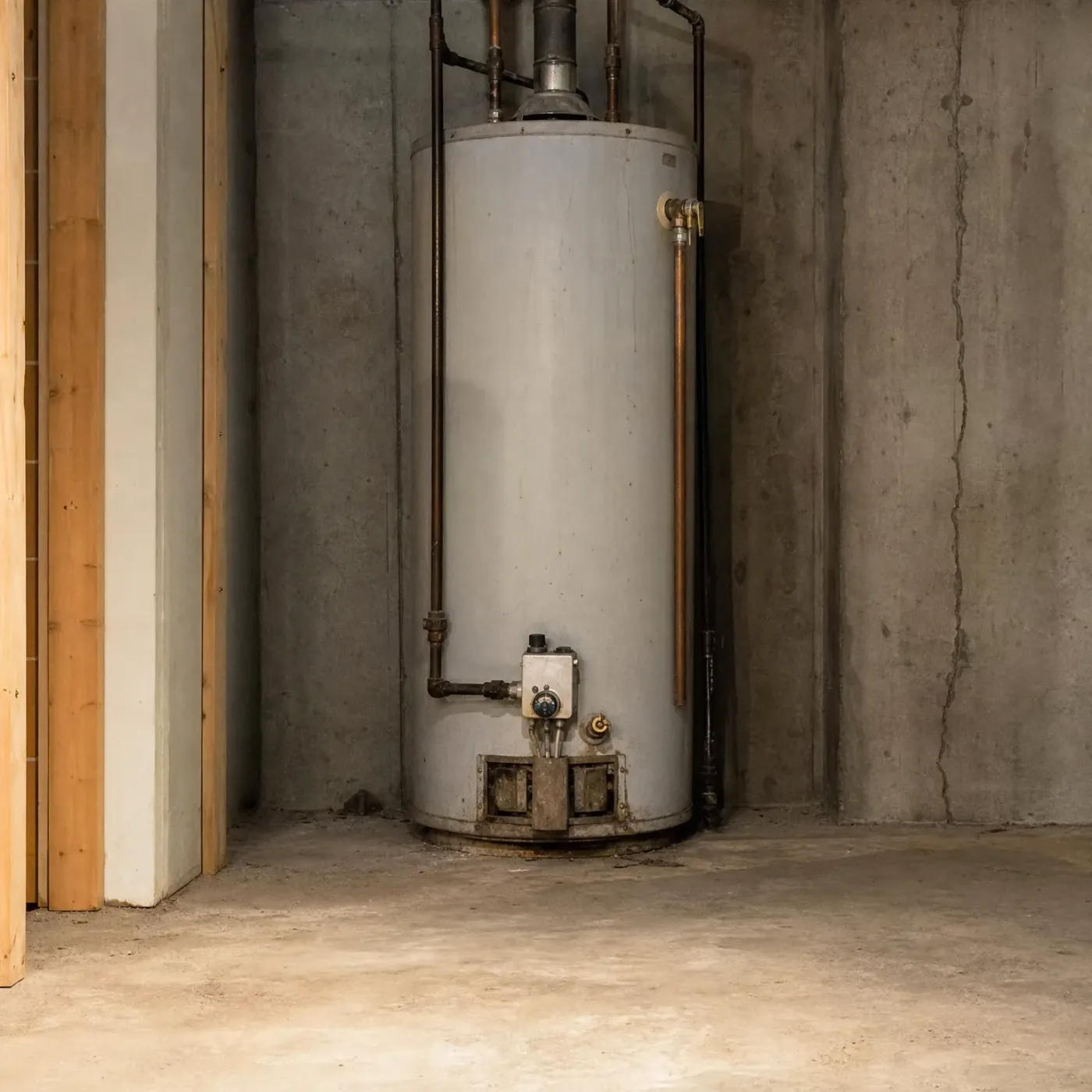
Rust like this on the tank and fittings points to a leak that's been sitting there a while, not a dead element. Once the steel itself is corroding, a contractor is looking at the whole unit, not a part inside it.


The hot water runs out fast for one reason in most houses here: the lower heating element quit working, and the tank is only heating the top third or so of what it holds. That's it. It's not the tank's age, and it's not the size of the tank you have, assuming it matched your household before this started. A contractor can test the upper and lower elements along with their thermostats and tell you which one failed and why, before anything gets swapped out.
This matters more in a full house. Three or four people showering back to back before work and school will hit the end of a half-heated tank a lot sooner than one person showering alone at 10am. If mornings in your house are already tight, a dead lower element turns a fast shower into cold water and a bad start to the day.
Once you know it's the element, the fix is the same regardless of who does it. What's different is what you skip. No calling three companies and repeating the same story about lukewarm showers to each one. No guessing which part to buy before anyone's actually looked at the tank. Getting matched with a contractor means someone who already knows what you're dealing with reaches out, and you start at the diagnosis instead of back at square one explaining it again.
Explain the water heater problem once instead of to every shop in Hidalgo County.