How often to flush a water heater in Fort Worth, TX

Send the form, and lining up the water heater tune-up stops being yours to chase.

Hand it off

Flush your water heater once a year in Fort Worth. Tarrant County water runs hard, and the minerals in it settle to the bottom of the tank as sediment. That layer builds up between the burner or the heating element and the water above it, so the unit has to work harder to get the water hot. Left alone for years, that sediment turns to a crust that can drown out the burner, cause popping and rumbling noises, and wear away at the tank itself until it leaks. An annual flush clears it out before it causes any of that. If your water heater is electric, which most homes here run on, sediment can also build up around the lower element and burn it out early. A yearly flush keeps the tank working the way it did when it was new and keeps it running the right number of years instead of fewer.

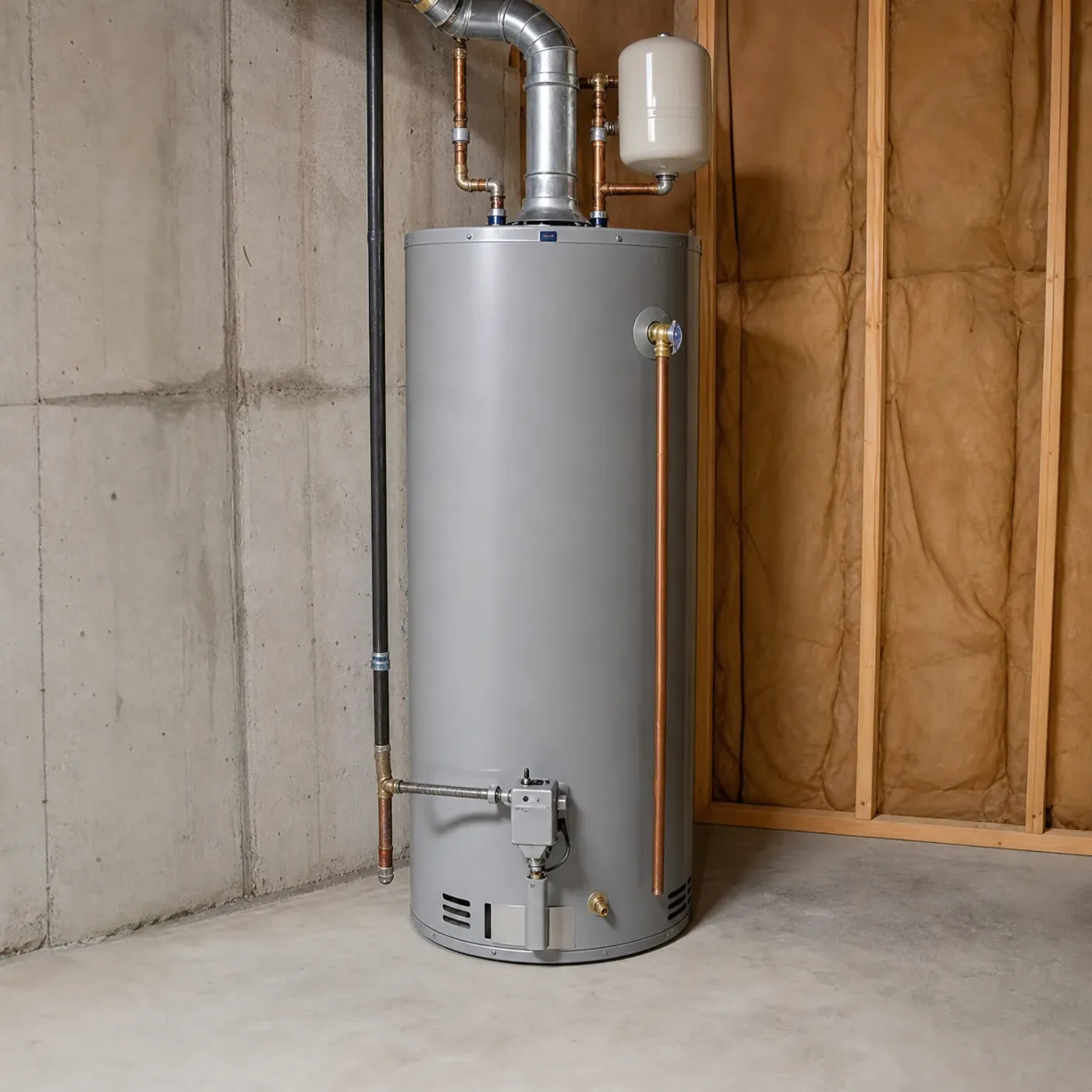
A tall cylindrical water heater with copper and brass piping stands in the corner of a room with a plain wall, wood framing and pipes behind it, and a concrete floor.

What sediment does inside the tank

Sediment sits at the bottom of the tank and acts like a blanket between the heat source and the water. A gas unit has to run the burner longer to push heat through that layer. An electric unit's lower element can end up buried in it, working harder and wearing out sooner. Either way, the tank uses more power to do the same job, and in Tarrant County that power costs more than in most places.

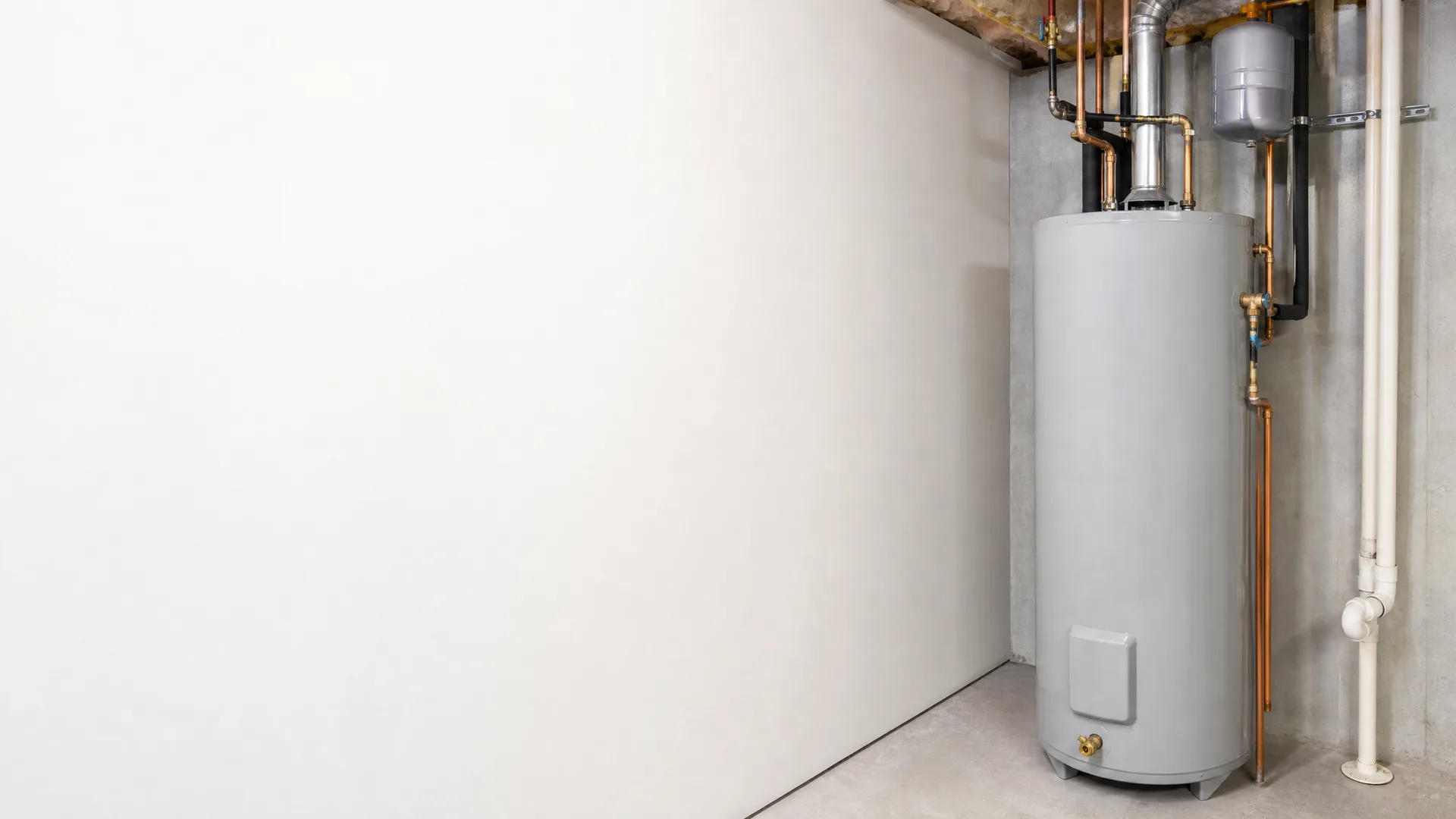
A gray cylindrical water heater stands in the corner of a bare room with copper and metal pipes, an expansion tank, and a vent running up to the ceiling beside a plain white wall.

What a yearly flush checks

A flush drains the tank through the valve at the bottom and clears out what has settled since the last one. If the water runs cloudy or gritty at first and clears up, that is the sediment coming out. If it stays cloudy or comes out in chunks, the buildup has likely gone past what a yearly flush is meant to catch, and the tank should be looked at sooner than next year.

Is your water heater working harder than it used to?

You might hear it before you can explain it. A popping or rumbling sound from the tank as it heats, caused by water trapping under that sediment layer and working its way out. Hot water that runs out faster than it used to, because sediment is taking up space that used to hold water. A gas unit's burner staying on longer than it should. An electric unit tripping its reset more than once. None of this means the tank is failing. It means it's working around a layer it shouldn't have to. Left alone, that layer hardens, and the tank corrodes from underneath it years before it should.

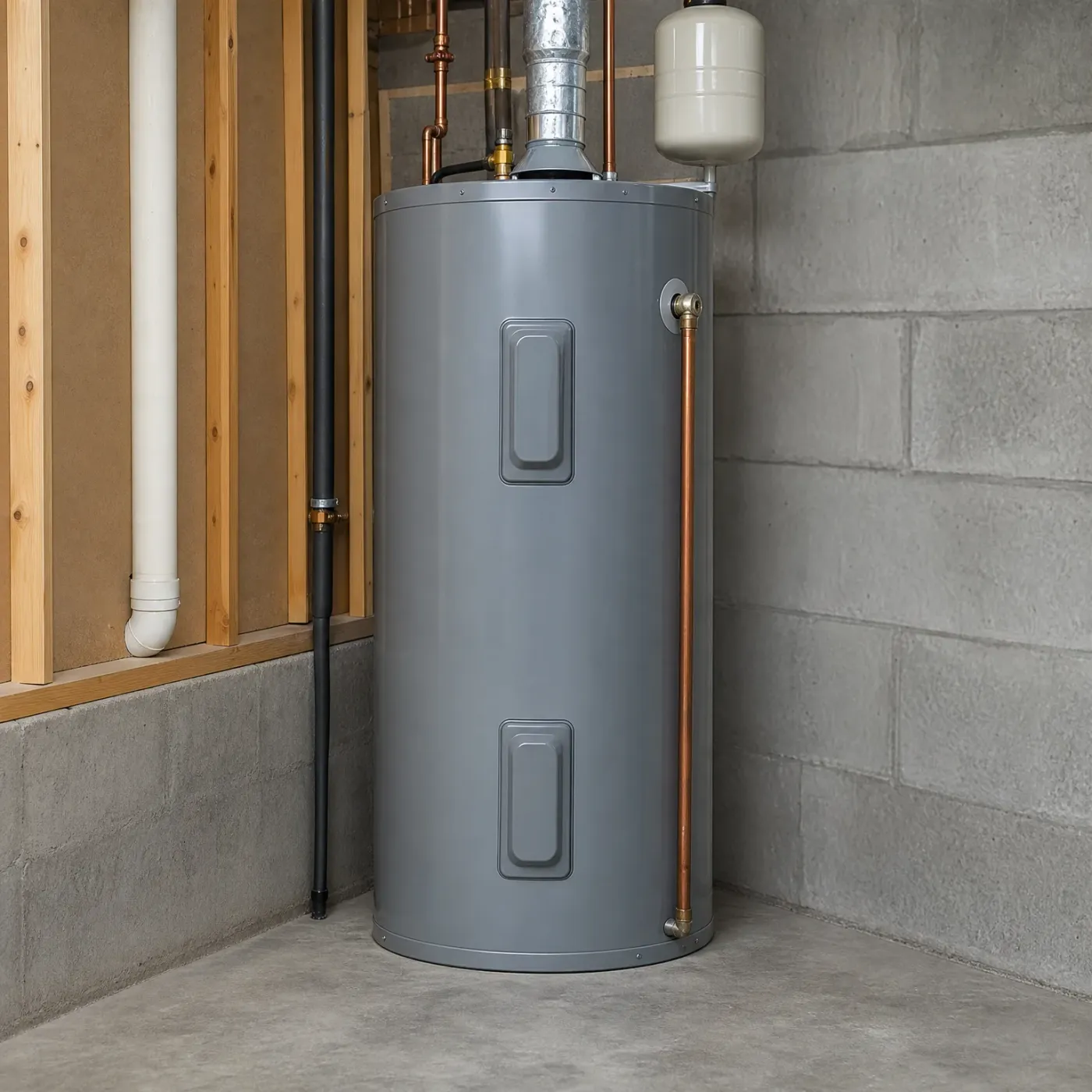
A gray cylindrical water heater with copper piping and an expansion tank stands in a basement corner beside a concrete block wall and exposed wood framing.

Flushed on schedule

This is what a tank looks like when sediment gets cleared out once a year. The copper lines run clean, the expansion tank above it is doing its job, and the unit underneath has an easy time heating the water that moves through it.
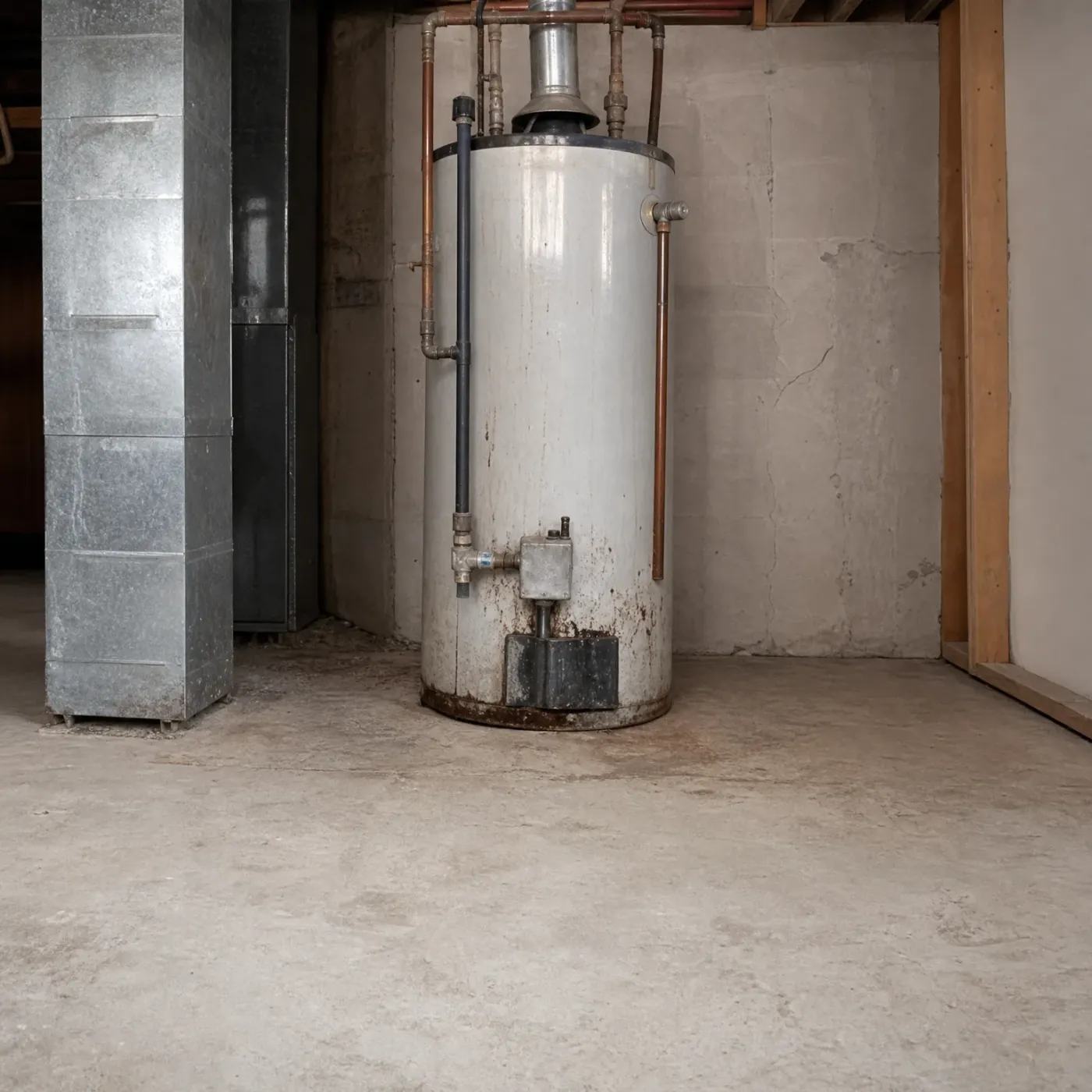

An old rusting cylindrical gas water heater with copper and steel pipes and a flue stands against a concrete basement wall beside metal ductwork on a bare concrete floor.

Years without a flush

This is what Tarrant County water does to a tank left alone. Rust and mineral deposits cover the unit, built up year over year. By the time it looks like this, the tank has been working harder than it should for a long time.

A man in a navy sweater reclines in a leather armchair with his eyes closed and a slight smile, beside a side table with a mug and folded newspaper, in a room with a bookshelf and a sunlit window.
A bearded man in a navy robe over a gray shirt reclines with closed eyes in a brown leather armchair, with a houseplant, folded newspaper on a wooden table, and a bookshelf behind him.
A bearded man in a navy sweater reclines with closed eyes in a leather armchair beside a table holding a folded newspaper and a green mug, with a dresser, potted plants, a lamp and framed artwork behind him.
A man in a dark green sweatshirt reclines with his eyes closed and a slight smile in a brown leather armchair, with a window, table lamp, mug and newspaper beside him.

Flushed yearly

Sediment gets cleared before it builds a real layer. The tank heats water the way it was built to, and the burner or element isn't fighting a buildup to do its job.

Fill out one form

Never flushed

Sediment hardens year after year. The water above it takes longer to heat, the tank works harder than it should, and that layer only gets thicker from here.

Fill out one form

How much water heater do you need to flush?

  • 2.73 people per household on average

    With 2.73 people in the average Tarrant County household, most tanks here run daily and build sediment on a steady, predictable schedule.

  • Half the homes here were built by 1990

    Half the homes in Tarrant County were built in 1990 or earlier, which means half the water heaters in them have had decades to collect sediment if no one's flushed them.

  • 66.6% of homes heat with electricity

    66.6% of homes here heat water with electricity, and a sediment layer under an electric element forces it to work through buildup it was never designed for.

ACS 2020-2024

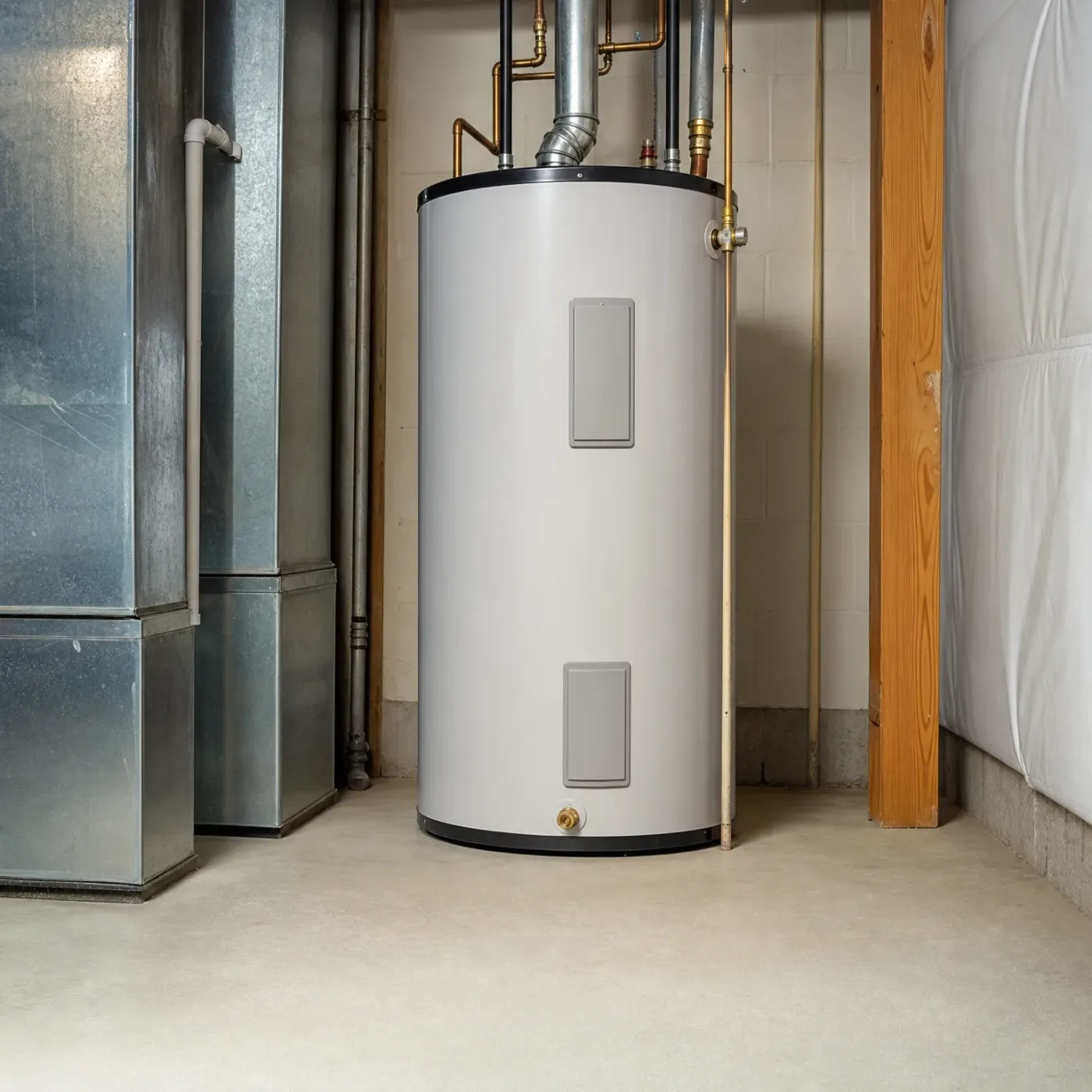
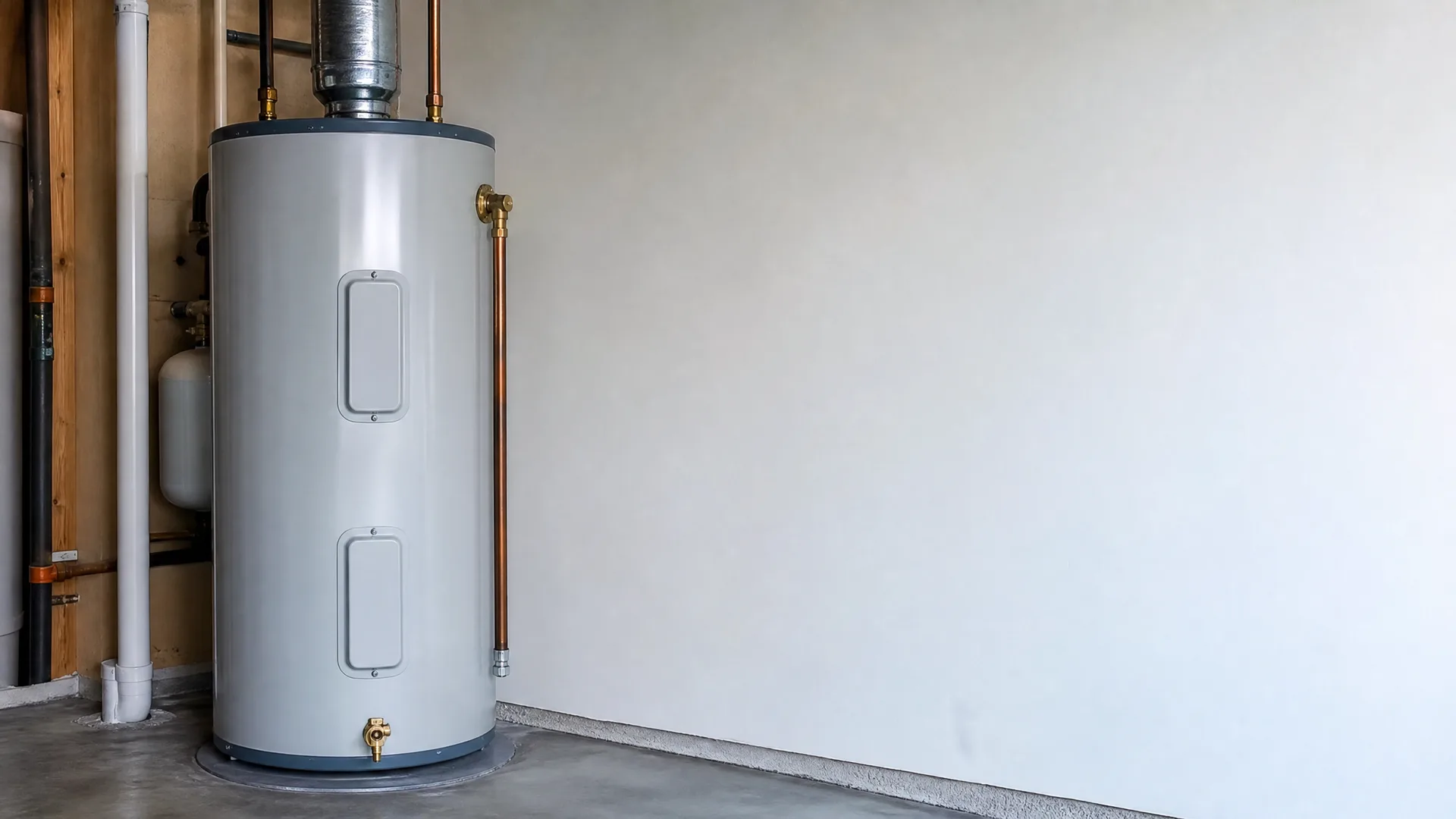
A white cylindrical water heater with two access panels stands on a concrete floor in a basement corner, beside galvanized ductwork, copper and metal pipes, a wooden post, and a concrete block wall.
The water heater keeps its access panels clear and the connections at the top stay dry and tight.
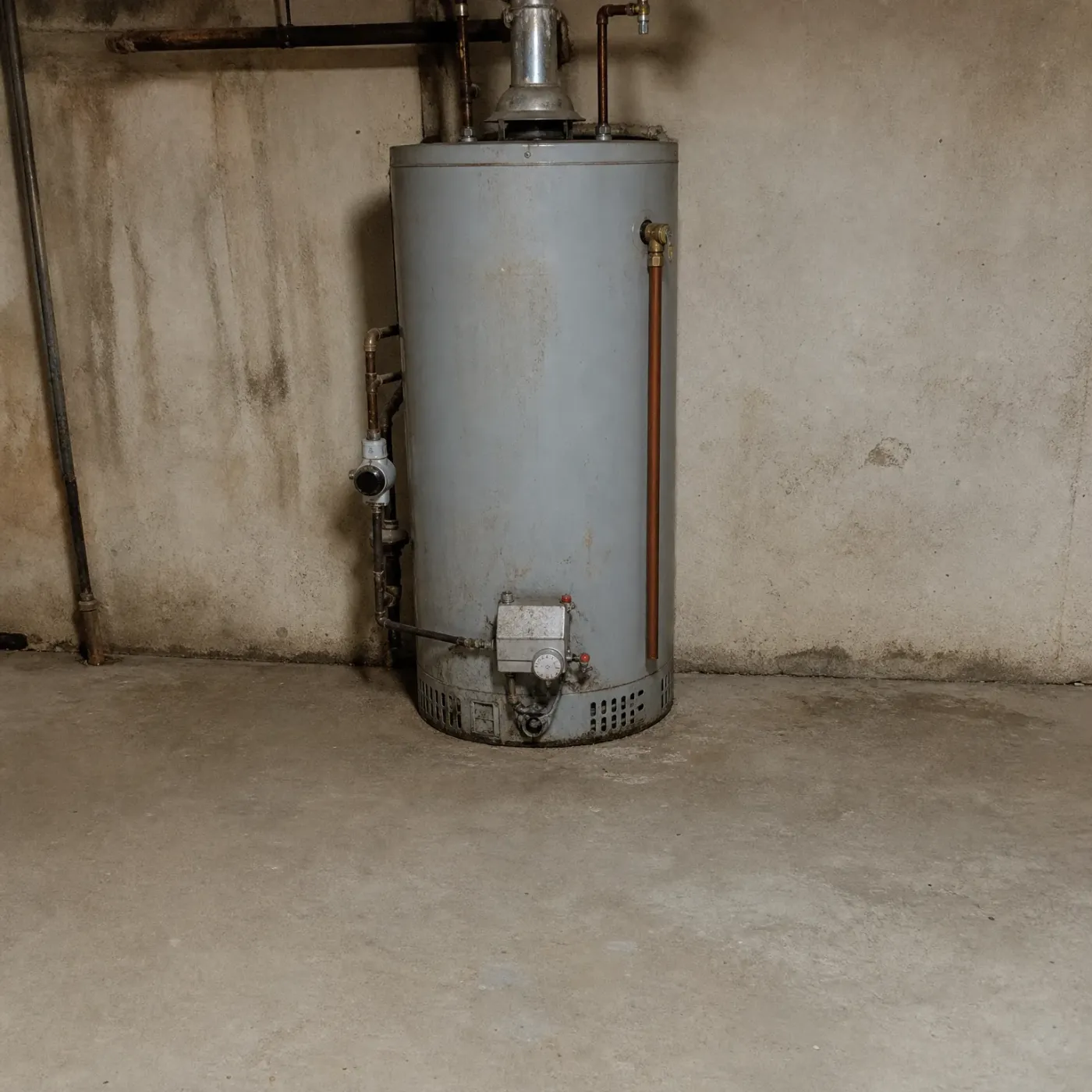
An older gray cylindrical gas water heater with copper and steel piping and a flue, standing on a concrete floor against a stained concrete wall.
The flue vent and pressure relief valve sit exposed on a tank left to run without a flush.
A gray-haired man in a blue quarter-zip sweater sits in an armchair with his eyes closed, beside a large window with bare trees outside and a potted plant and lamp nearby.
A woman in a cream knit sweater sits in an armchair indoors, eyes closed and smiling, beside a window showing yellow and orange autumn foliage, with a mug on a wooden side table and shelves holding vases behind her.
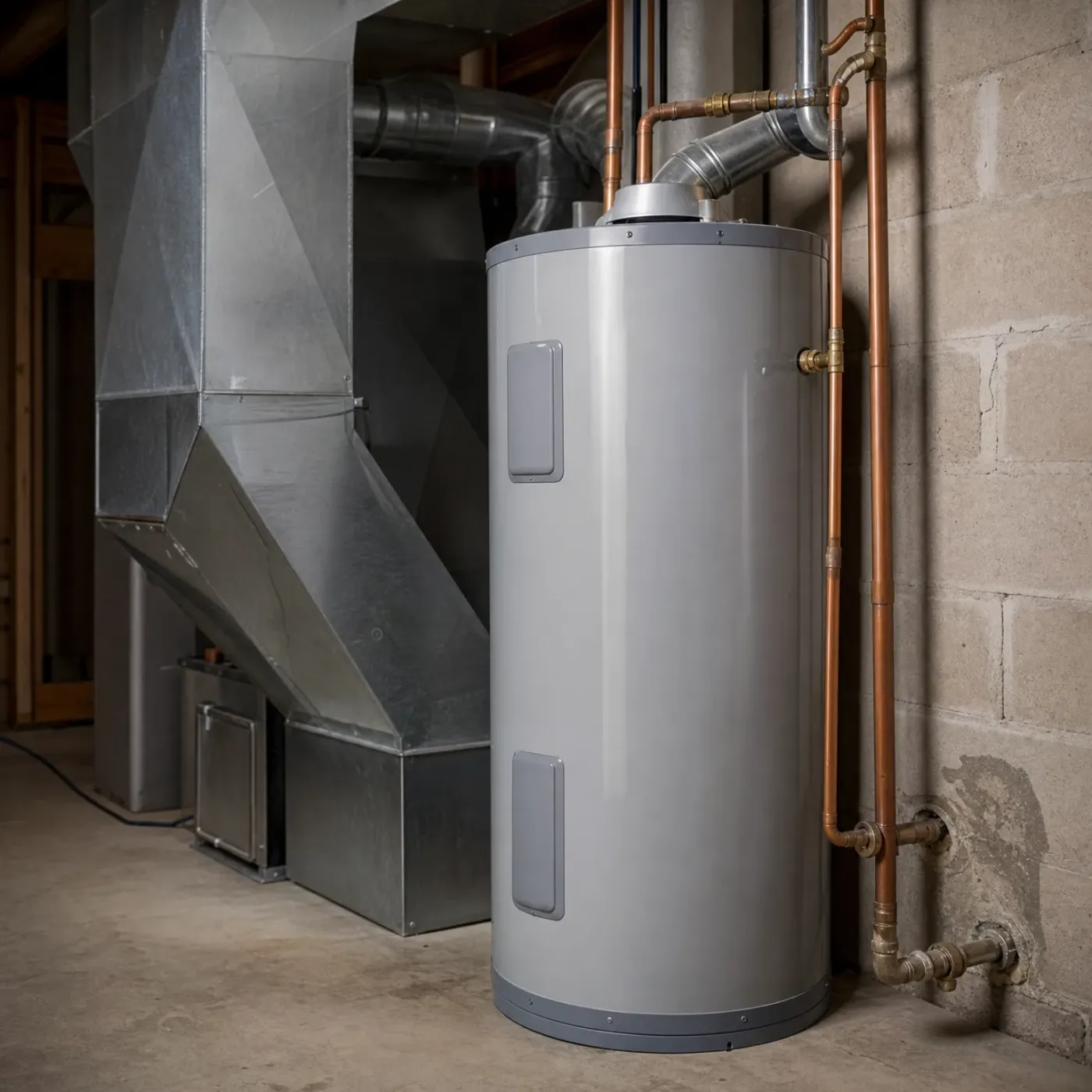
A gray cylindrical water heater stands on a concrete floor in a basement beside copper pipes along a concrete block wall, with galvanized sheet-metal ductwork to the left.

One request and it's handed off

Skip calling around to set up a water heater tune-up.

One request and finding someone for the tune-up is handled.

Skip the search

There's no charge for the request.

Gas or Electric: Where Sediment Hits Hardest

Gas water heater

  • Sediment sits right on top of the burner, so the flame has to push heat through that layer before it ever reaches the water.
  • A thick enough layer can scorch the bottom of the tank and the burner has to run longer to get the same result.
  • The popping and rumbling sound shows up sooner on gas units because that trapped water is working its way out right above the flame.
  • Flushing clears the burner's path to the water again and lets the thermostat read the tank's actual temperature.
  • The flue and gas line stay easier to inspect when sediment isn't forcing the unit to run hotter and longer than it should.

Electric water heater

  • The lower heating element sits down in the sediment itself, not above it, so buildup can bury the element outright.
  • A buried element can short out or burn through sooner than one that's kept clear by a yearly flush.
  • Electric units in Tarrant County already run against expensive power, and a sediment layer adds to what the element has to push through.
  • Recovery time between tanks of hot water gets longer as the element works through more buildup to heat the same amount of water.
  • Flushing restores contact between the element and the water, so the thermostat isn't reading a layer of sediment instead of the tank.
  1. Water enters the tank and sediment settles to the bottom.

  2. A technician shuts off the gas or power to the unit.

  3. Cold water hooks to the drain valve and flushes out loosened sediment.

  4. The tank refills and the burner or element heats clean water again.

An older gas water heater with copper and black pipes stands in the corner of a bare concrete basement next to a wood-framed partition wall.
Before you get your water heater maintenance
A gray cylindrical gas water heater with copper piping, flue vent, and a small expansion tank stands in a basement corner between a concrete wall and an insulated stud wall.
After you get your water heater maintenance

What Actually Happens During a Flush

  • A drain valve sits near the bottom of the tank, just above where sediment actually collects.
  • Closing the cold water inlet first keeps the tank from refilling while it drains.
  • Loosened sediment can clog the drain valve itself, which is why the flow sometimes needs restarting partway through.
  • A gas unit's thermocouple and pilot assembly sit close to the drain valve, so a tech works around them rather than through them.
  • An electric unit's lower heating element threads directly into the tank wall below the sediment line.
  • Running the water until it drains clear is how a tech knows the sediment is actually gone, not just the loose top layer.

A flush is a specific, mechanical process, and knowing the order of it is how you judge whether it was done right. The drain valve near the bottom of the tank sits just above the sediment, which is where it needs to be to catch what settled there. Before any water moves, the cold water inlet gets closed first, otherwise the tank just refills as fast as it drains and nothing actually clears. On a gas unit, the thermocouple and pilot assembly are mounted close to that drain valve, so a tech has to work carefully around them rather than disturb them to get the job done. An electric unit is different. Its lower heating element threads straight into the tank wall below the sediment line, which means a tech working on an electric tank is managing a part that sediment sits against directly, not just near. Partway through a flush on a tank that has gone a while without one, the sediment itself can clog the drain valve and stop the flow. That is normal, and restarting it is part of the job, not a sign something went wrong. The real test of a finished flush is the water coming out of that valve. A tech runs it until it drains clear, because clearing only the loose top layer and leaving the hardened base underneath does not solve the problem that made the tank work harder in the first place.

Power here costs 16.84 cents per kilowatt-hour

Most homes here heat water with electricity, and at 16.84 cents per kilowatt-hour, that element is running up a real bill every time it has to push through a layer of sediment to heat your water. A yearly flush keeps the element working against water, not against buildup.

EIA-861 2025

A closed laptop and a ceramic mug of dark coffee sit on a wooden table, with a blurred kitchen counter, potted plant, wooden utensils and cutting boards, and a large window in the background.

Once a year keeps a water heater working the way it should

Flush it once a year. That's the whole answer. Fort Worth's hard water leaves sediment behind no matter what kind of tank you have, gas or electric, and a yearly flush keeps that layer from ever getting thick enough to matter. Skip it for a few years and the tank is heating through buildup instead of heating water, which is where the noise, the slower recovery and the higher bill all come from.

You don't have to track down who does this well or call around to find out. You don't have to explain your water heater's age and symptoms to three different companies and then sit with three quotes trying to figure out which one actually knows what they're doing. Send the form once and that search is off your plate. Someone qualified to flush a tank the right way, drain valve, inlet, the whole job, takes it from there.

A light-colored ceramic vase holding green leafy branches sits on a round wooden table, with a wooden-framed armchair draped in a cream throw, a tripod floor lamp, and sheer curtains blurred in the background.
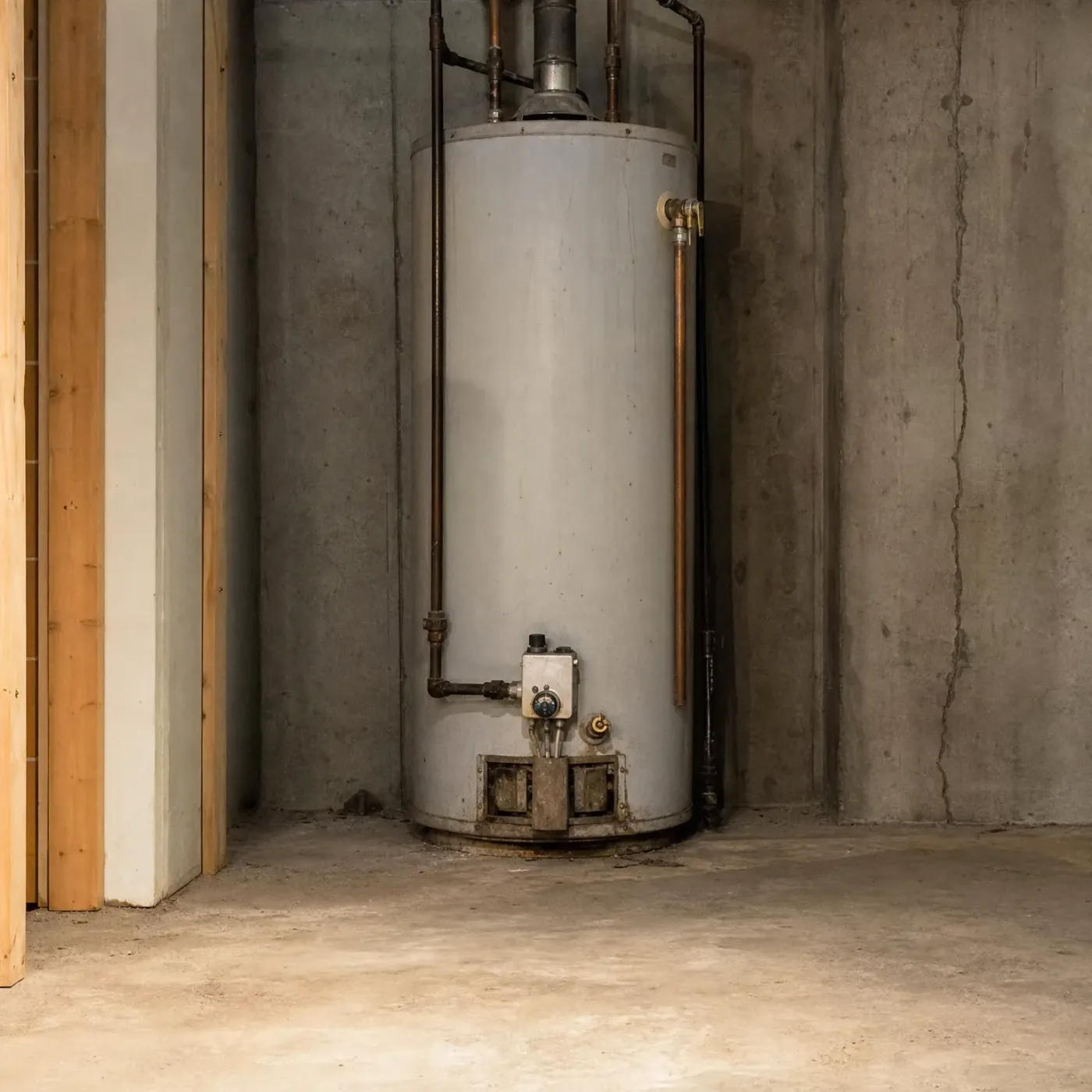
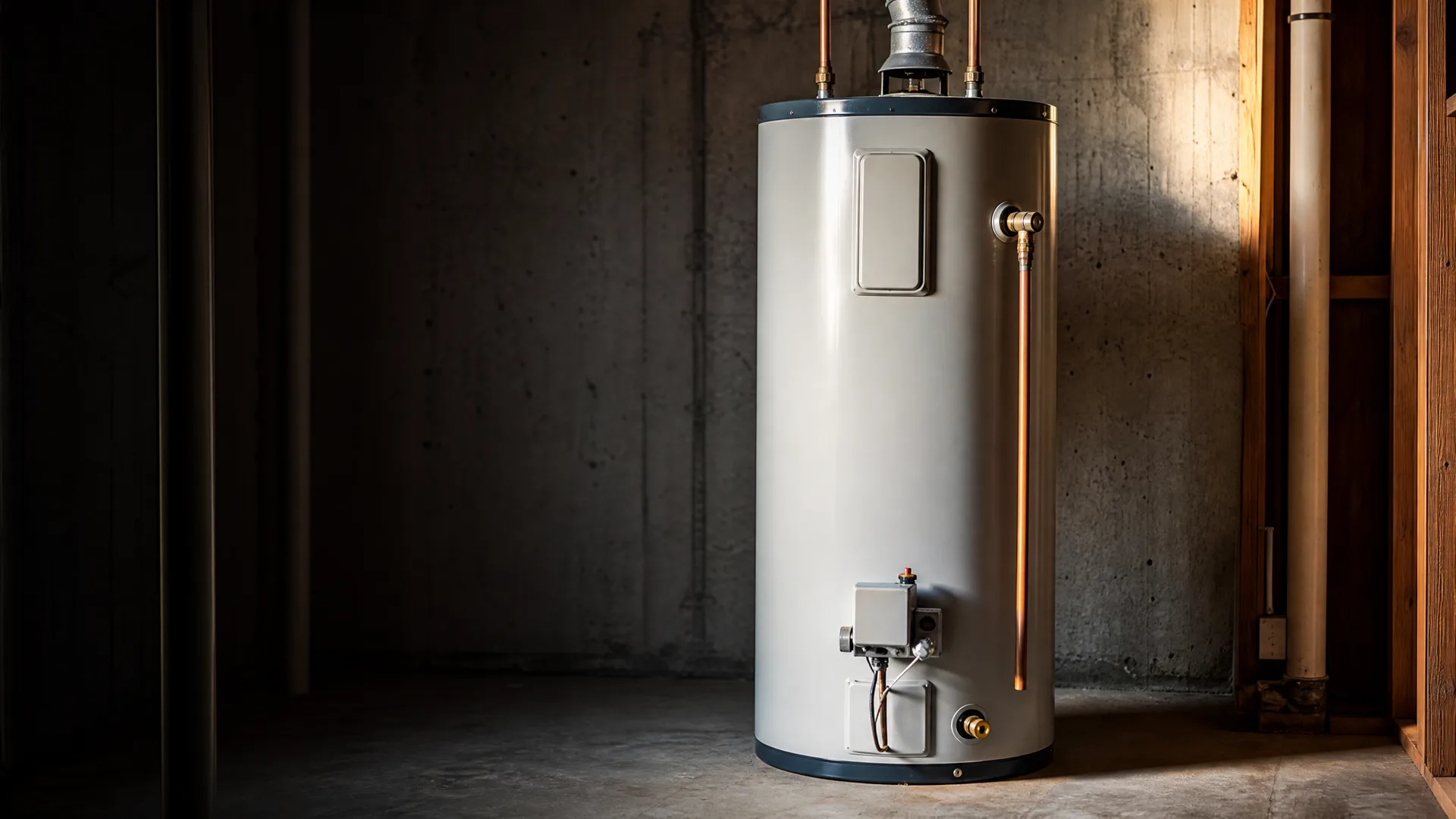
A cylindrical gas water heater with copper pipes, a flue connection on top, and a control box near the base, standing on a concrete floor against a concrete wall.

Done looking for a water heater pro

Step 1 of 3: Equipment