
A tank doing its job
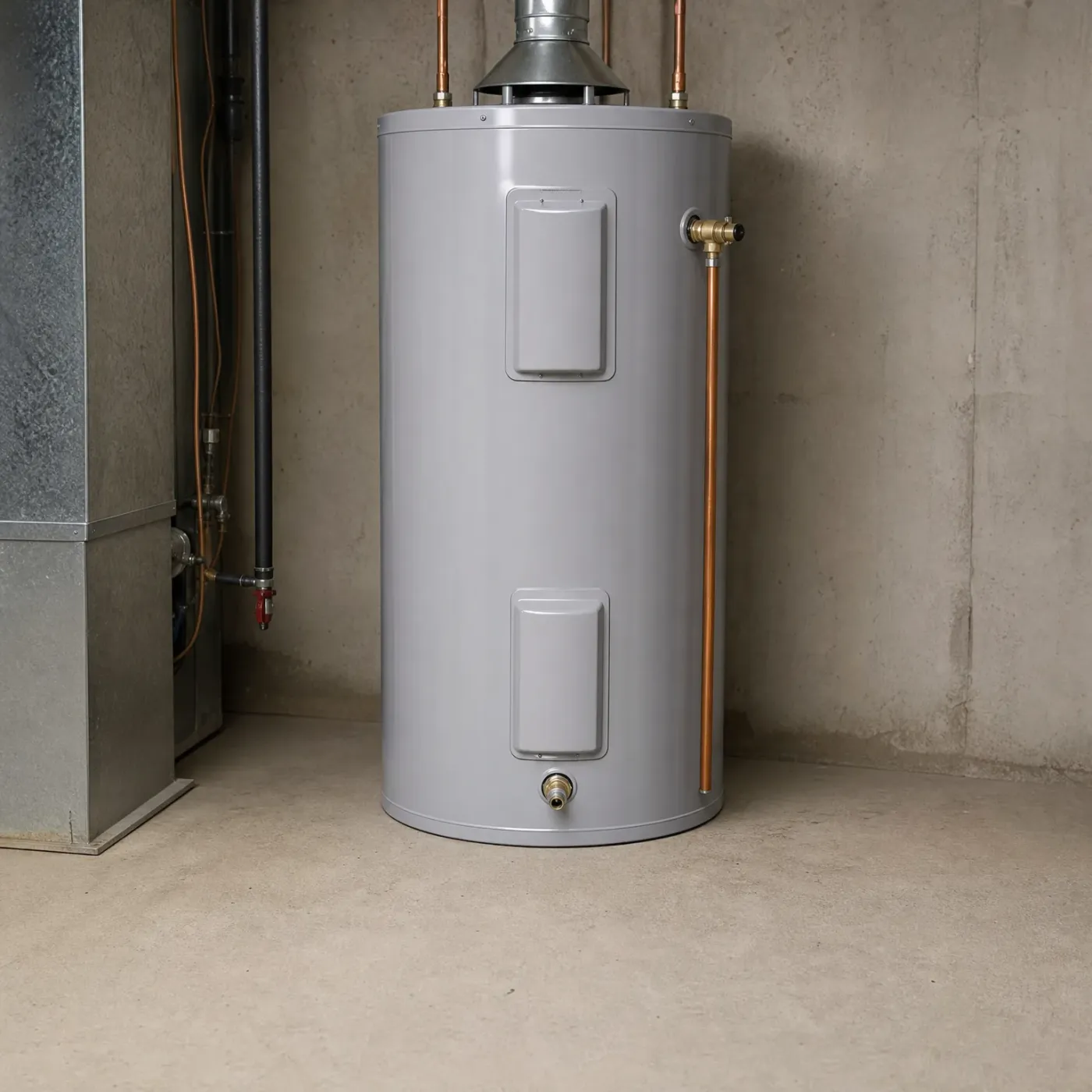
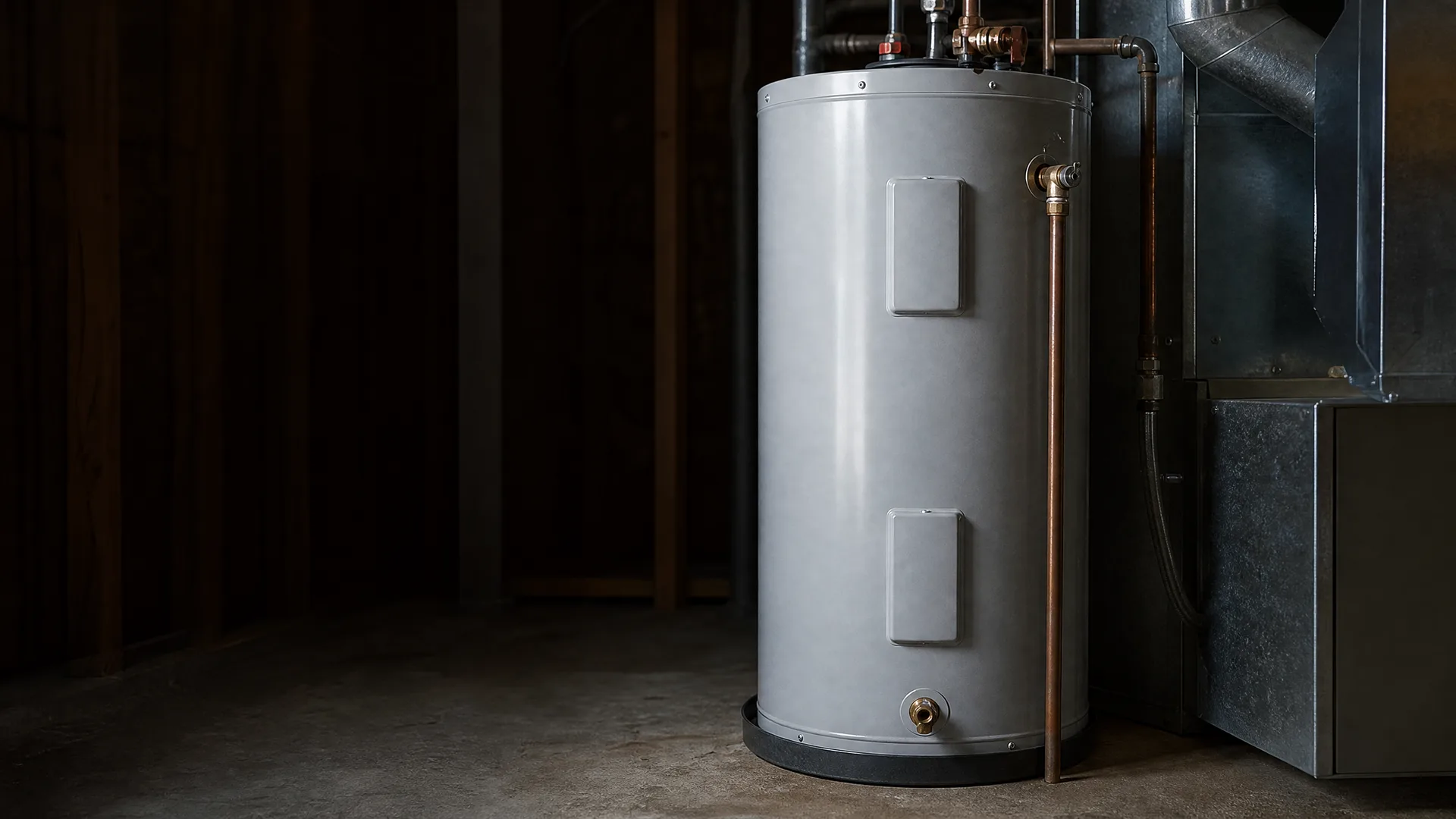
This is a standard electric tank, copper and PVC lines run clean overhead, and it just heats water in the background. If yours looks like this and keeps up with your house, there's no reason to swap it out early.
One request and the search for a pro is handled.
Hand off my installationFor most homes in and around Conroe, a tankless water heater is worth it if you're replacing a unit anyway or you keep running out of hot water. Tankless units heat water on demand instead of keeping forty or fifty gallons hot around the clock, so they cost less to run month to month and they don't quit mid-shower when a tank would've emptied out. With most homes here running on electric water heating, an electric tankless model also skips the standing pilot and storage losses that come with a traditional tank. They cost more upfront than a standard tank, and that gap takes time to close through lower bills, so the math depends on how long you plan to stay in the house and how much hot water your household actually uses. For a household that showers back to back or runs a dishwasher and laundry at the same time, the steady supply alone makes it worth the switch.
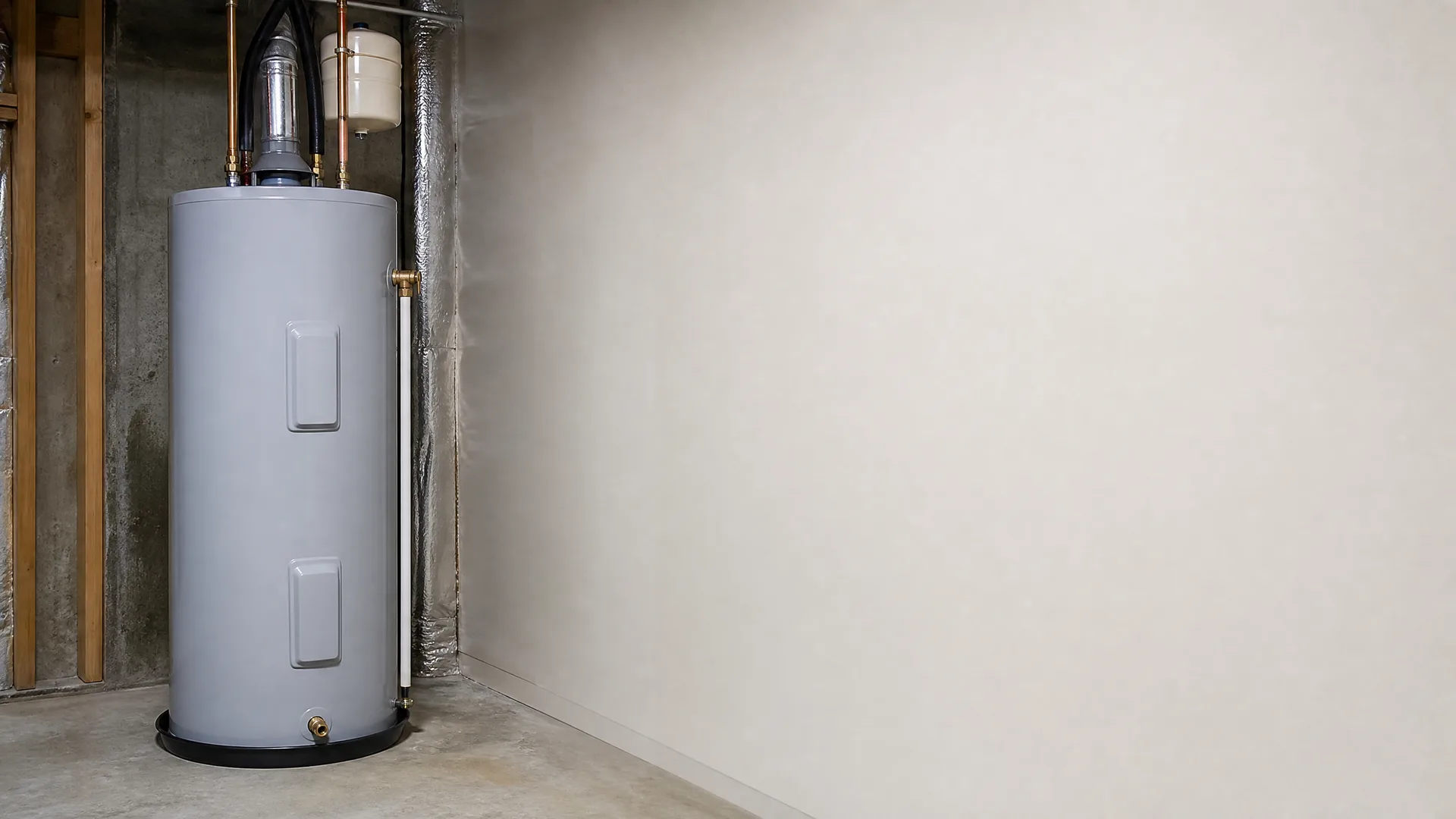
Most homes in Montgomery County heat water with electricity, and an electric tankless unit draws a lot more power at once than a tank ever did. Your panel needs enough spare capacity to handle that draw, and some homes need an upgrade to the electrical service before installation. A contractor who comes out can check your panel and tell you where you stand before any work starts.
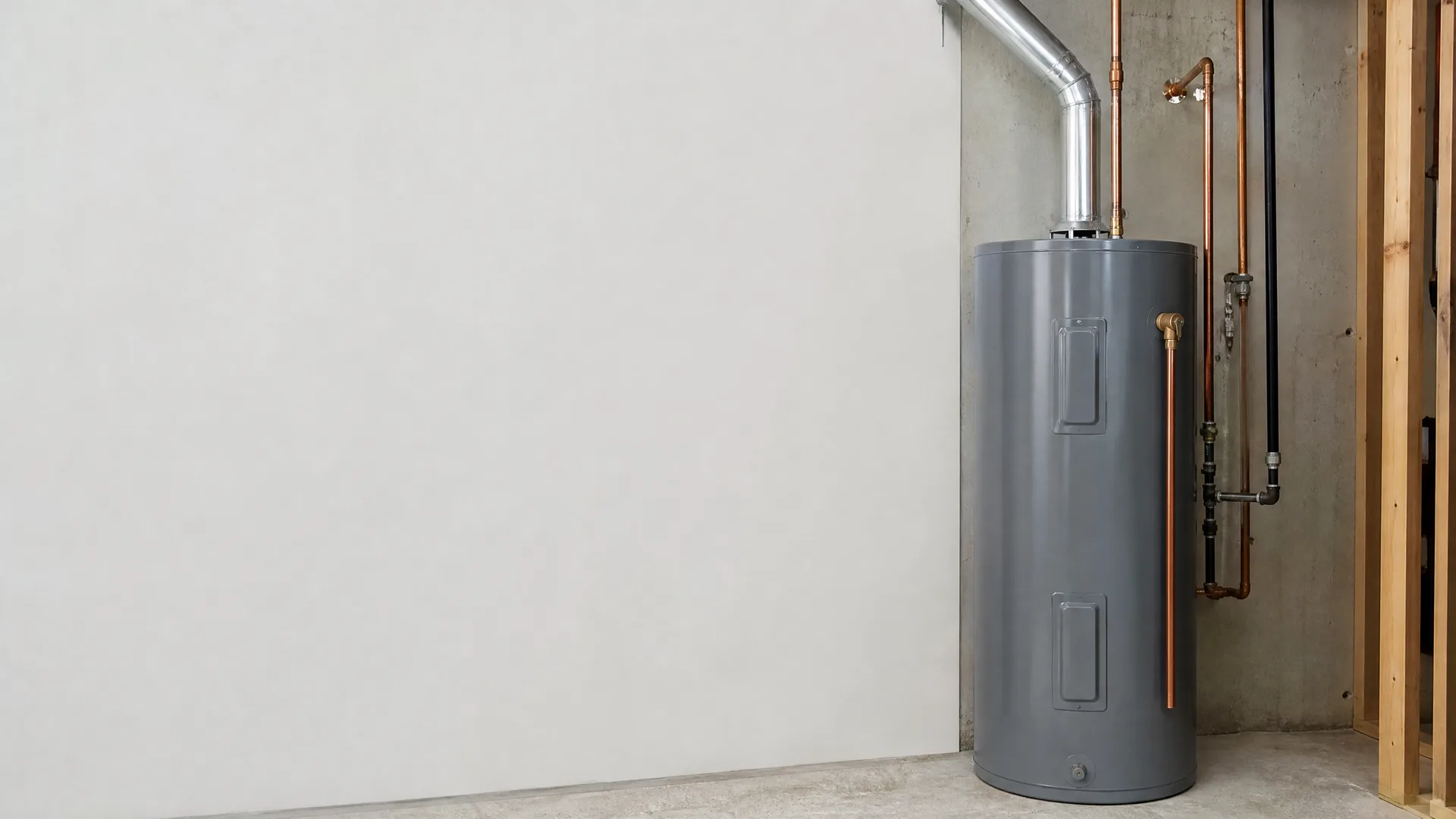
A gas tankless unit can supply hot water as long as you need it, since it heats water as it passes through rather than drawing down a tank. That matters for a house that fills a tub, runs the dishwasher and showers back to back. An electric tank runs out once the forty or fifty gallons inside it are used up, and recovery takes time.
If you're asking this, you probably already know the pattern. Someone showers, and the next person waits. Run the dishwasher and a shower at the same time and one of them turns cold. A tank that once kept up now struggles once the household grows, or it was never sized right to begin with. You might notice the water heater running almost constantly, or hear it kick on more than it used to. If it's old enough, you may see rust around the base or a slow drip at the fittings, and that's worth checking now rather than after it fails and leaves you with water on the floor and no hot water at all.
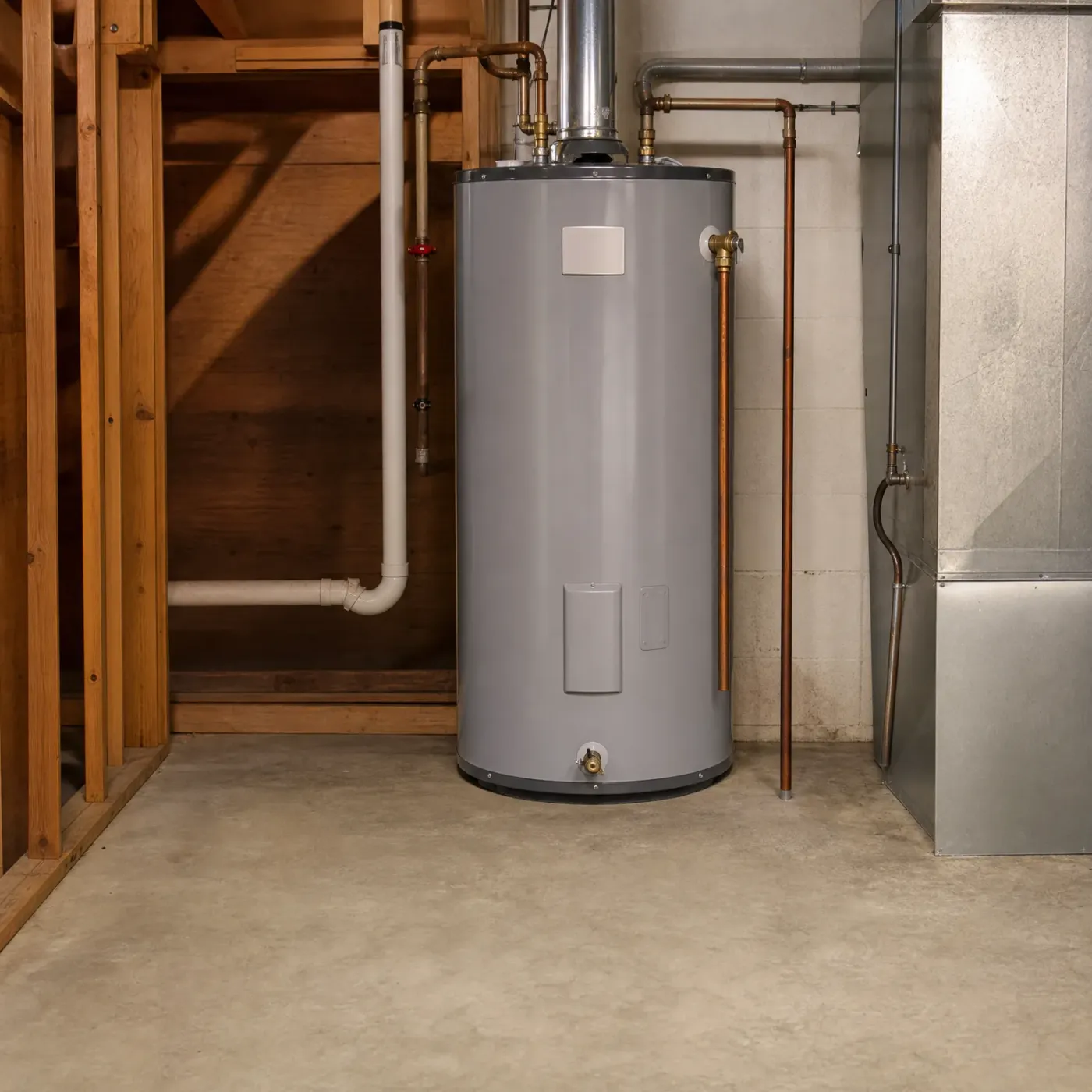
This is a standard electric tank, copper and PVC lines run clean overhead, and it just heats water in the background. If yours looks like this and keeps up with your house, there's no reason to swap it out early.
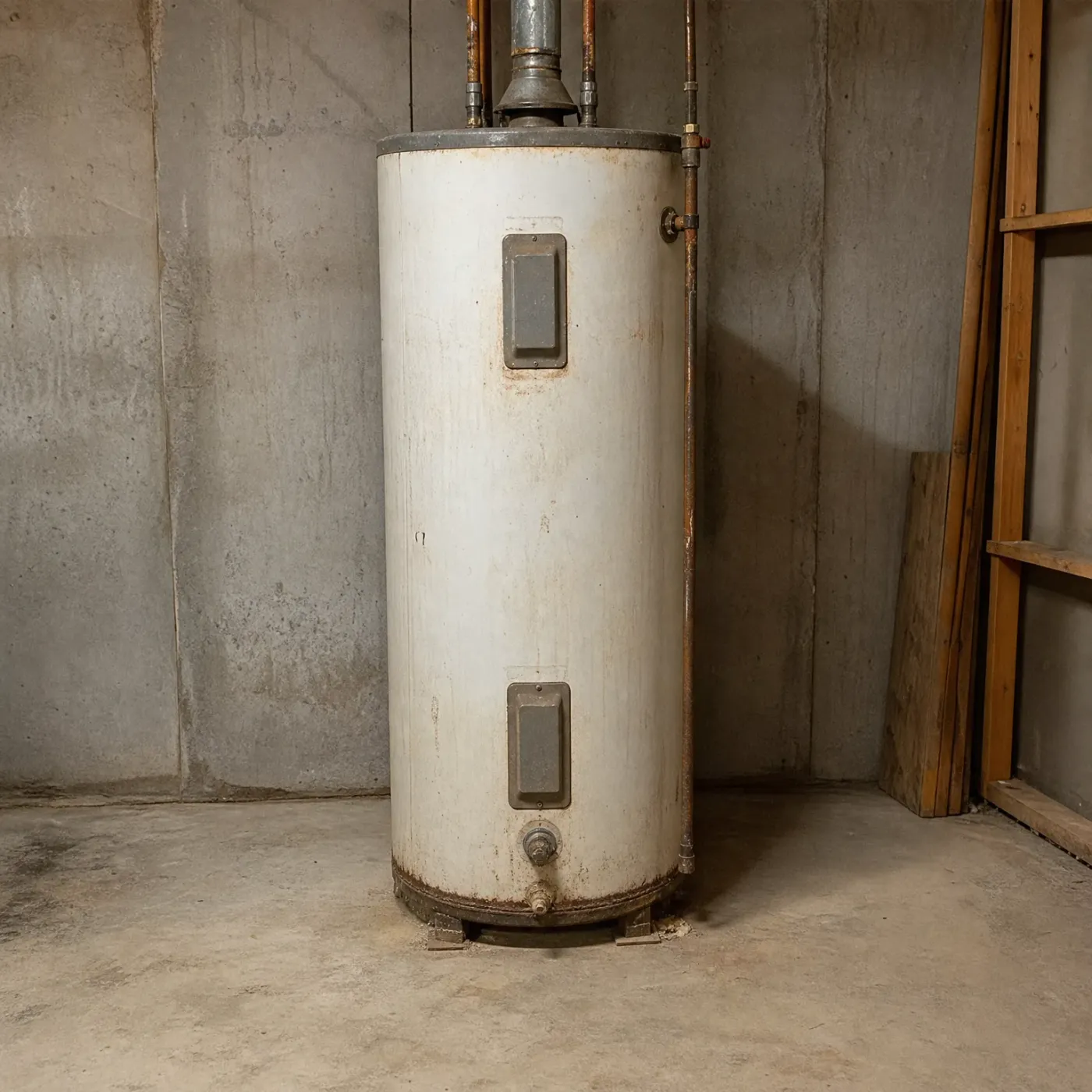
Rust like this on the jacket means the tank itself is failing, not just a part inside it. Once it gets to this point, it's a question of when it leaks, not if. That's the moment to decide whether to replace it with another tank or go tankless.




If your tank is leaking or already out, swapping in a tankless unit now means one installation instead of two, and no second round of calling around when it happens again.
If your tank keeps up with your house and isn't failing, there's no cost or power upgrade to take on, and no reason to touch your panel before you have to.
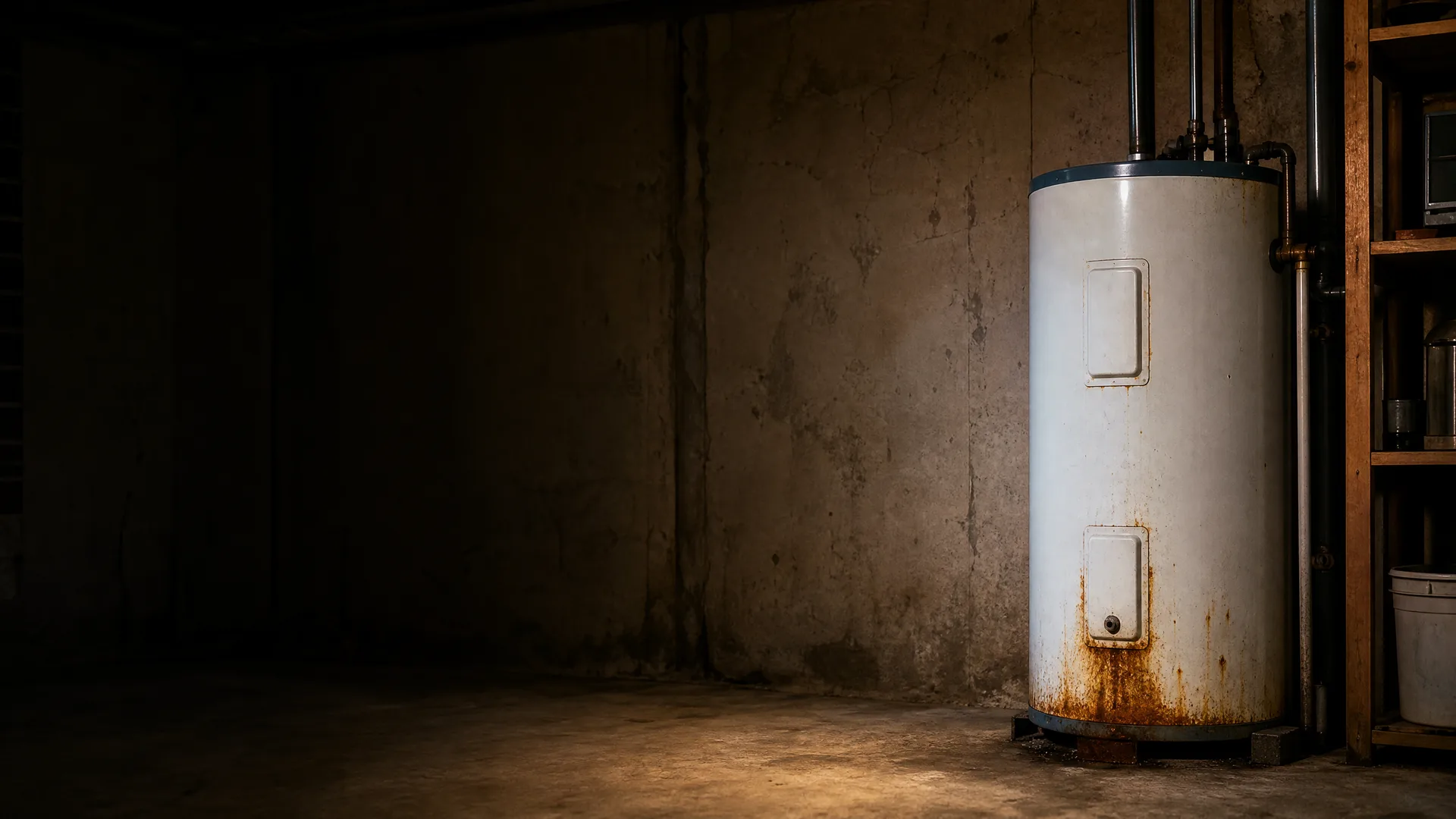
It's a little past eight, dark outside already. You're in the utility room grabbing laundry out of the dryer and the water heater is sitting there in the corner, same as it's been for years. The light overhead is bare, a little yellow. You notice the base of the tank first, that line of rust creeping down from the seam, pooling faint and orange on the concrete underneath it. You crouch down and touch it and your finger comes away reddish-brown. Upstairs someone's about to shower. You stand there a second, doing the math on whether it'll hold through tonight, or whether tonight's the night you're calling someone instead of waiting for the morning.
You've read what makes a tankless unit worth it here and what doesn't. Maybe your tank is already failing, or maybe you're just tired of running cold halfway through a shower while the dishwasher's going. Either way, the next step is the same: someone has to look at your panel, your gas line if you have one, and your house to tell you what an install actually involves for you. That part isn't something you can answer from a search page, no matter how specific. What you can skip is the part where you spend an evening calling around Conroe, explaining the same thing four times, and trying to guess which quote is honest. Send the request once and that legwork stops being yours to do. You go back to laundry, to dinner, to whatever you were doing before the water heater made itself the problem again, and the finding-someone part is off your plate.
Open a tap and the unit's flow sensor picks up the movement right away. That's what tells it to fire, whether it's a gas burner or an electric heating element. Water runs through a heat exchanger on its way to the tap, picking up heat as it passes, instead of sitting in a tank waiting to be used. Nothing is kept hot in the background. A stored tank loses some heat all day even when the house is empty, and a tankless unit skips that entirely because there's no standing volume to lose it from.
Where it heats the water is also where the limits show up. Electric models rely on resistance elements, and those elements have to work harder the colder the water coming in. Groundwater in Montgomery County isn't cold the way it would be further north, but the unit still has a ceiling on how much it can heat per minute. That ceiling is the flow rate. Run a shower and the dishwasher at the same time and the unit splits its output between both, so neither gets what a tank would have handed over from its reserve.
None of this runs off a standard outlet or an undersized gas line. Electric tankless units draw enough at peak to need a circuit sized for that load, and gas units need a line sized for their burner. The hookup is as much a part of the install as the unit itself.
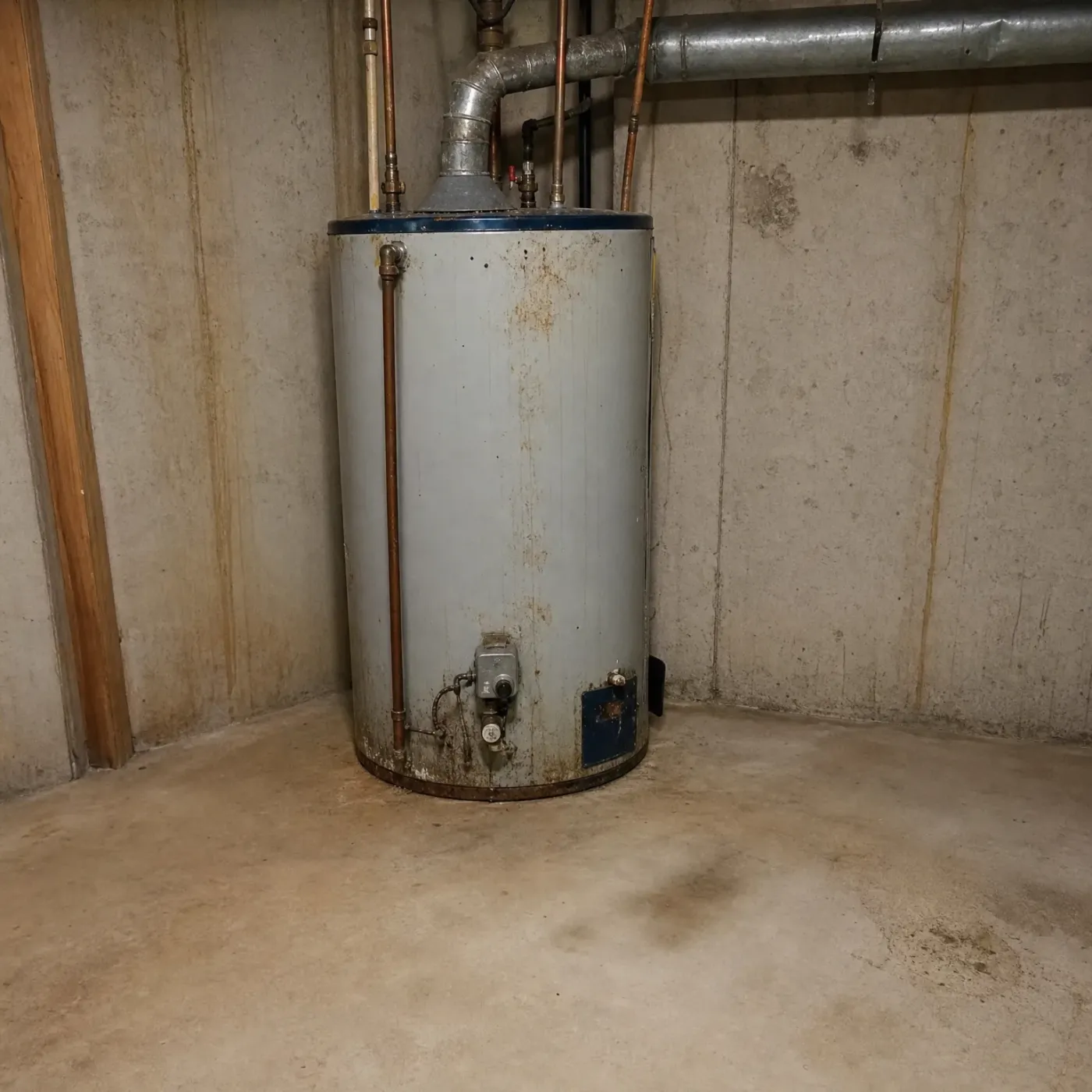
A tankless unit never runs out, since it heats water as it's used instead of pulling from a fixed amount sitting in a tank. Back to back showers and a load of laundry at the same time won't leave anyone standing in cold water.
A tank only has so many gallons heated and ready. Once that's used up, everyone waits for it to reheat, and in a house where people shower and run the dishwasher around the same time, that wait happens often.
At 15.50 cents a kilowatt-hour, running an electric tank costs you something around the clock, since it reheats the same forty or fifty gallons whether anyone's home or not. A tankless unit only draws power when water's actually running, so you're not paying to keep a tank hot all day.
EIA-861 2025


2.75 people per household on average
Most households in the county run about 2.75 people through the same hot water line, which is close to back to back showers and a load of laundry most mornings.
Half the homes here were built by 2004
Half the homes here were built by 2004, so plenty of tanks installed with the original construction are old enough that replacing one isn't a question of if.
51.7% of homes heat with electricity
Just over half of homes in the county heat water with electricity, which is the setup both tank and tankless units here are usually working with.
ACS 2020-2024
Cold water enters the unit when a fixture or appliance calls for it
A flow sensor detects movement and signals the control board to start
A gas burner or electric element fires up to heat the exchanger
Water passes through the hot exchanger and comes out at the set temp

A tankless water heater is worth it in Conroe if your tank is already failing or you're tired of running cold with the shower and the dishwasher going at once. If your tank still keeps up with your house, there's no reason to swap it early. That's the whole answer, and everything above just shows why it holds for homes in Montgomery County.
What's left is finding someone to do the install right, size the unit for your house, and check your panel if you're going electric. That usually means calling around, explaining the same thing to three different contractors, and comparing quotes that don't line up. Send the form instead and that work is off your plate. You'll still need to decide if tankless is right for your house, but you won't be the one tracking down who can install it.

Done looking for a water heater pro