
No hot water in League City, TX
Why do I suddenly have no hot water?
Most of the time this happens with no warning. You went to take a shower and the water never warmed up, or it was running hot an hour ago and now it isn't. With most homes here heating water with electricity, the first thing worth checking is whether something tripped, but that isn't always it.
Something inside the water heater has failed or the power to it has cut off
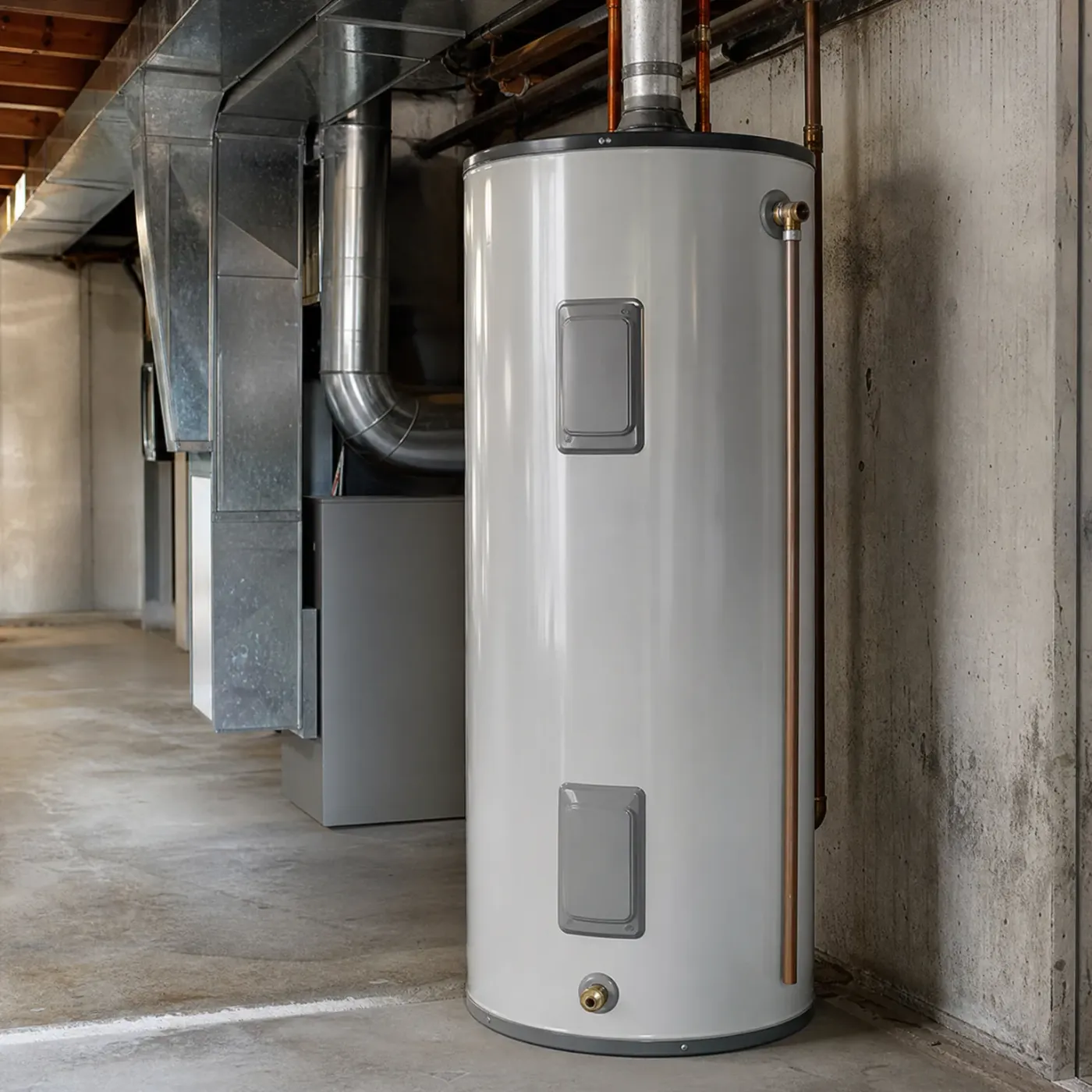
An electric water heater needs both of its heating elements working and power getting to them. If one element burns out, you get a shorter run of warm water or none at all. If the breaker tripped or a thermal switch inside the unit cut off, the tank gets no power and everything in it cools down over several hours. A gas water heater without power to spare can still fail on its own: the thermocouple or igniter can go bad and stop the burner from lighting at all. Either way, once the tank stops heating, it has nothing stored to give you, and cold water is what comes out of every faucet in the house until it's fixed.

The thermostat calls for heat, but the upper heating element gets no power.
A tripped high-limit switch cuts power to both elements at once.
The lower element can't finish heating the tank without the upper one working first.
A blown thermostat or heating element stops the tank from heating at all.
What does this actually look like in your house
You turn the tap and the water goes from hot to lukewarm to cold, sometimes partway through a shower. The breaker for the water heater may have tripped on its own, or you'll find it still on with no hot water to show for it. Some homes get a short burst of warm water that runs out fast, which usually means only one element is still working. A burning or metallic smell near the tank, or a popping sound when it runs, is worth paying attention to. Left alone, a heater that cycles on a tripped limit switch or a failing element can wear out the other parts faster, and a full loss of hot water with kids or older family members at home is its own kind of problem.




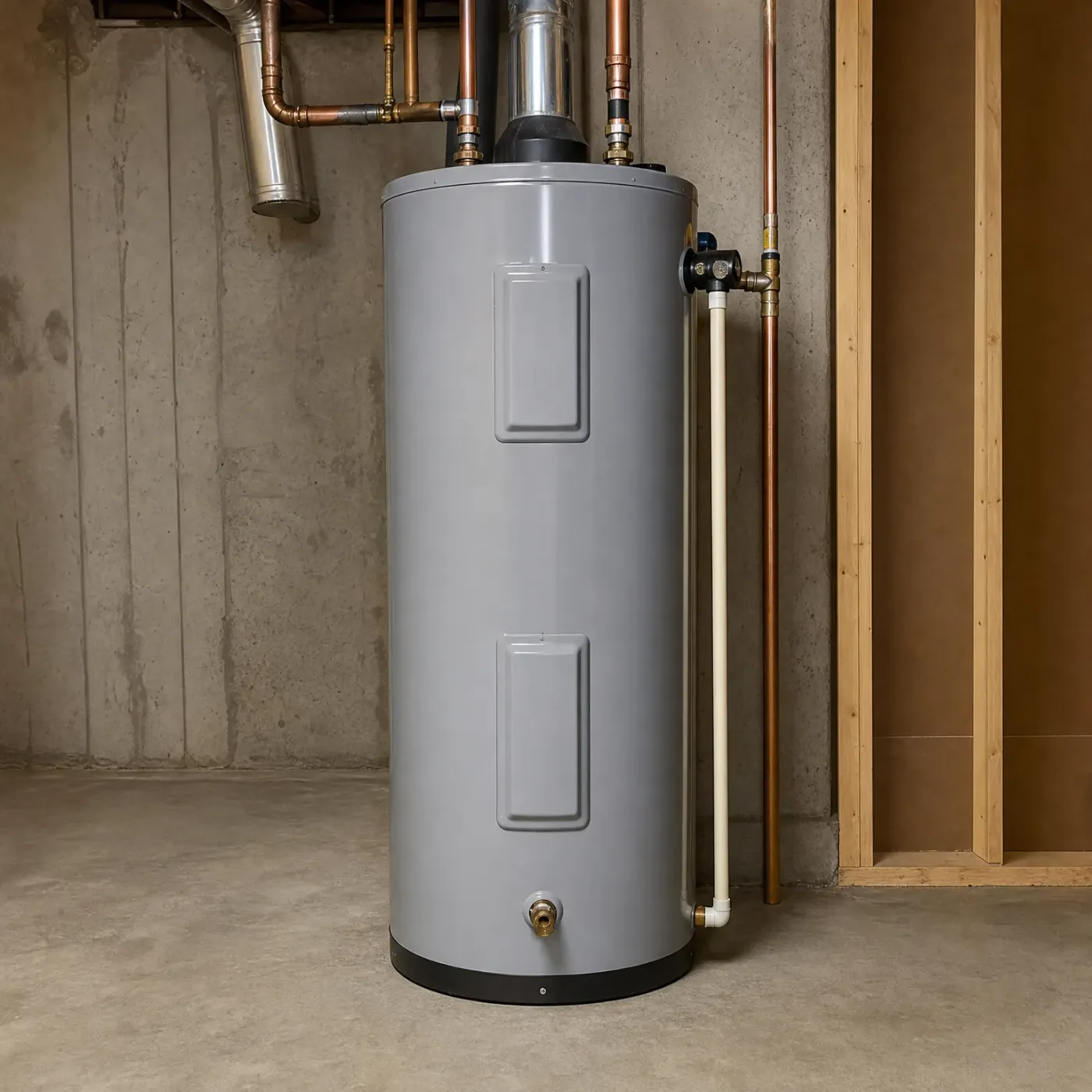
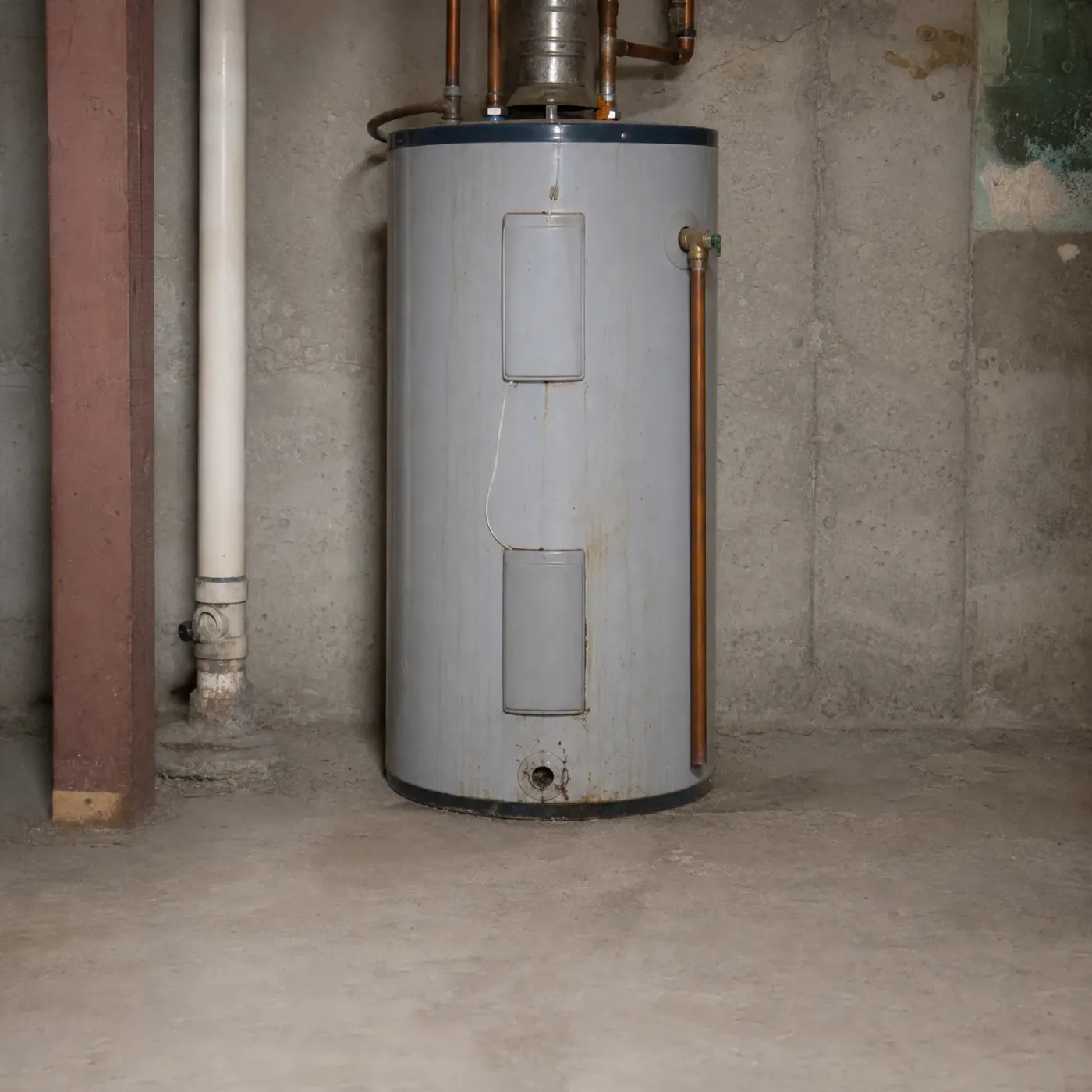
A water heater that quits without warning does more than cut off your shower. With no hot water, dishes pile up in the sink because nobody wants to wash them in cold water, and laundry on anything but a cold cycle waits too. If the cause is a tripped high-limit switch or a failed element, the tank itself is usually fine, and that's worth knowing before you start planning around a new one. But if what's failing is the tank, the water inside it is sitting right now, and a tank that fails at the seams or the bottom puts water on your floor, not just cold water in your shower. A household with electric water heating in Galveston County depends on this one appliance for everything hot, so there's no second system to fall back on while it's down.
Hand off the water heater problem
Explain the water heater problem once instead of to every shop in Galveston County.
Send the request today and stop worrying about who to call.
No charge to send it. You decide if you hire them.
What does your household actually need from a water heater
2.51 people per household on average
With 2.51 people in the average Galveston County household, most tanks here are sized for a family, not a single person, so one failed element can mean a houseful of cold showers.
Half the homes here were built by 1990
Half the homes in the county were built in 1990 or earlier. If yours is one of them, check when the water heater itself was last replaced, since the tank doesn't have to be as old as the house.
51.6% of homes heat with electricity
More homes here run on electric water heaters than any other kind, at 51.6 percent, so a tripped breaker or a bad heating element is the first thing worth checking.
ACS 2020-2024
Where this leaves you
- No hot water almost always starts with a tripped high-limit switch or a failed heating element, not a dead tank.
- A breaker that looks fine can still be the problem if the high-limit switch inside the heater has cut power.
- The upper element has to work before the lower one can finish the job, so one bad part stops the whole tank.
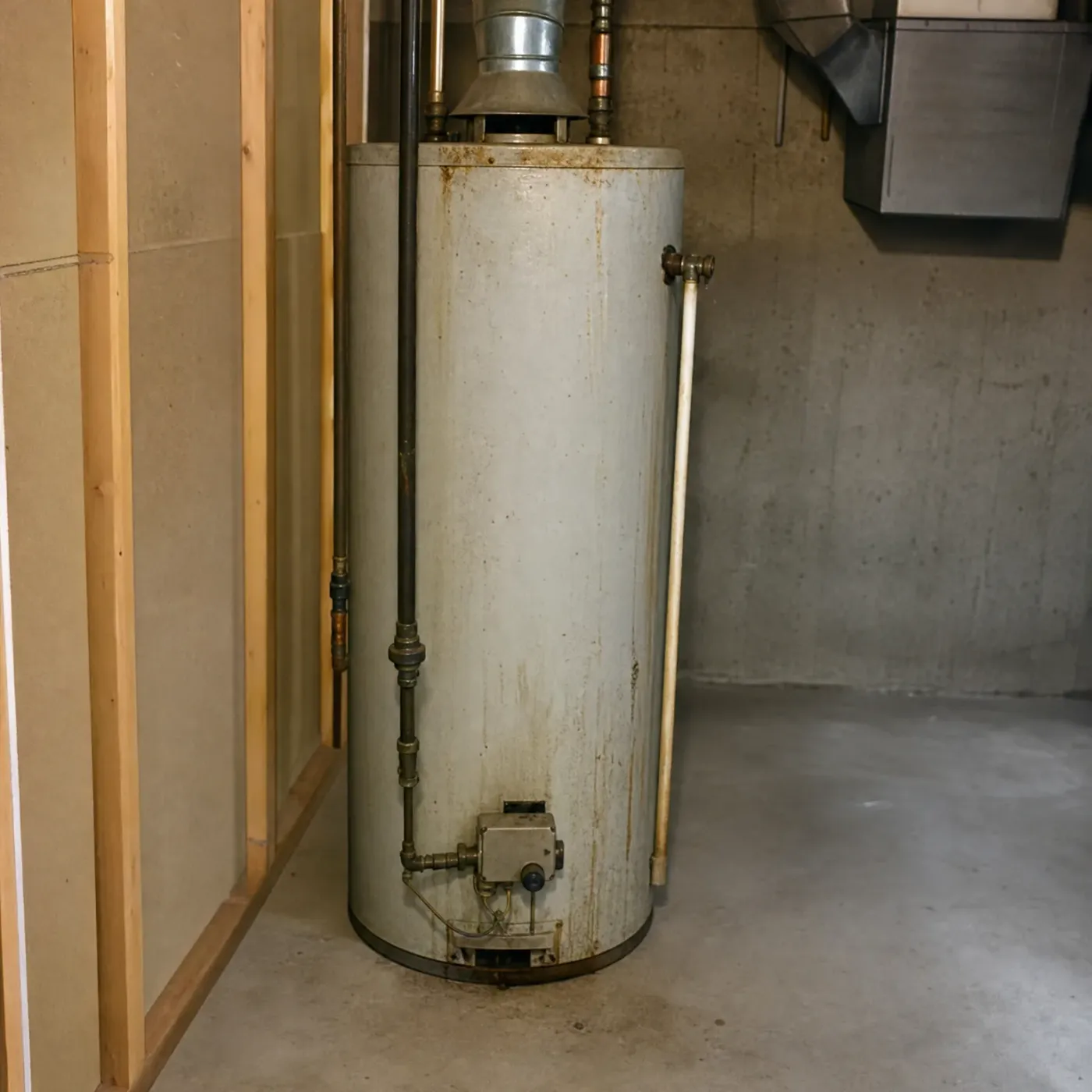
- Rust at the base usually means the tank is failing, while clean copper lines and a working relief valve mean it's still sound.
- Cold showers, dishes piling up, and laundry stuck on cold cycles are what this failure costs you day to day.
- Once you know what's wrong, the next step is getting someone qualified to fix the actual part, not guess at it.
No hot water almost never means the tank is dead. Most of the time it's a tripped high-limit switch or a failed heating element, and the breaker tripping or looking fine doesn't tell you which. The upper element has to do its job before the lower one can finish heating the tank, so a single bad part upstairs leaves the whole thing cold. Look at the tank itself for the real answer. Clean copper lines and a relief valve that still works mean the tank is sound and the fix is inside it. Rust climbing the base means the tank itself is going, and no part swap fixes that. Either way, the cost shows up the same way every day: cold showers, dishes waiting in the sink, laundry stuck on a cold cycle because nobody wants to run anything warm through a tank that isn't heating. None of that tells you which part failed or whether the tank is worth saving, and guessing wrong means paying for a repair that doesn't hold. What it does tell you is that this is a job for someone who can open the tank, test the elements and the switch, and tell you straight whether you're fixing a part or replacing the unit. Once you send that off, the search for who to call and the back and forth of explaining the problem twice isn't yours to carry anymore.


Hand off the search today
No hot water usually comes down to a tripped high-limit switch or a failed element, and either one calls for someone who can open the panel and test it safely. Instead of calling around Galveston County, explaining the same problem twice, and sorting through quotes on your own, send the form once. A licensed contractor takes it from there, and finding help stops being something you have to manage. That's the part this page takes off your plate.
Fill out one short form instead of calling around.
There's no charge for the request.