


8 to 12 years old
That's the range most tanks make it to before the lining gives out. If yours falls in it, replacing it now means you choose the timing instead of a leak choosing it for you.
Send it once and finding someone is no longer on you.
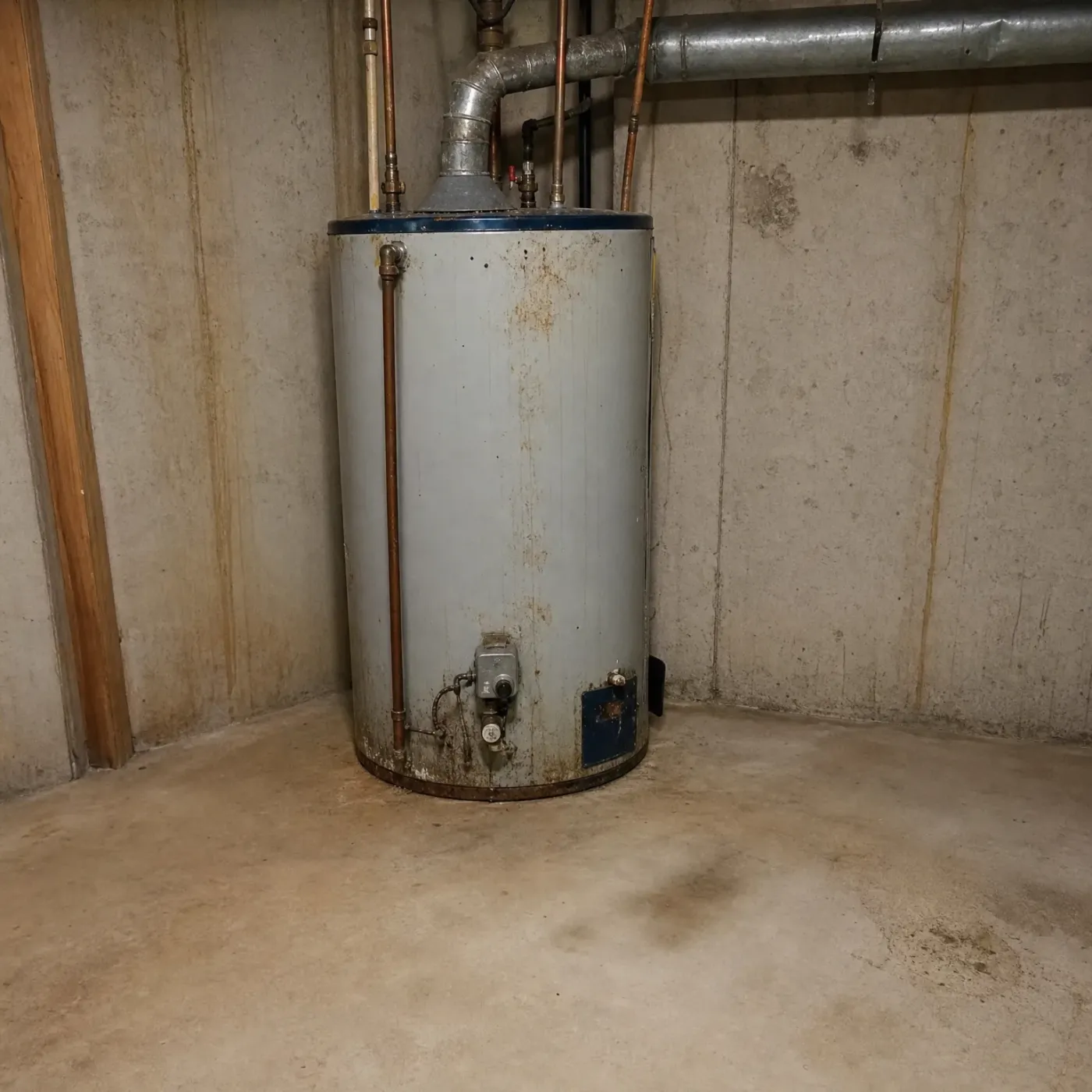
Let a pro reach outA water heater that's rusting at the tank, leaking from the bottom, or running out of hot water faster than it used to needs replacing, not repairing. Most tanks last eight to twelve years, and once the inner lining wears through, rust gets into the water itself, which is different from rust on a fitting that can be tightened or swapped. You might notice the water running cloudy or slightly reddish, or hear a rumbling sound from the tank as sediment builds up and hardens on the bottom. A puddle forming underneath means the tank itself has failed, since water heaters don't develop a small leak that holds steady. If your electric bill has crept up without any other explanation, the heating element may be working harder to do what it used to do easily. Any of these on their own is worth a look. More than one together means the tank is on its way out.
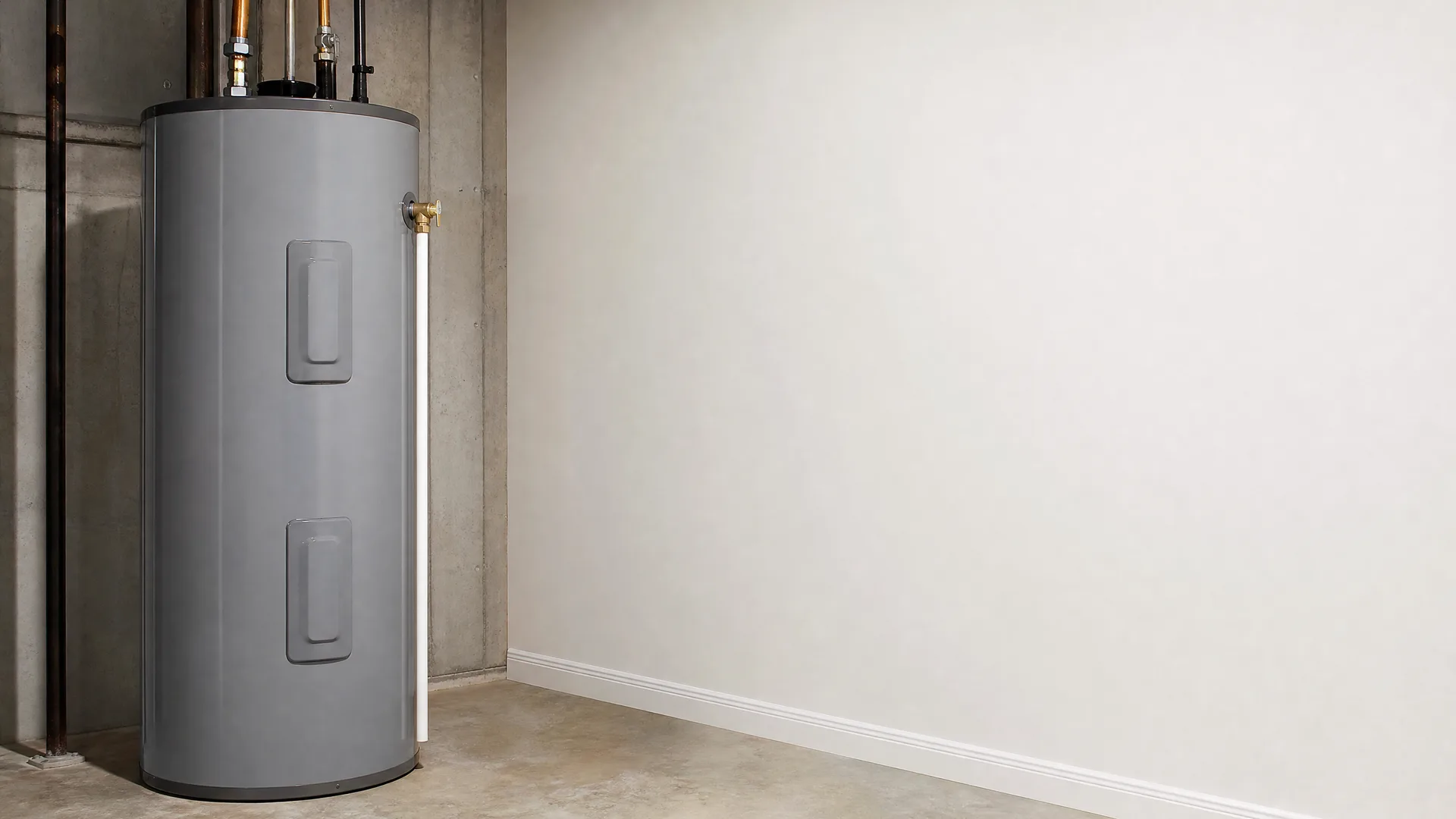
A water heater tank is lined to keep the steel from meeting water directly. Once that lining wears through, there's no patching it. Rust in your hot water, or rust around the tank seams, means the steel itself is failing. A new heating element or thermostat won't change that. The tank is the water heater. When it goes, the unit goes with it, no matter how new the burner or wiring looks.

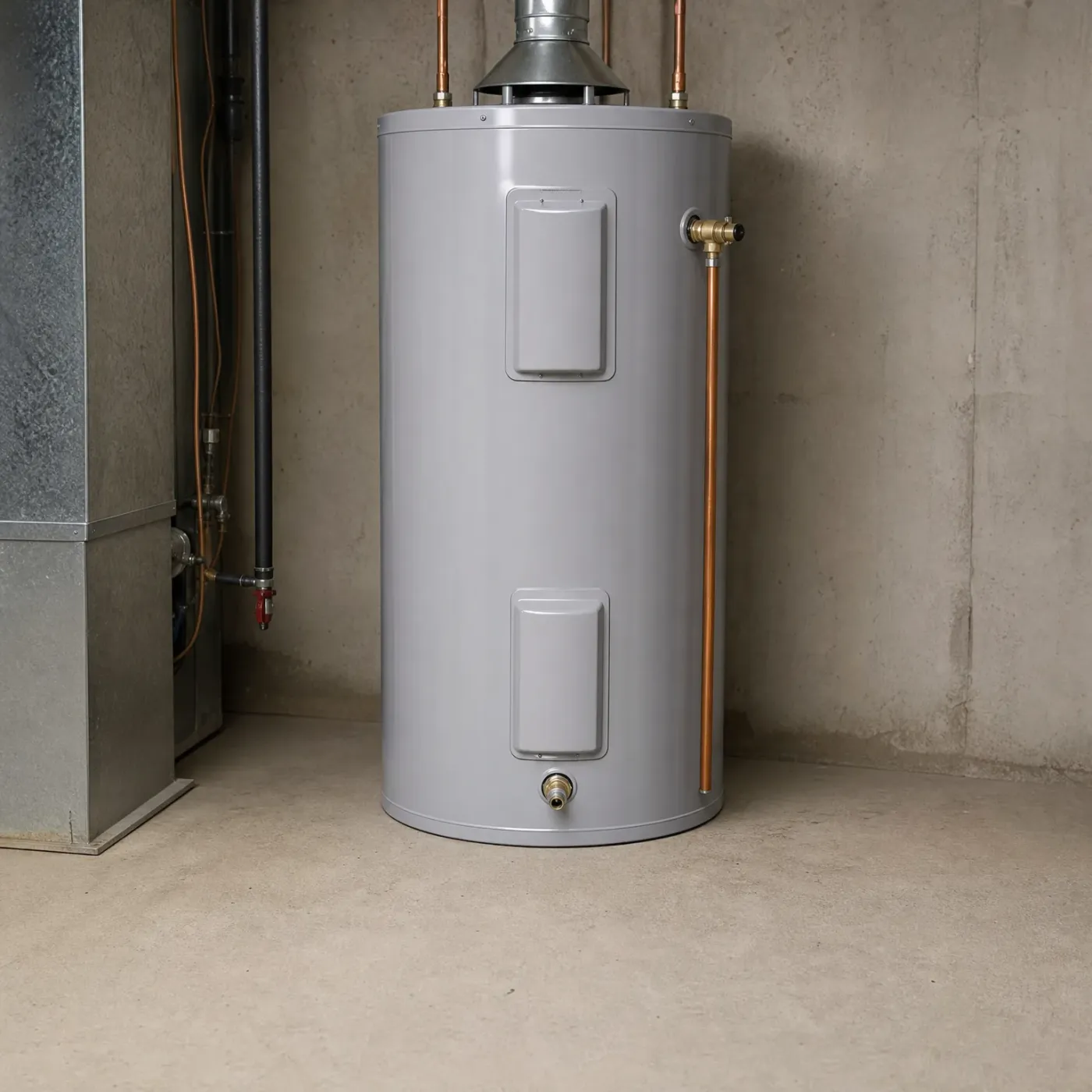
Most homes in Texas run electric water heaters, and electric tanks don't show the sooting or burner wear a gas unit does. The signs show up in the water instead: it takes longer to heat a tank of water, the breaker trips more, or the tank sweats along the bottom seam. With no flame or vent to inspect, the tank's age and condition are what a contractor checks first.




One installer gets your project, so there's no bidding war over it.
Asking costs nothing, and the choice to hire stays yours.
A tank heating around a layer of sediment works harder to get water to temperature, and in most Texas homes that heat is electric, so that extra work shows up on the power bill. Water that takes longer to get hot, or doesn't get as hot as it used to, is the tank telling you it's losing ground. Left alone, a slow leak at the tank seams won't stay slow. Water finds its way to the drywall, the flooring, whatever is nearby, and by the time you see a stain the damage underneath is already done. None of this announces itself all at once. It shows up as a bill that creeps up and a shower that runs cooler than it did last year.
A tank that's rusting from the inside is getting thinner, and thinner steel under pressure eventually gives way, usually without warning. When it does, you're not looking at a slow drip but a tank's worth of water on the floor at once, and whatever's stored near it. Humidity is part of life in Texas already, and a wet utility closet or garage adds mold risk on top of water damage. Waiting also means you lose the choice of timing. A water heater that fails on its own schedule tends to fail on a weekend or a holiday, when getting someone out to replace it properly takes longer than it would have otherwise.
That's the range most tanks make it to before the lining gives out. If yours falls in it, replacing it now means you choose the timing instead of a leak choosing it for you.
A younger tank with no rust and no leak is usually a repair, not a replacement. A local plumber who works on these year-round can tell you which part is failing and fix just that.
Most homes in Texas heat water with electricity, same as yours probably does. That means a failing element or a tank working around sediment shows up directly on your power bill, not a gas line. When the time comes to replace it, it's almost certainly an electric unit going back in.
ACS 2020-2024 5-year B25040
You wait and the tank fails on its own schedule, not yours. A leak shows up on a weekend, or the morning you have somewhere to be, and now it's an emergency instead of a plan.
You replace it once you see the signs, and the timing is yours. The old tank comes out before it floods a closet floor, and the new one goes in on a day that works for you.


A water heater tells you before it fails. Rust in the water or at the seams, a puddle at the base, hot water that runs out sooner than it used to. None of these are parts you swap out and move on from. They mean the tank is done. If yours is between 8 and 12 years old and showing any of this, the timing has already arrived whether you've acted on it or not.
Waiting doesn't change the outcome, it just hands the schedule to the tank instead of to you. An electric water heater working around a layer of sediment costs you more every month it runs that way, before it ever leaks. That cost is quiet. Most people notice the bill before they notice the cause. Replacing it on your own terms means you pick the day, you pick the model, and you're not standing in water at six in the morning trying to find someone who can come out same day.
That part, finding someone, is where a local contractor earns their keep. Someone who installs these tanks across Texas summers has seen this same pattern enough times to know what it means without guessing. You're not getting a dispatcher reading from a script. You're getting one licensed installer who's local to you and has done this job in homes like yours before, not a list of five companies competing for your callback. The signs are clear. What's left is deciding who handles the work, and that part doesn't have to take long.
Your request stays with one local pro.