
Tank or tankless water heater for a Texas home
Should I get a tank or tankless water heater in Texas?
Your old water heater is on its way out, or you're just planning ahead, and now you're staring at two different setups with different price tags and different installs. Most homes around here were built with a tank sitting in the garage or a closet, so switching to tankless usually means more than a straight swap. You want to know which one actually makes sense for a Texas house before you commit to either.
Either one works well here, but a tank is the simpler choice for most Texas homes
A tank water heater does fine in Texas because groundwater here isn't icy cold to begin with, so the tank doesn't have to work as hard to keep up with a house full of people wanting hot water. Most homes already have the gas line, vent or electrical setup sized for a tank, so putting in another one is usually a straight replacement. A tankless unit runs longer between replacements and uses less power to do the job, but going that route often means upgrading the gas line or electrical circuit feeding it, since tankless units draw a lot more at once than a tank does. That makes tankless more of a project than a swap.




Tank vs. Tankless: Weighing Your Options
Tank
- A tank keeps 40 to 50 gallons hot and ready, so two showers back to back don't run cold.
- If your home heats with electricity, a tank water heater usually runs on the same 240 volt circuit the old one used, which keeps the install simpler.
- The tank itself costs less upfront than a tankless unit before you factor in installation.
- It takes up real floor space, usually a closet or a corner of the garage.
- Standby loss means it spends some energy keeping water hot even when nobody's using any.
- A tank typically lasts 8 to 12 years before it needs replacing.
Tankless
- It heats water only when you open a tap, so there's no tank sitting there losing heat all day.
- Hot water doesn't run out, which matters in a house where showers, laundry, and dishes overlap.
- An electric tankless unit draws a lot of power at once and may need a bigger electrical circuit than your home currently has for a water heater.
- It mounts on the wall and frees up the space a tank would have used.
- Installation is more involved when the existing wiring wasn't sized for it, which can mean extra electrical work.
- A tankless unit generally lasts longer than a tank, often 15 to 20 years with upkeep.
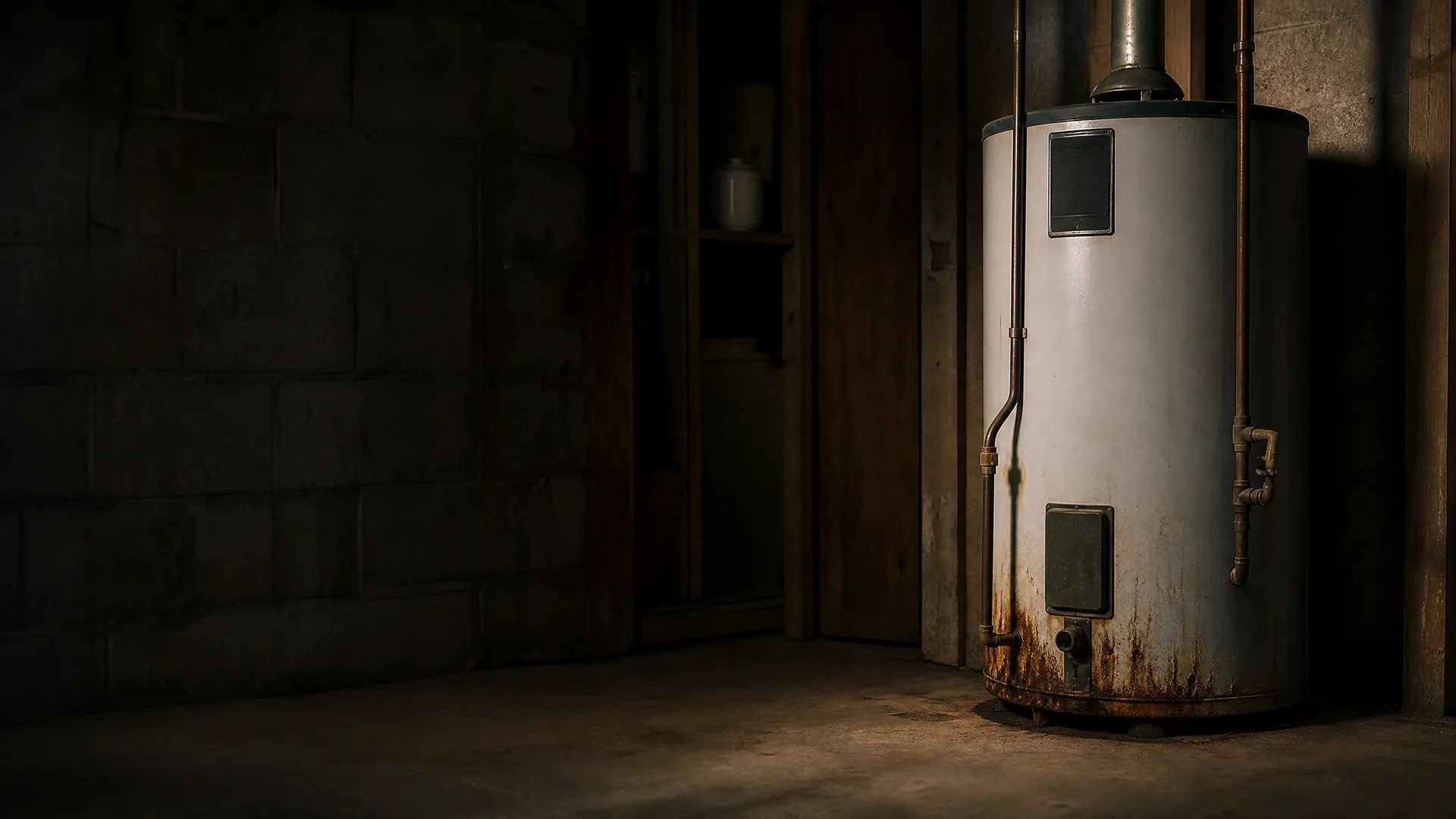
You go down to check on it before bed, and the concrete floor is cold under your feet. The rust streaks running down from the base look darker than you remember, trailing toward the drain like they've been there a while. You put a hand on the tank and it's still warm from the last run of dishes. Outside, the air is thick and still, the kind of muggy that doesn't let up even after dark. You crouch down and look closer at the base, at the small puddle collecting where the streaks end, and you already know you're not going to sleep on this one.
A pro who works on water heaters
A water heater install means tearing out the old unit, running new venting or gas lines if you're switching types, and sometimes rerouting electrical for a tankless unit's higher draw. That's not a job to hand to whoever answers the phone first. You'd normally spend an evening calling around, explaining the same thing about your rusted tank or your decision between tank and tankless to three or four different companies, then trying to compare quotes that aren't quite for the same work. Submitting your address and a few details here skips that. One contractor who installs water heaters in your area gets your request and follows up, instead of your number getting passed around to several at once. You still get to weigh tank against tankless with someone who's actually looked at your setup, your electrical panel, your space. That conversation is worth more than another hour of searching once you already know which way you're leaning.
How Each Type Actually Heats Water
- A tank heater keeps water hot around the clock, cycling on every so often to make up for standby loss.
- A tankless unit sits idle until you open a tap, then a flow sensor fires the burner or element within seconds.
- Gas tankless models need a dedicated vent rated for high temperature exhaust, not the old flue your tank used.
- Electric tankless units draw so much current they often need a new double breaker and heavier gauge wire.
- Tank units lose some heat through the walls of the tank itself, even when nobody's running water.
- A tankless unit sized too small will deliver hot water to one shower but run cold the moment a second tap opens.
A tank works like a kept pot. A thermostat checks the water inside and fires the burner or element whenever the temperature drops below its set point, whether or not anyone's home. That's what standby loss means in practice: the heater spends energy all day just holding water at temperature, then adds more when someone finally runs a tap. A tankless unit skips that entirely. No water sits waiting. A flow sensor inside the unit detects water moving the moment you turn a tap on, and within a few seconds it signals the burner or the heating element to start. Gas models push exhaust that's hotter than what a standard flue was built for, so the vent has to be sized and rated for that, not just connected to what's already there. Electric tankless units pull a lot of current in that same instant, often more than a single circuit was ever wired to carry, which is why a lot of installs call for a new double breaker and thicker wire. Sizing a tankless unit matters more than people expect. One sized for a single bathroom will heat that shower fine, then run cold the second someone starts the dishwasher or another shower at the same time, because the unit can only raise the temperature of so much flow at once. A tank doesn't have that problem, it just draws down its reserve until the reserve runs out.


A 50 gallon tank holds its heat all day on standby, so the energy it uses doesn't change much whether your family showers twice or five times.
A tankless unit only fires when a tap opens, so the energy it uses tracks how much hot water you actually run, not how many hours the tank sat waiting.
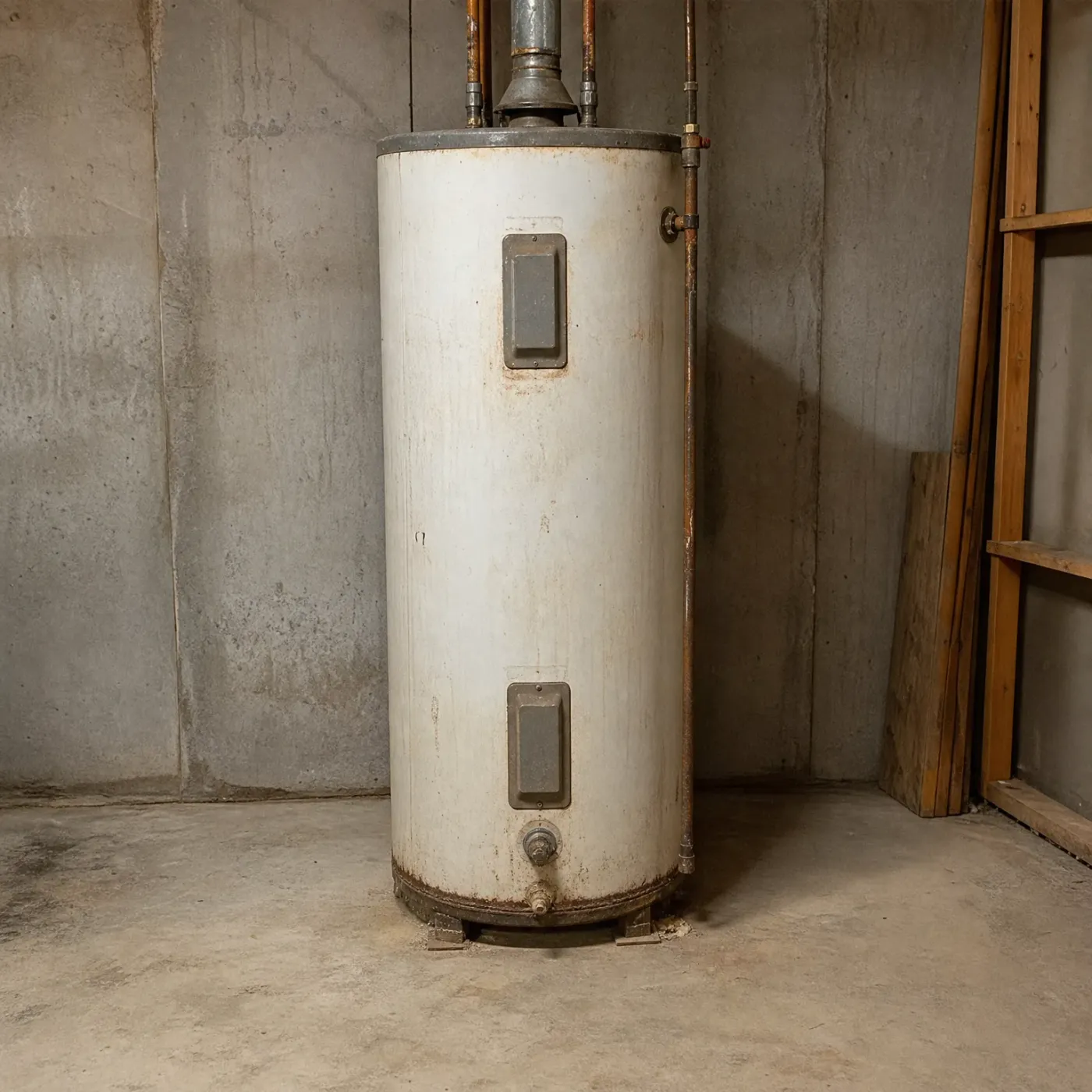
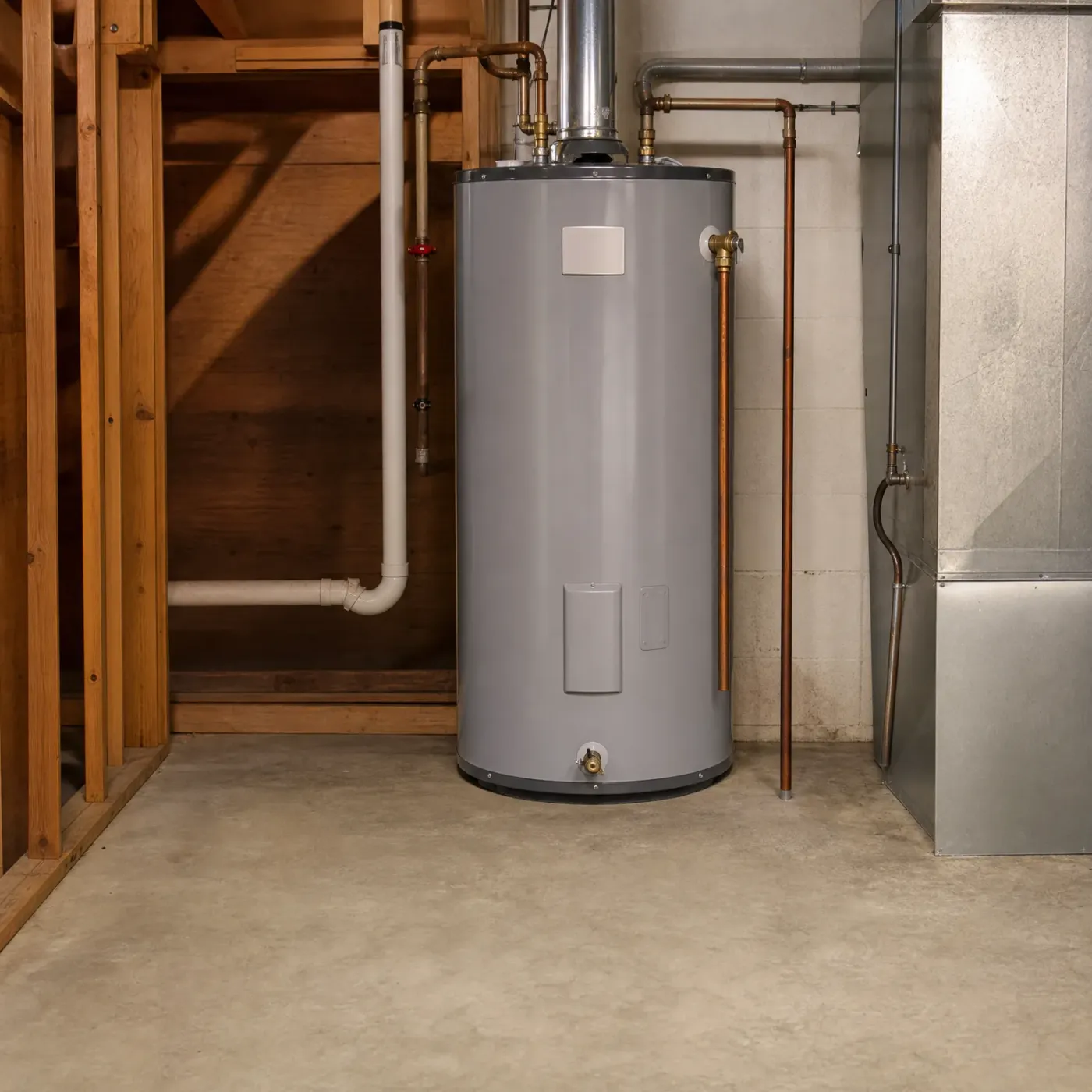

Water sits in the tank or the line goes cold until a tap opens.
A tank cycles its burner or element to hold temperature all day.
A tankless unit's flow sensor triggers the burner the moment you turn the tap.
Hot water reaches the faucet, either drawn from storage or heated on the spot.
61.2% of homes statewide heat with electricity
Most Texas homes run electric heat, and that includes the water heater in a lot of them. If yours is electric, a tank runs on the same 240 volt circuit it always has. A tankless electric unit draws much more at once, which is worth checking before you commit.
ACS 2020-2024 5-year B25040
A tank and a tankless unit both do the job, and which one fits your house comes down to what you already have running to it and how much hot water your household uses at once. If your electric service can handle a tankless unit's draw, it'll keep up without the standby loss of a tank. If not, a tank is the simpler install and the one that matches what's already there. Either way, the install involves venting or electrical work that depends on your specific setup, and that's not something to sort out over the phone with five different companies. Rather than calling around, explaining your situation again each time, and lining up quotes to compare, you can get matched with a contractor who installs water heaters in your area and have them reach out to you directly. You'll still need to decide between tank and tankless, but you won't be doing the legwork of finding someone qualified to install whichever you pick.





Get your water heater to the right pro
Skip searching for a water heater pro and answer a few questions instead.
You only hire the pro if you want to.