Tell us about the job
Takes about a minute. No obligation.
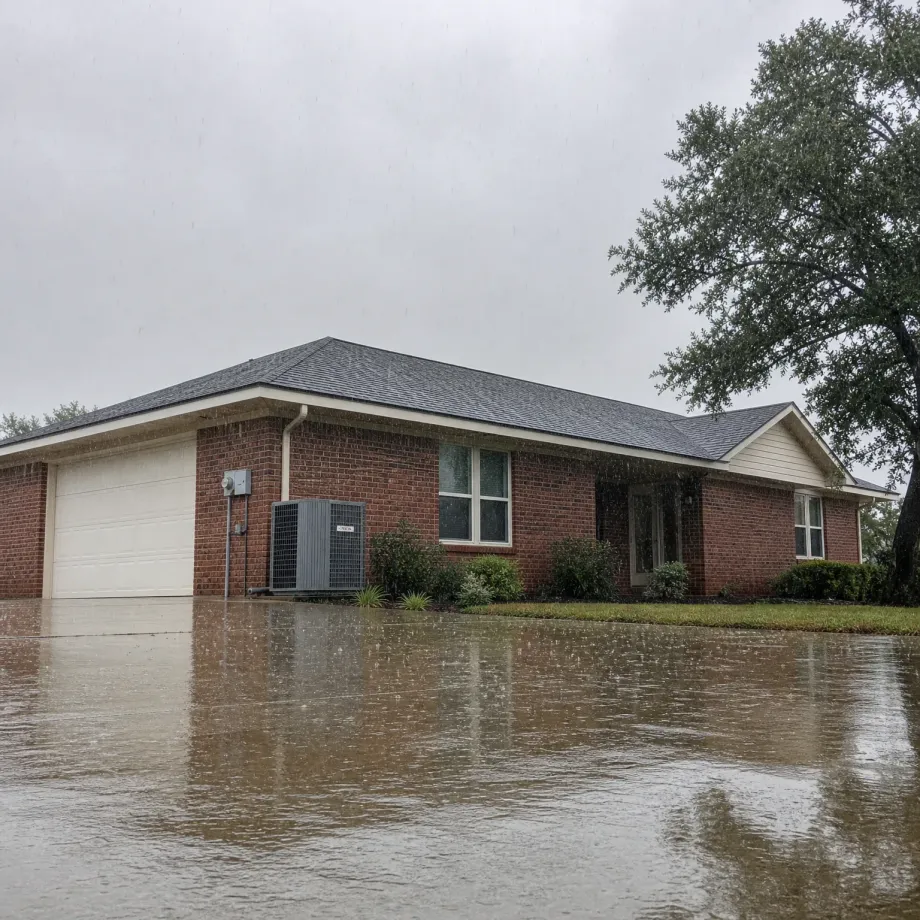
A contractor quoting a water heater installation in Llano County has to size the unit for a place where severe weather shows up with enough regularity to matter. 77 severe weather events were recorded in Llano County, Texas between 2015 and 2024. At that rate, a system here has carried a real but manageable load over its life, which means the weather is a factor in how a unit ages rather than the dominant one. Sediment accumulation, anode rod condition, and years of ordinary thermal cycling are what a contractor examines before drawing any conclusions about what drove the failure.
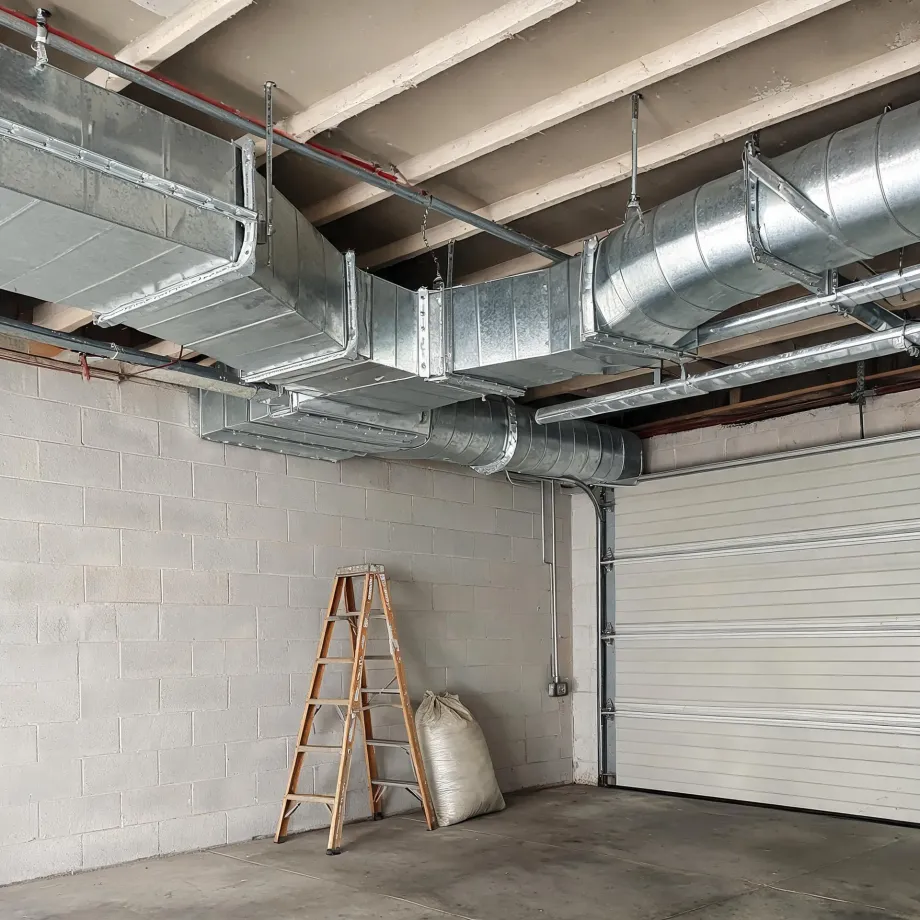
Ductwork routed for one generation of water heating equipment does not automatically carry what replaces it. Half the homes in Llano County, Texas were built in 1990 or earlier (2020-2024 ACS 5-year). In a house built then, the venting configuration, the available electrical service, and the path a new unit has to follow through the structure were all set for something that no longer runs. A contractor pricing a new water heater here has to read those existing conditions before the equipment choice means anything, because what the house already contains sets the real scope of the job.
What a Water Heater Installation Covers
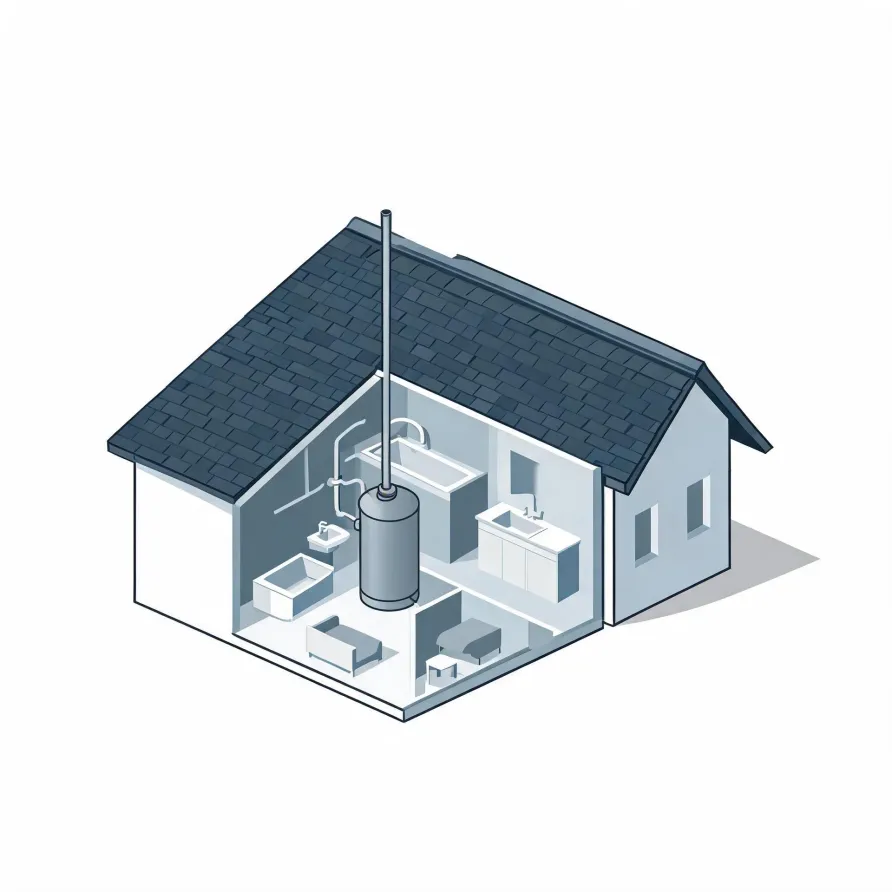
The tank or tankless unit is the centerpiece of the system. A storage tank unit sits in a utility closet, garage, or basement and holds a reserve of heated water ready for use. A tankless unit mounts to a wall and heats water only when a tap opens.
A pressure relief valve attaches directly to the tank and releases pressure if it climbs too high. The cold supply line brings water in, and the hot outlet line carries it to every fixture in the house. A drain valve at the base of the tank lets a contractor flush sediment when needed.
The drawing shows a typical layout, and a licensed contractor determines exactly what applies to your home and its existing plumbing.
Find a contractor in Llano CountyLlano County, by the numbers
77 severe weather events were recorded in Llano County, Texas between 2015 and 2024.
NOAA National Centers for Environmental Information, Storm Events Database, bulk CSV export, events 2015-01-01 through 2024-12-31.Half the homes in Llano County, Texas were built in 1990 or earlier (2020-2024 ACS 5-year).
U.S. Census Bureau, 2020-2024 American Community Survey 5-Year EstimatesLlano County, Texas holds 15,788 housing units (2020-2024 ACS 5-year).
U.S. Census Bureau, 2020-2024 American Community Survey 5-Year EstimatesOwners occupy 76.5% of the occupied homes in Llano County, Texas (2020-2024 ACS 5-year).
U.S. Census Bureau, 2020-2024 American Community Survey 5-Year EstimatesSevere Weather Events in Llano County
Water heaters work harder when the weather swings hard, and Llano County gets its share of weather. A unit sized and installed for local conditions holds up better than one spec'd for somewhere else.
77 severe weather events, 2015–2024. Source: NOAA National Centers for Environmental Information, Storm Events Database.