Tell us about the job
Takes about a minute. No obligation.
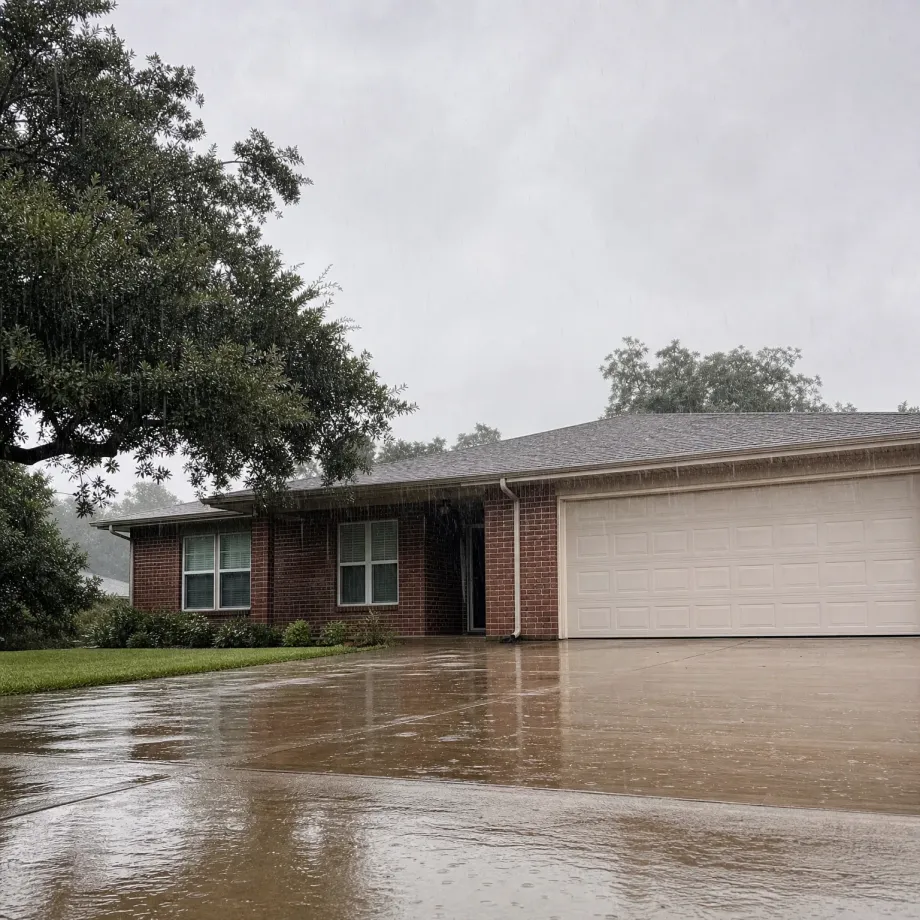
A contractor quoting a water heater installation in Smith County has to account for what the local climate actually does to equipment, because severe weather here is a standing operating condition. 285 severe weather events were recorded in Smith County, Texas between 2015 and 2024. At that rate, a water heater that is correctly sized for a mild environment gets undersized for this one, and the mounting, connections, and materials a contractor specifies need to hold against a climate that tests them regularly. What works in a quieter area is a different answer than what works here.
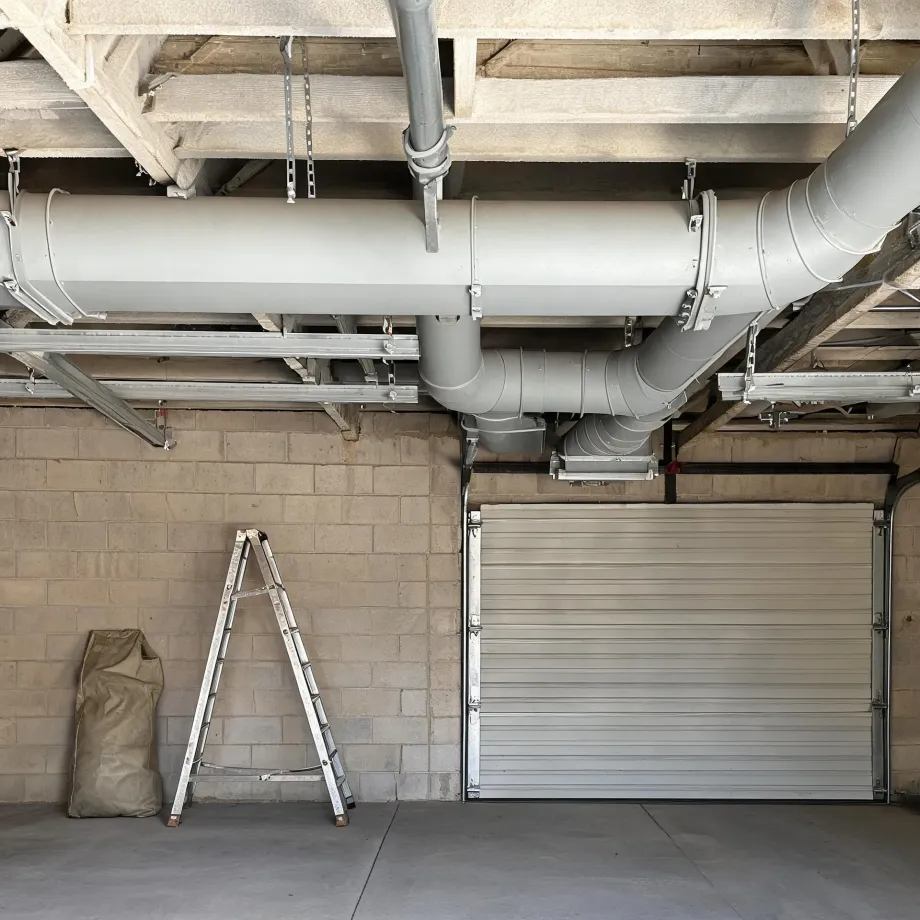
Ductwork laid in for an earlier generation of equipment shapes what a contractor can and cannot do with a new water heater installation. Half the homes in Smith County, Texas were built in 1986 or earlier (2020-2024 ACS 5-year). That means a substantial share of houses here have infrastructure that was never designed around the loads and clearances a modern unit requires. A contractor working in this county checks what is already routed before pricing anything else, because the existing runs and connections are where the job either fits or does not.
What a Water Heater Installation Covers
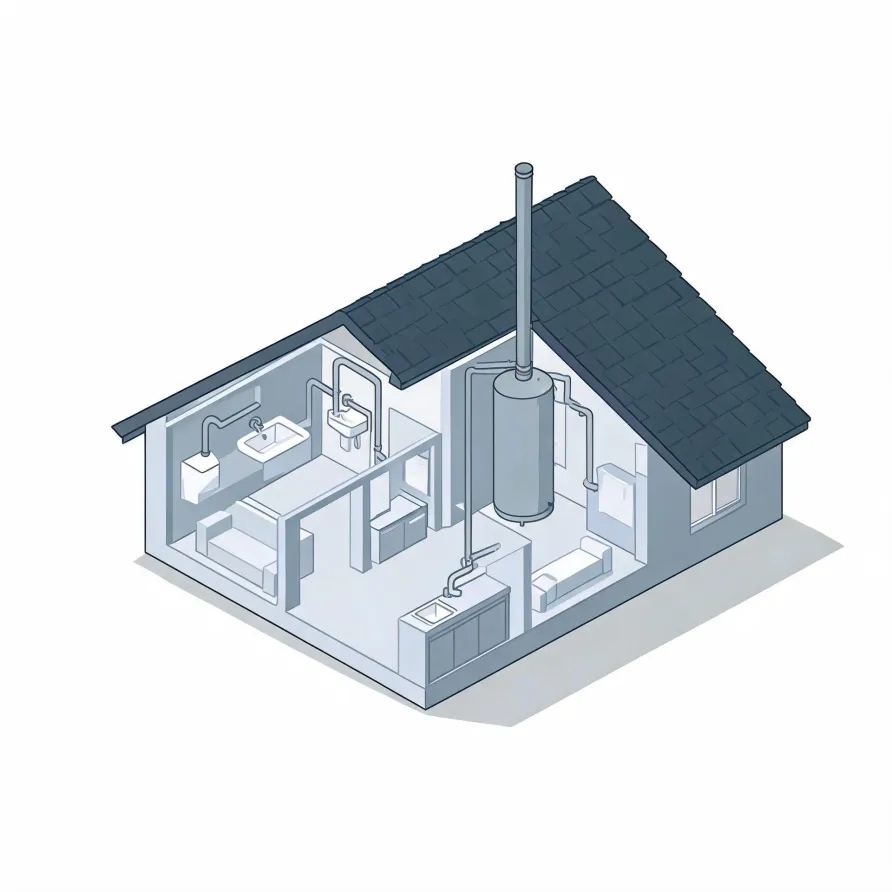
The tank or tankless unit is the center of the system. In a traditional setup, a storage tank sits in a utility closet, garage, or basement and holds a supply of heated water ready to draw from. A tankless unit mounts to a wall and heats water on demand as it passes through.
Connecting to the unit are cold water supply lines feeding in and hot water lines carrying the output to every fixture in the house. A pressure relief valve mounts directly on the unit as a safety device, and a drain line runs from it to a safe discharge point nearby.
The drawing shows a general layout of these components, and a licensed contractor determines exactly what applies to your home and its existing setup.
Find a contractor in Smith CountySmith County, Texas, by the numbers
285 severe weather events were recorded in Smith County, Texas between 2015 and 2024.
NOAA National Centers for Environmental Information, Storm Events Database, bulk CSV export, events 2015-01-01 through 2024-12-31.Half the homes in Smith County, Texas were built in 1986 or earlier (2020-2024 ACS 5-year).
U.S. Census Bureau, 2020-2024 American Community Survey 5-Year EstimatesSmith County, Texas holds 99,673 housing units (2020-2024 ACS 5-year).
U.S. Census Bureau, 2020-2024 American Community Survey 5-Year EstimatesOwners occupy 68.8% of the occupied homes in Smith County, Texas (2020-2024 ACS 5-year).
U.S. Census Bureau, 2020-2024 American Community Survey 5-Year EstimatesSevere Weather Events in Smith County
Weather in Smith County puts real demands on water heaters, pushing them to work harder and cycle more often than manufacturers' baseline assumptions account for. How much strain that adds is a local question, and the record below gives you a ground-level picture of what the equipment here contends with.
285 severe weather events, 2015–2024. Source: NOAA National Centers for Environmental Information, Storm Events Database.