
Water heater making popping noises in Austin, TX

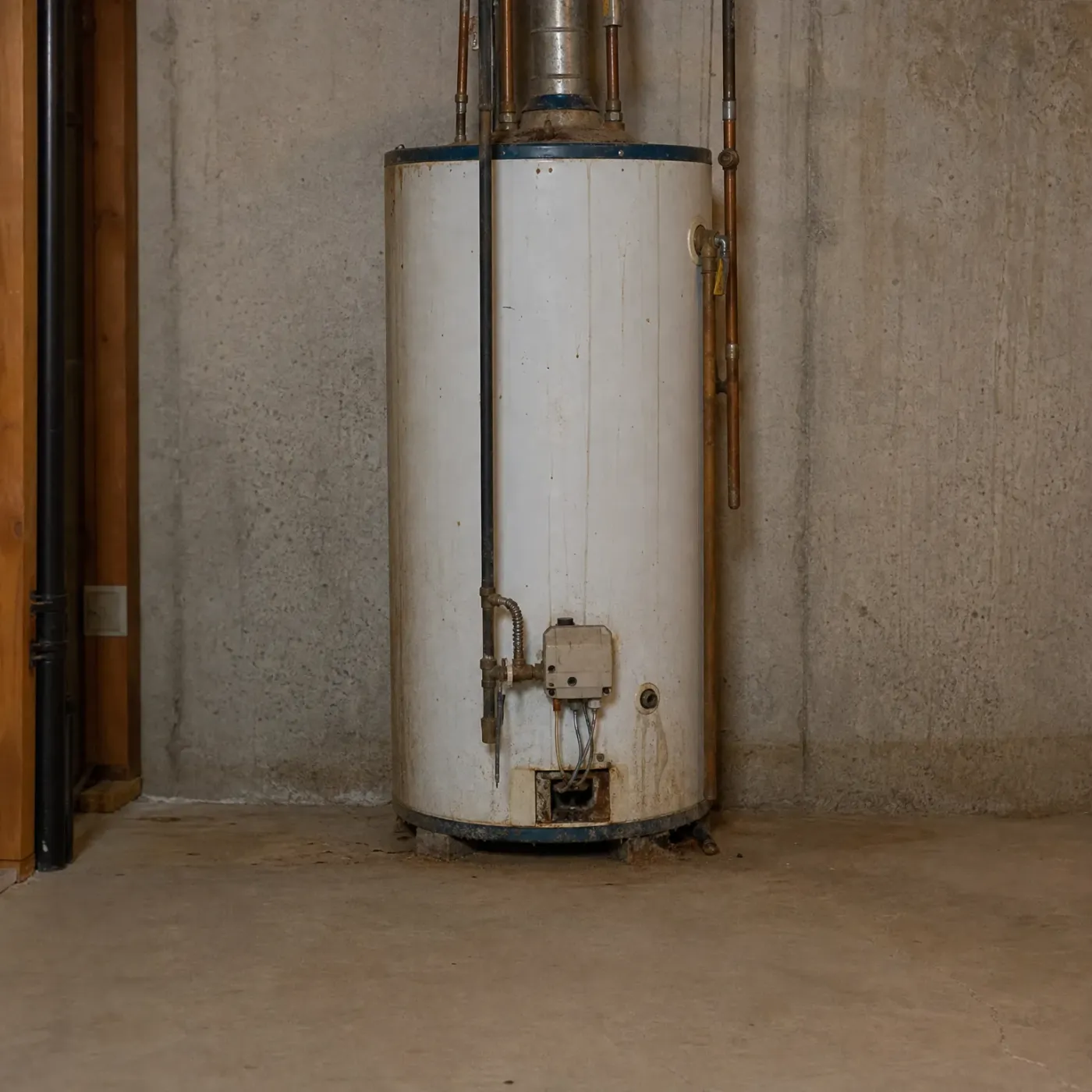
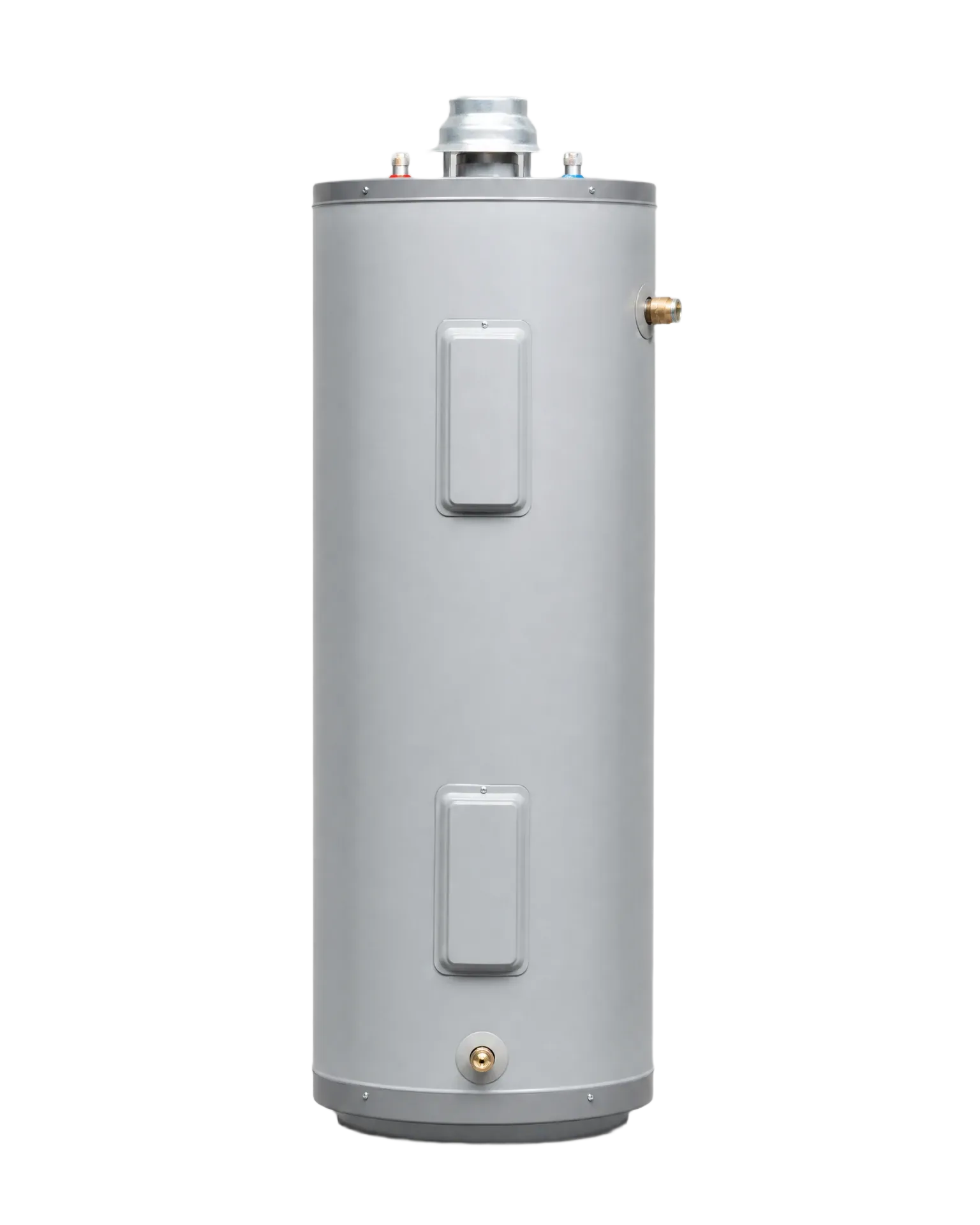
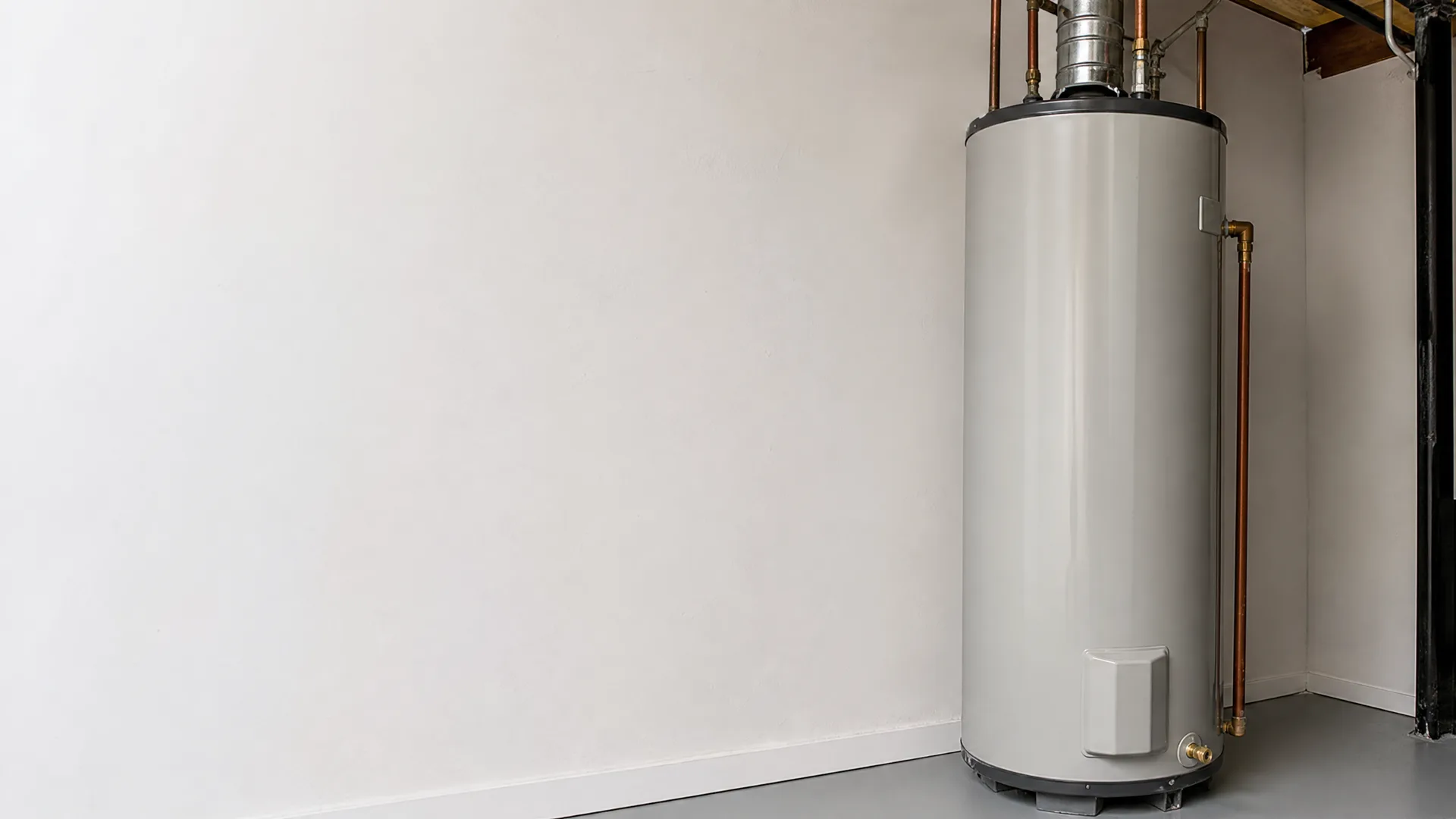
A gray cylindrical water heater with two rectangular access panels, a brass side fitting, a bottom drain valve, and a metal flue collar on top, photographed against a plain light gray background.
Skip the calls

Why is my water heater making a popping noise?

You walk by the water heater and hear popping or rumbling from the tank, sometimes loud enough to notice from another room. It's not a sound a water heater is supposed to make, so you want to know whether it's dangerous or just a sign of something ordinary that's been building up for a while.

That's sediment built up on the bottom of the tank

Water heaters sit for years without ever being drained, and the minerals in the water settle to the bottom of the tank. Austin water runs hard enough that this layer builds up steadily. Once it's there, the burner or heating element has to heat through it, and water gets trapped underneath. As that trapped water boils, it pops and knocks its way out through the sediment. The popping itself won't damage the tank right away, but the sediment layer makes the heater work harder to do the same job, and over time it wears on the tank and the heating element. A tank making this noise should be looked at, since a technician can tell how much has built up and whether the tank is still in good shape underneath it.

  1. Sediment settles and hardens on the bottom of the tank.

  2. Water gets trapped underneath that layer of sediment.

  3. The burner or element heats the tank from below.

  4. Trapped water boils before it can rise and mix.

What does popping mean for a water heater like yours?

  • 2.23 people per household on average

    Travis County households average 2.23 people, which puts most water heaters here in daily use by more than one person, so a tank that's been popping for a while has had plenty of chances to build up sediment.

  • Half the homes here were built by 1999

    Half the homes in Travis County were built in 1999 or earlier. If yours is one of them, check whether the water heater is original to the house or was swapped out since, because that tells you how many years of sediment you're dealing with.

  • 56.8% of homes heat with electricity

    56.8% of homes in Travis County heat with electricity, and most of those run on an electric water heater too. An electric tank pops from sediment around the lower element the same way a gas tank pops above its burner.

ACS 2020-2024

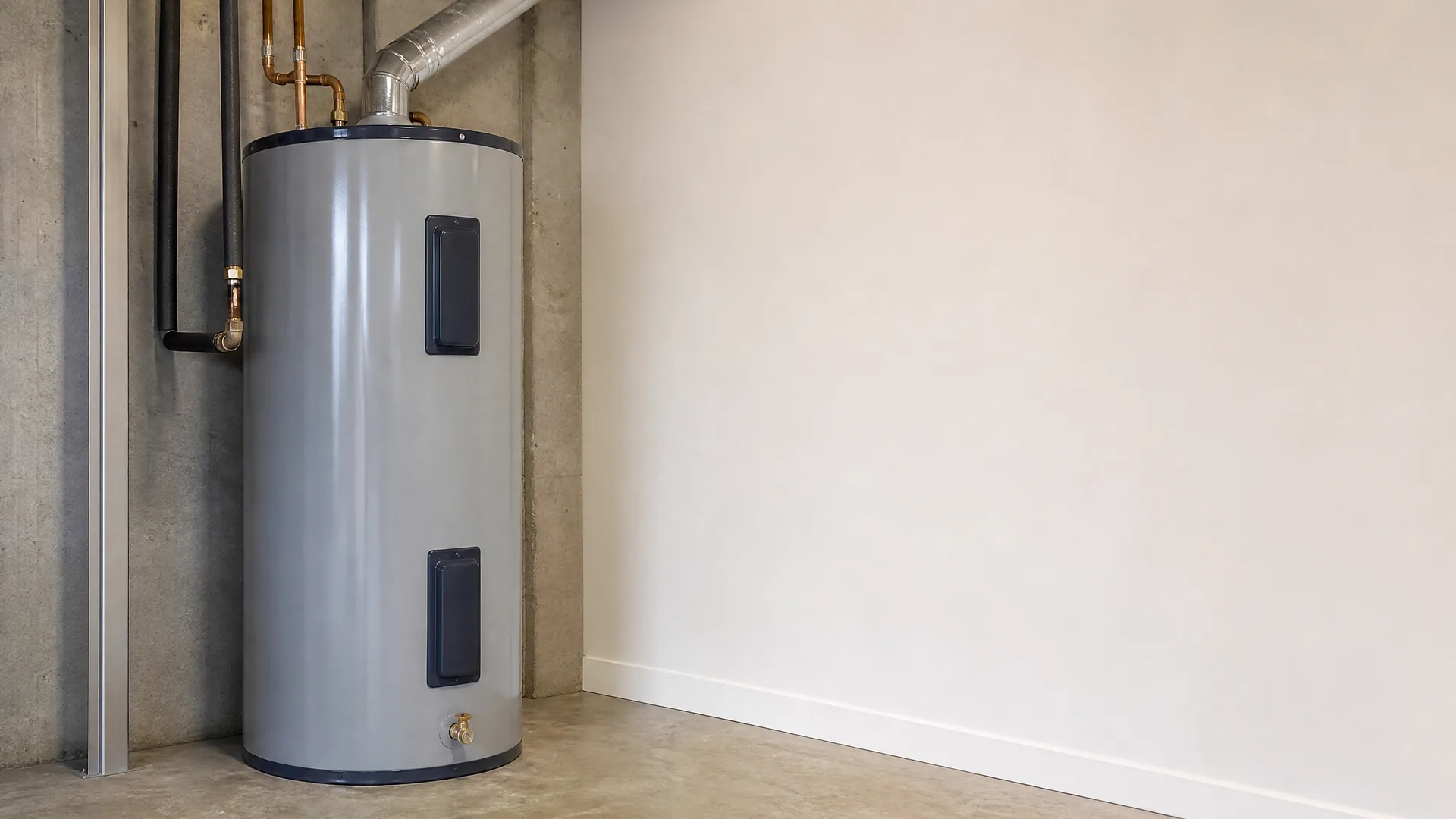
A gray cylindrical electric water heater with two access panels stands against a concrete wall beside copper and black pipes, next to a plain white wall and concrete floor.

Leave it alone

The popping keeps going and might get louder, but the tank still heats water on schedule. Nothing is leaking, the pilot or element still works, and you can live with the noise. Sediment keeps hardening on the bottom and the tank keeps working harder to push heat through it, but plenty of homeowners put off a flush for a long time without anything failing. The risk is the buildup doesn't reverse itself.

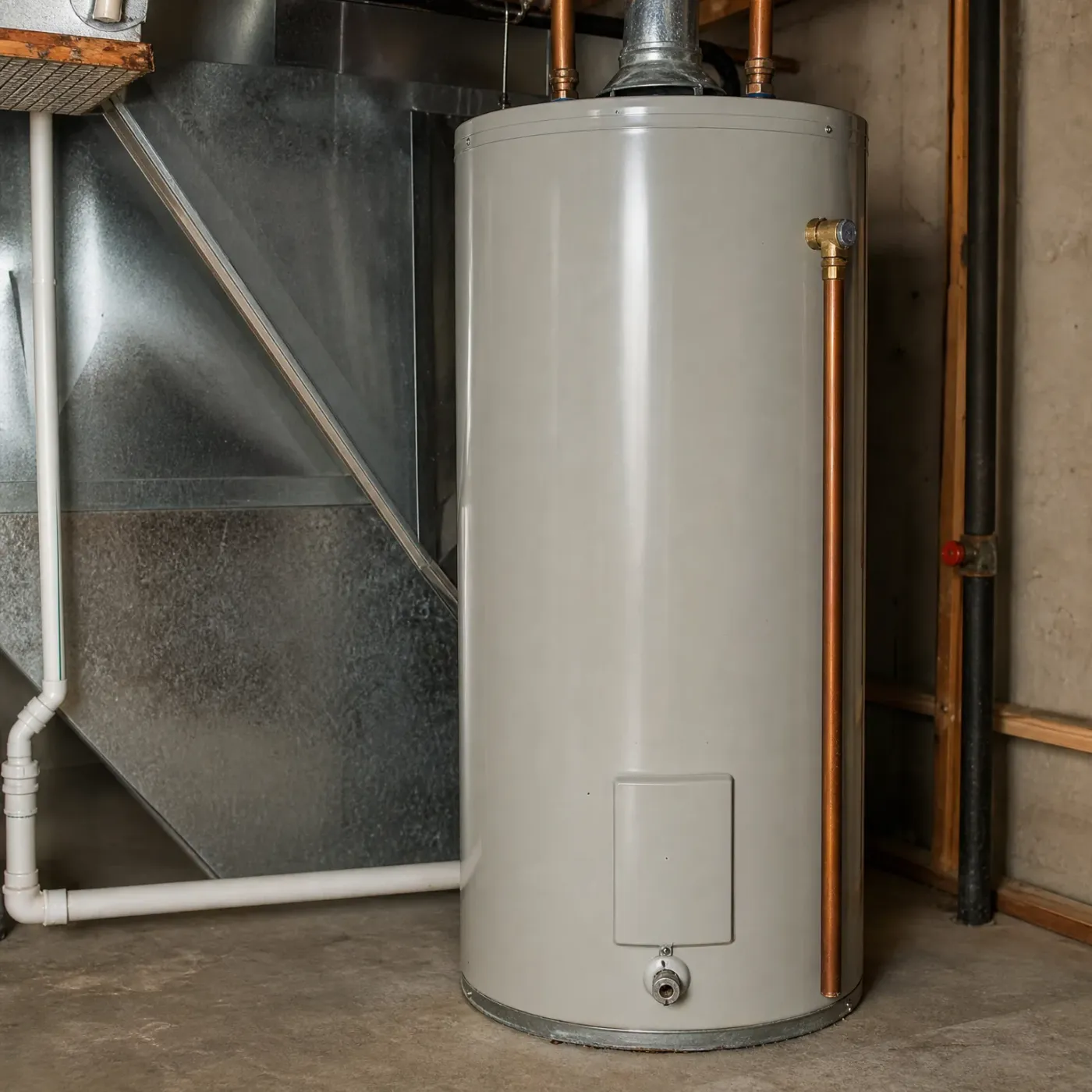
A tall gray cylindrical gas water heater with copper pipes and a metal flue stands in the corner of a room with plain white walls and a gray floor.

Have it looked at

A licensed plumber can flush the sediment out, or tell you if the tank has taken enough damage that flushing won't help anymore. Someone local who services these tanks every season knows what a popping Austin water heater usually means once they've had a look at the fuel type and the tank's age. You get one plumber scheduled, not a handful of quotes to compare, and the sediment problem gets solved instead of just explained.

Flush the Tank or Replace It

Flush the tank

  • A contractor can drain the tank and flush out the loose sediment sitting on the bottom, which is where the popping starts.
  • This doesn't always clear sediment that's baked hard against the steel over time, especially in a tank that's gone years without a flush.
  • It's worth doing before the tank gets any older, since hardened sediment only gets thicker and harder to remove the longer it sits.
  • A flush won't fix a tank that's already pitted or weakened underneath the sediment layer.
  • Afterward the popping should quiet down, and the burner or element won't be working as hard to heat through that buildup.

Replace the tank

  • If the tank is old enough that sediment has likely hardened into a thick crust, a flush may do little and replacement makes more sense.
  • A new tank starts clean, so there's no buildup insulating the bottom and no popping from day one.
  • Replacement is the better call if the popping shows up alongside rust-colored water, a leak, or a tank that's already had problems.
  • It costs more upfront than a flush, but you're not paying a contractor to flush the same tank again in another year or two.
  • A local contractor who works on tanks around Austin every week can tell you from the unit's condition which option actually makes sense for yours.
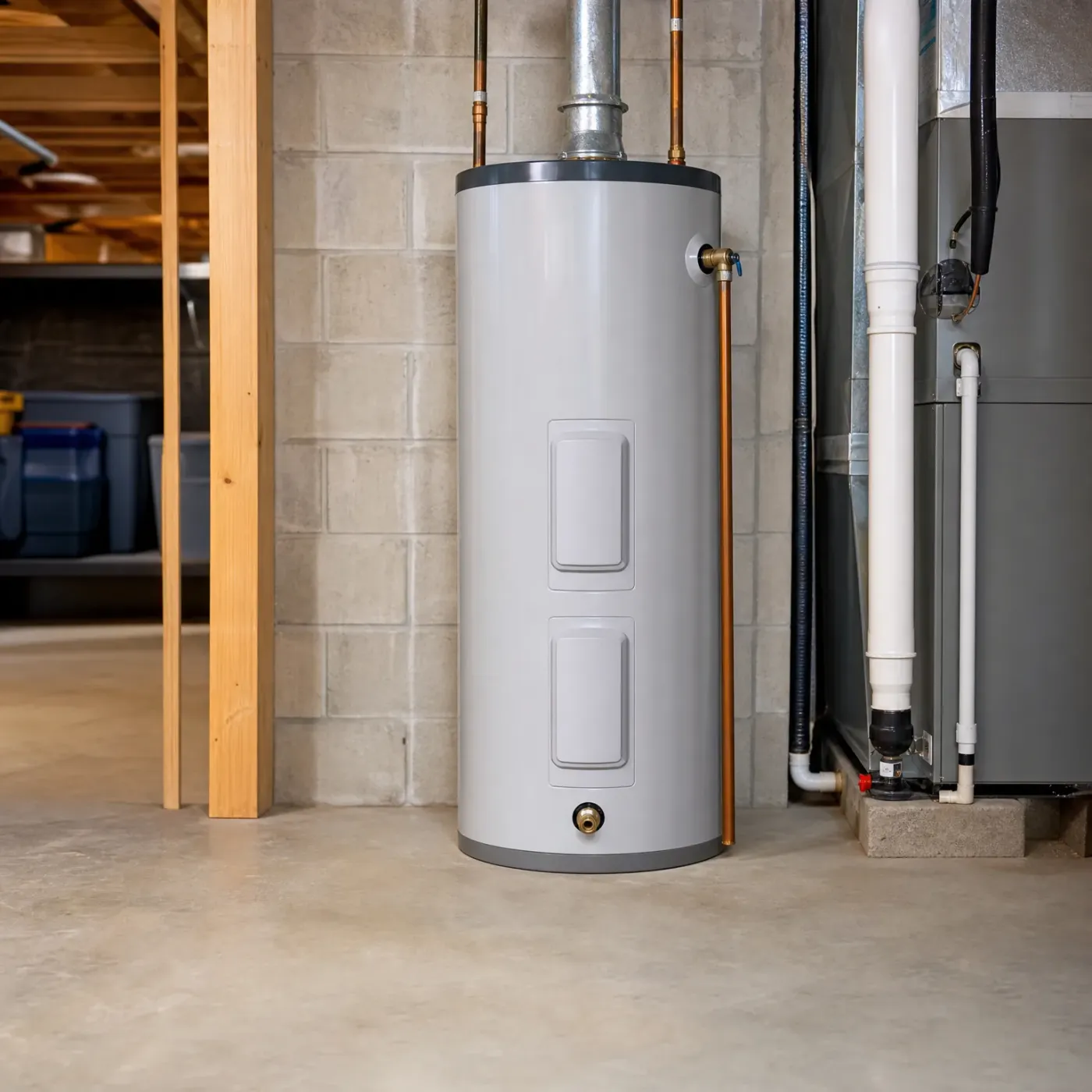
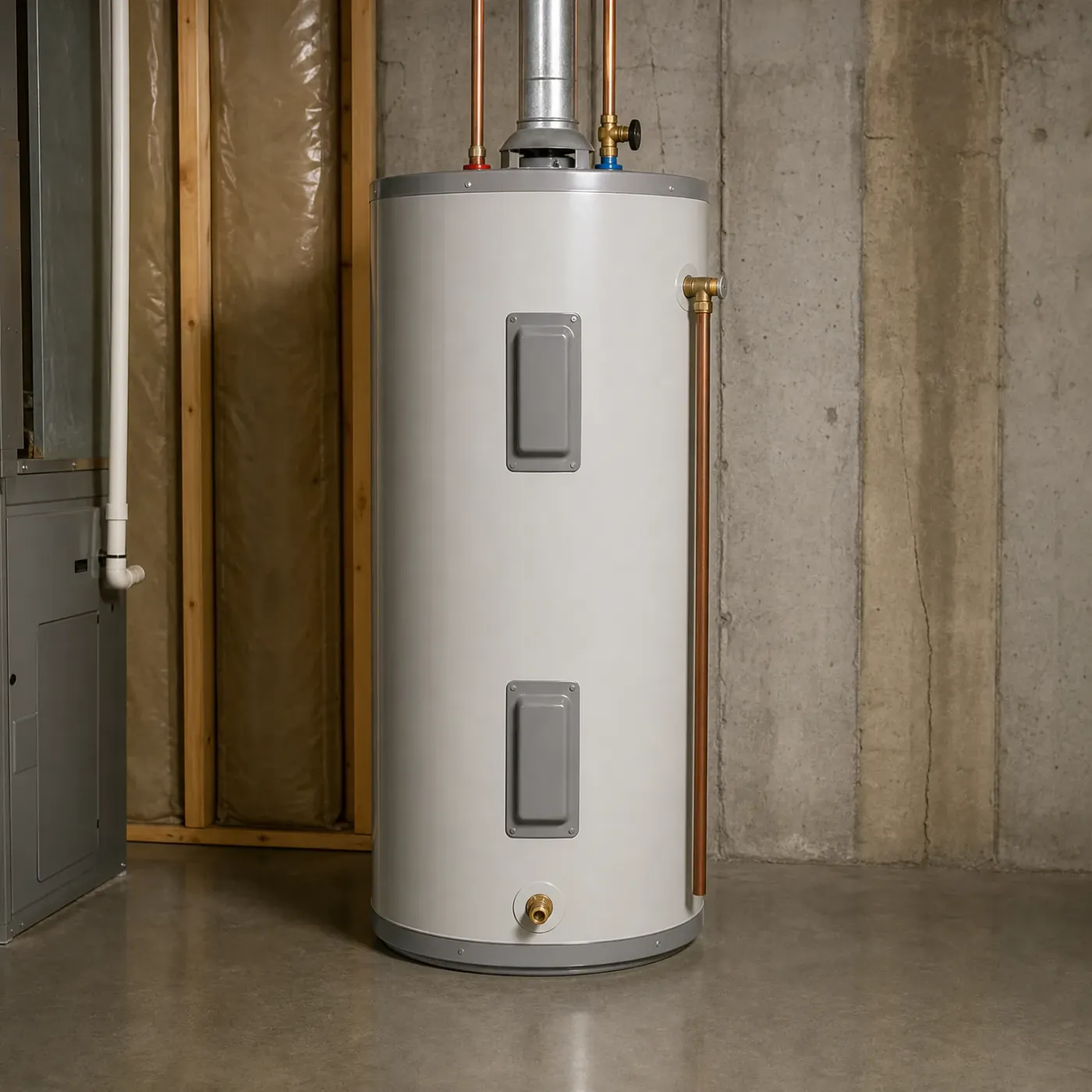
A white cylindrical water heater with two access panels, copper supply pipes and a metal flue, standing on a concrete floor against a concrete wall beside insulated wood framing and a gray electrical panel.

Working the way it should

This tank is making hot water without complaint. The fittings are tight, the flue vent sits clean at the top, and the panels on the front haven't needed attention. Popping usually starts well before a water heater looks like this.
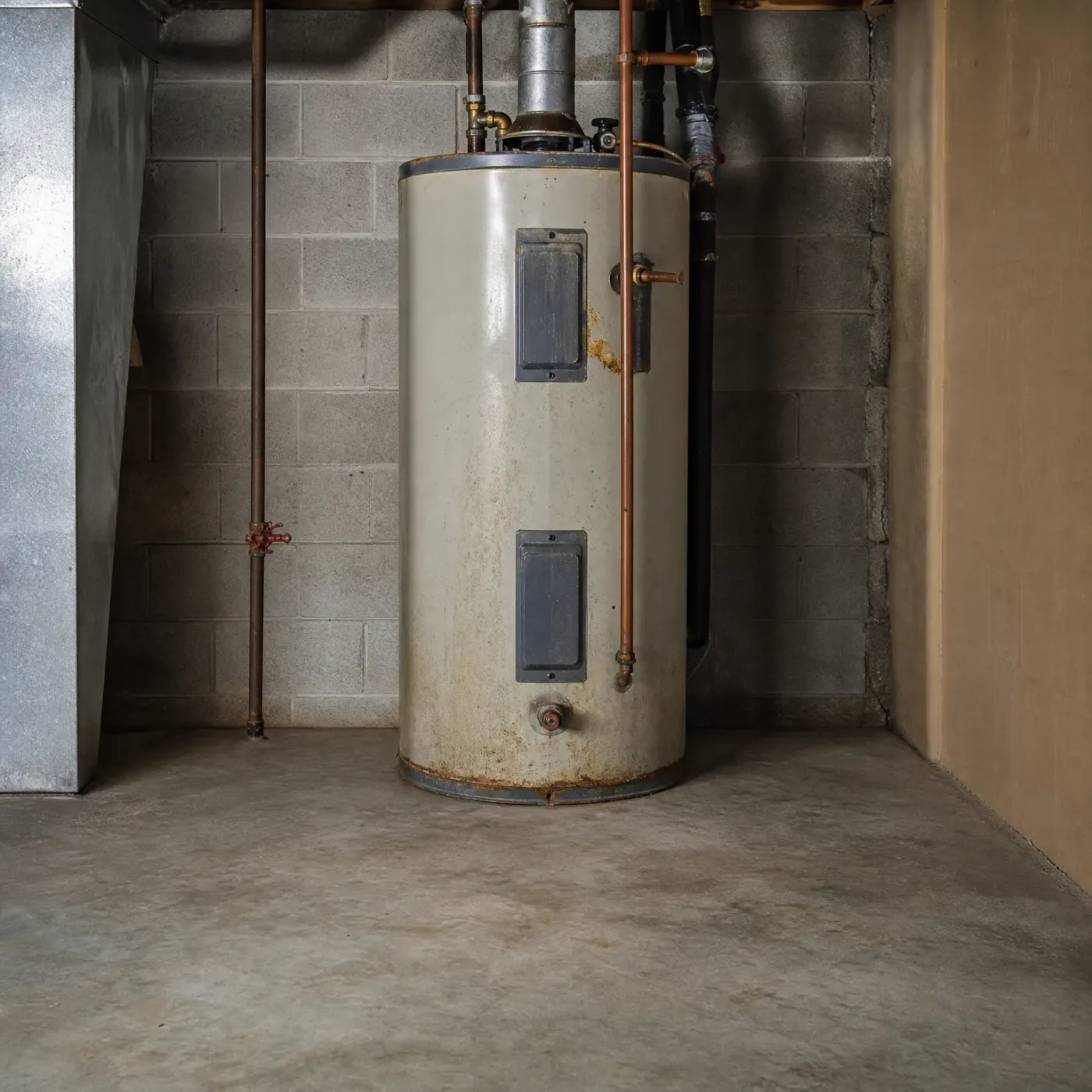

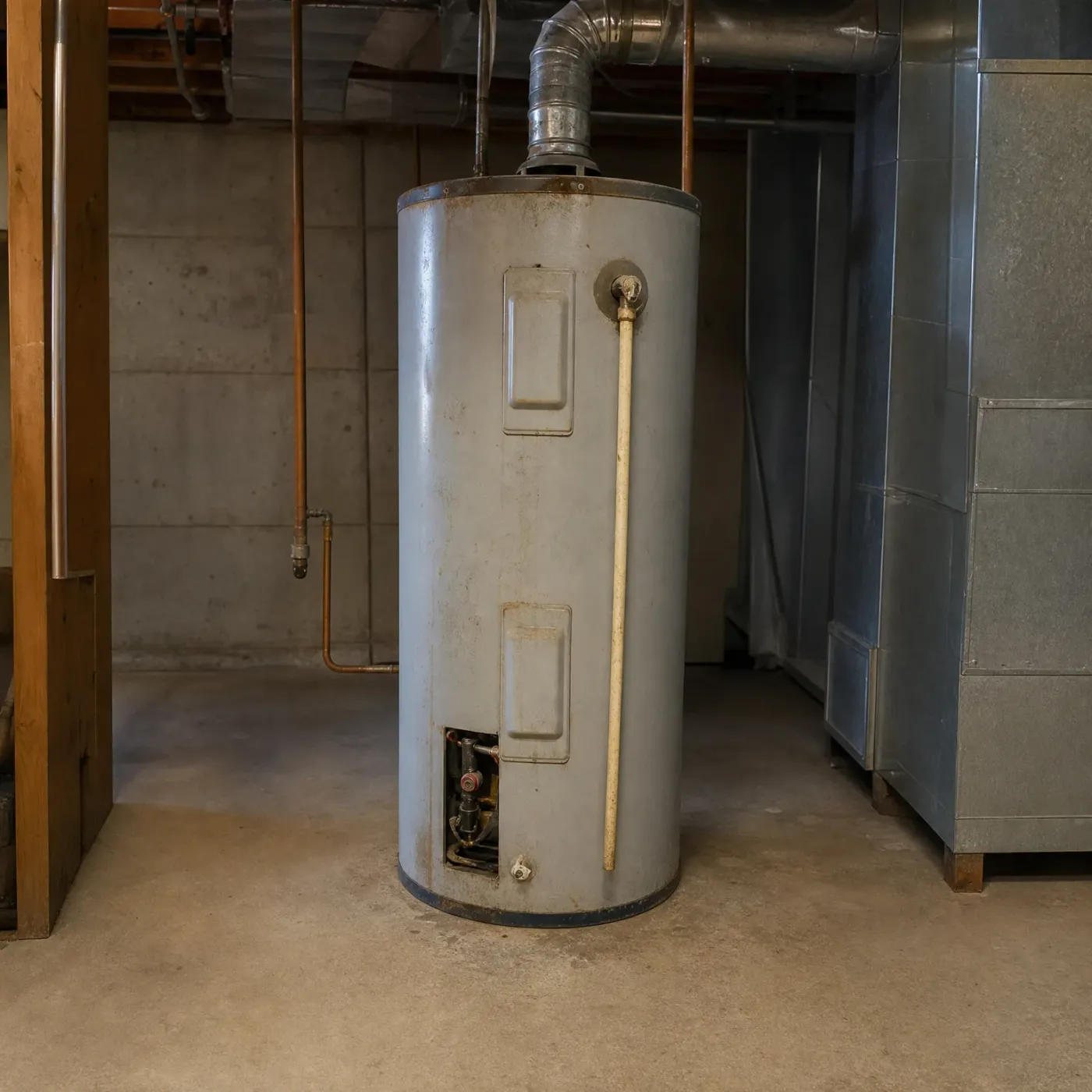
An aging cream-colored water heater with rust streaks and two access panels stands on a concrete floor against a concrete block basement wall, with copper and black pipes running up to the ceiling and a metal duct at left.

Years of sediment catching up with it

Rust has worked through the white coating and the tank shows its age. A water heater that's been popping for a long stretch and goes untreated can end up looking like this, with sediment buildup adding stress the steel wasn't built to take forever.

A gray-haired bearded man in a dark knit sweater sits on a light gray sofa in a sunlit living room, looking to his left, with a framed artwork, a potted palm, and a curtained glass door behind him.
A middle-aged man in a dark green sweater sits on a light grey sofa looking toward a sunlit window, with a wooden shelving unit, lamp and potted plants in the background.
A man in a dark green sweater sits on a light grey sofa in a sunlit living room, looking to his left, with a shelving unit, houseplants, framed art and a large window behind him.
A gray-haired bearded man in a dark green sweater sits on a light gray sofa in a sunlit living room with a potted plant, framed picture, and dark shelving in the background.

A gas or electric water heater holds the same amount of water whether it's new or ten years old, but a tank lined with hardened sediment is heating less of it. The rest is doing the work of insulating that layer instead of warming your water.

That's why a tank that pops tends to run longer to hit the same temperature, and why the noise rarely shows up alone. Most homeowners notice slower hot water or a higher power bill around the same time they first hear it.

Power here costs 13.43 cents per kilowatt-hour

Most homes in this area heat water with electricity, and at 13.43 cents per kilowatt-hour that's cheap compared to a lot of the country. But a tank coated in hardened sediment still draws the same power to heat less water, so the popping you're hearing is tied to a bill that's higher than it should be even with low rates.

EIA-861 2025

An older gray gas water heater with a metal flue pipe stands on a concrete basement floor beside ductwork and exposed copper piping.
Before you get your water heater repair
A gray cylindrical water heater with copper pipes stands against a concrete block wall in a basement, next to white PVC piping and a gray furnace, with wood framing and storage bins at left.
After you get your water heater repair
A beige cylindrical water heater with copper pipes and a brass valve stands on a concrete floor in a basement beside galvanized ductwork, white PVC piping, and a black vertical pipe along a concrete wall.

No calling every shop in Travis County

A licensed pro who repairs water heaters in Travis County gets your request.

One form replaces the calls you'd make to find a water heater pro.

Answer a few questions

Sending the form costs nothing.

Is the popping getting worse, or just louder in your head?

You'll usually hear it right when the burner or element kicks on, a few sharp pops or a low rumble that fades once the water's heated. Some mornings it's barely there. Other times it's loud enough that someone in the next room asks what that noise is. You might also notice the tank takes a little longer to deliver hot water, or the bottom of the unit feels warmer than usual to the touch. None of that means it's about to fail. But sediment that's hardened against the steel stays there and keeps building, and a tank working harder than it should to heat the same amount of water is a tank with less life left in it.

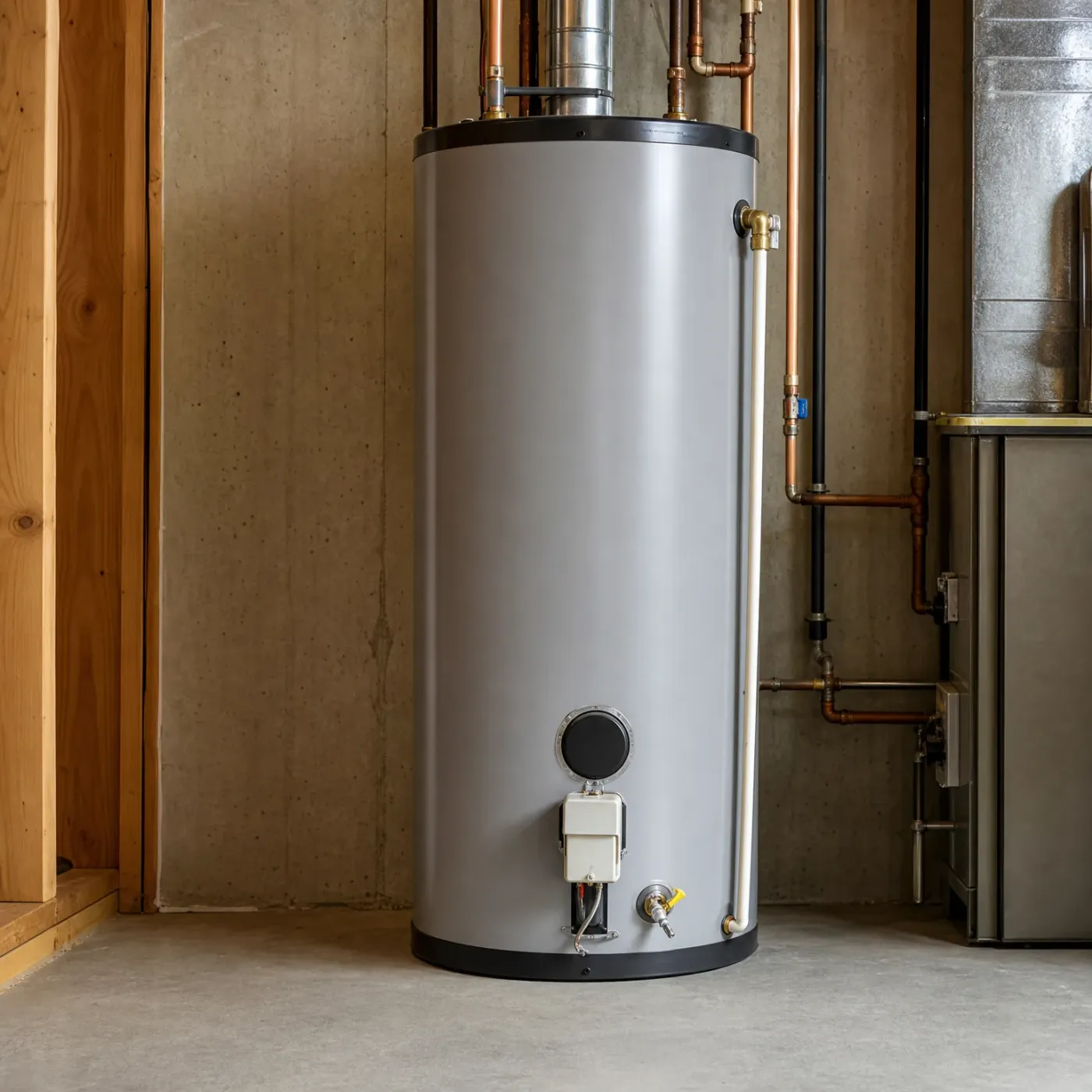
A gray cylindrical water heater stands on a concrete floor against a concrete wall, with copper and black pipes running overhead and a metal duct and dark equipment cabinet to the right.
Copper lines run clean, the flue sits straight, and the burner fires without a sound beyond the usual click.
An old white gas water heater with rust stains, copper pipes and a flue stands in the corner of a concrete-walled room with a bare concrete floor and a wooden door frame at left.
Rust creeping down the tank and a flue pipe going soft at the seams mean the popping has had years to work on this one.

Sediment at the bottom of the tank doesn't heat the same way water does. It bakes hard against the steel and holds heat right at that surface, so the metal underneath gets hotter than the water sitting above it. Water trapped in and under that layer turns to steam, and when those pockets collapse, that's the pop you hear. On a gas water heater this happens on a cycle, right when the burner fires and the tank floor gets hot enough to trap steam again. On an electric water heater it works a little differently, because the lower element sits down inside the sediment itself, heating the sediment instead of the water around it. None of this happens overnight. The layer builds slowly, which is why the noise tends to creep in over months instead of showing up all at once. And that one spot on the tank floor takes the heat over and over, in a way the rest of the tank never does, while the steel there keeps absorbing more than it was built to handle.

What's actually happening inside the tank

  • Sediment that's baked hard against the steel conducts heat poorly, so the metal underneath it runs hotter than the water above.
  • That overheated spot is where steam pockets form and collapse, which is the mechanism behind every pop you hear.
  • On a gas tank the popping tracks with the burner cycle, since that's when the hottest point on the tank floor gets hot enough to trap steam.
  • On an electric tank the lower heating element sits inside the sediment layer itself, so it's heating the sediment directly instead of the water around it.
  • A tank that's never been flushed builds this layer in a slow, steady way, which is why the noise usually gets worse over months rather than appearing overnight.
  • Repeated overheating at that one spot on the tank floor stresses the steel in a way the rest of the tank never experiences.
A woman with shoulder-length dark brown hair in a cream knit cardigan sits in an upholstered armchair beside a window, looking off to the side, with a white bookshelf and potted plant blurred behind her.
A woman with her hair in a bun sits wrapped in a beige knitted blanket on a couch, holding a sleeping child against her chest in a warmly lit room with a lamp and houseplant in the background.
A wooden table in the foreground holds a closed laptop and a ceramic mug of coffee, with a spindle-back wooden chair behind it, a beige wall with paneled wainscoting, a window at left, and a kitchen counter with a cutting board, bowl of fruit and greenery at right.

Popping means sediment, and sediment doesn't clear itself

The noise is steam working its way through hardened sediment on the bottom of your tank. A flush can clear it if it hasn't baked on too long. If it has, the tank is running hotter than it should and working toward a leak, not away from one. Either way, someone needs to look at it and tell you which situation you're in.

That's the part worth handing off. Instead of searching through contractors, calling a few, explaining the popping and the rumbling again on each call, then sitting with quotes trying to guess who actually knows tanks, you get matched with one licensed contractor local to Travis County who works on water heaters all year and knows what sediment like this usually means by the time it's loud enough to notice. No other companies calling you about it. Just someone who can tell you, standing in front of your tank, whether it's a flush or a replacement.

A gray upholstered sofa with a beige cushion and knit blanket beside a curtained window, with a white mug and a book on a dark wooden table in the foreground and a lit lamp in the background.
A shingled two-story house with lit windows and stone accents at dusk, with a stone paver walkway and landscape lighting leading past ornamental grasses toward a calm bay under an orange and blue sky.

Water Heater Repair

Describe it once

Step 1 of 3: Equipment
  • A beige upholstered armchair with an olive cushion sits in a sunlit corner beside a wooden side table holding a ceramic vase with leafy branches, under a framed abstract artwork, on a woven rug over a wood floor.
    • A Travis County pro who repairs water heaters gets your request.
    • Your request goes to a Travis County pro who takes water heater jobs.
  • A gray outdoor condenser unit on a concrete pad surrounded by dark gravel, beside a dark wood-sided wall with an electrical disconnect box and a stone veneer wall with a small evergreen shrub.
    • After this form, you can stop searching for a water heater pro.
    • One request and the search for a pro is handled.
  • A beige upholstered oversized armchair with a matching cushion and a knit throw draped over one arm, beside a round wooden side table holding a vase of greenery near a curtained window, with a framed landscape print on the wall and a woven rug on a wood floor.
    • Skip calling shops to ask who repairs water heaters in Travis County.
    • Answer a few questions instead of calling shop after shop.
  • Sunlit living room corner with a beige upholstered sofa, cushion and knitted throw, a round wooden side table holding a white ceramic vase of leafy branches and a small wooden bowl, a framed landscape painting on the wall, and a window at right.
    • A licensed pro who works in Travis County gets your request.
    • Only one pro gets your request, so you hear from one company.