Noise alone won't tell you the depth
A tank can sound the same whether there's an inch of sediment or four. Draining and flushing it is the only way to know how much has built up.
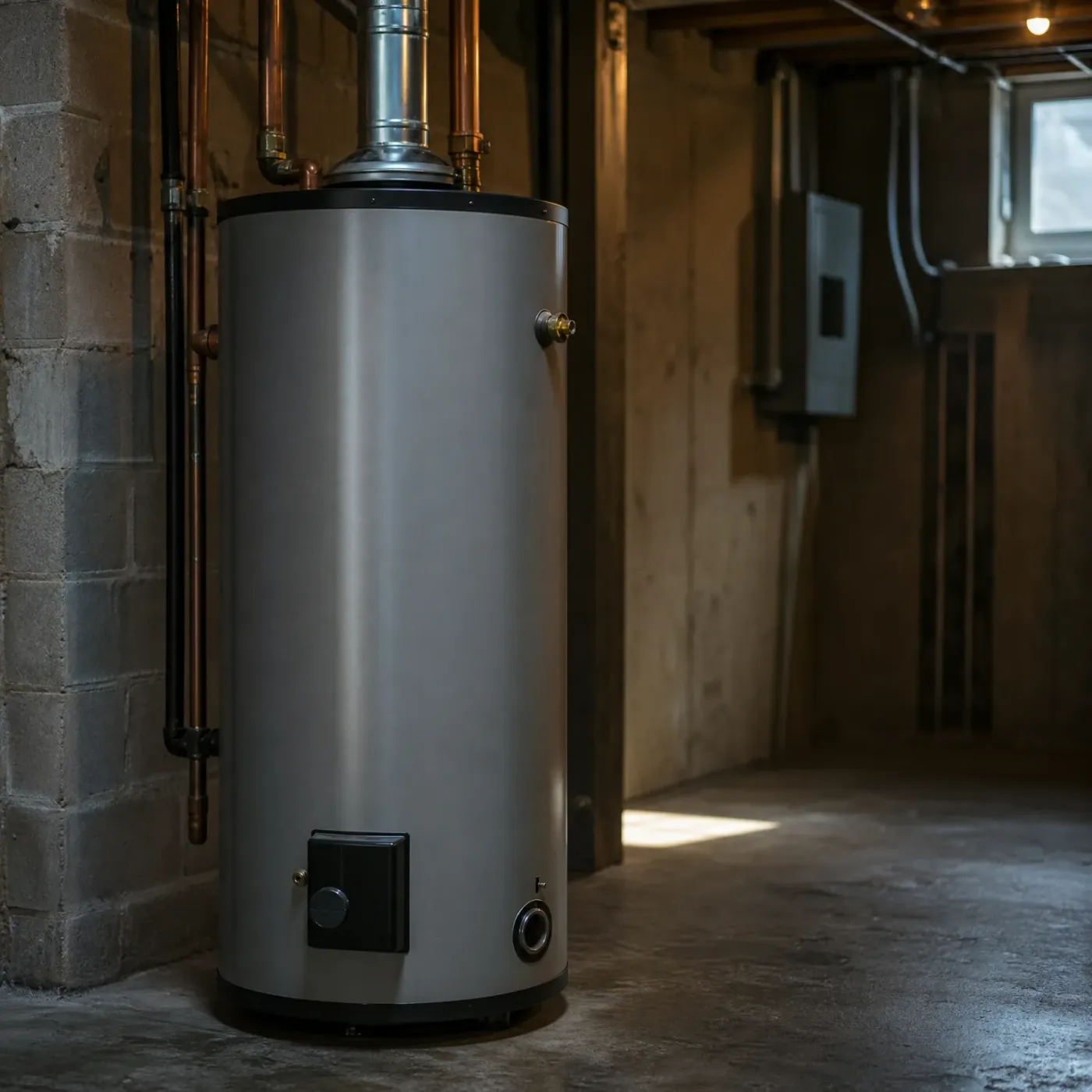
Find a water heater repair pro in Hidalgo County
That popping sound is usually sediment built up at the bottom of the tank, cracking and knocking around as the water heats. It's common with McAllen's hard water. This page gets into why it happens and what it means for your tank. Once you're ready, get matched with a plumber who can take a look.
Get matchedThat popping or rumbling is water boiling underneath a layer of sediment sitting on the bottom of the tank. Hidalgo County's water is hard, and the minerals in it settle to the bottom over time, forming a crust. When the burner or heating element fires, the water trapped under and inside that crust heats past boiling before it can escape, and the steam bubbles push through the sediment, which is what makes the popping and knocking you hear. It's not dangerous by itself, but it means the tank is working harder than it should to heat your water, since that sediment layer sits between the heat source and the water above it. Left alone, the buildup keeps growing, the noise usually gets louder over time, and the tank itself wears faster than it would otherwise.
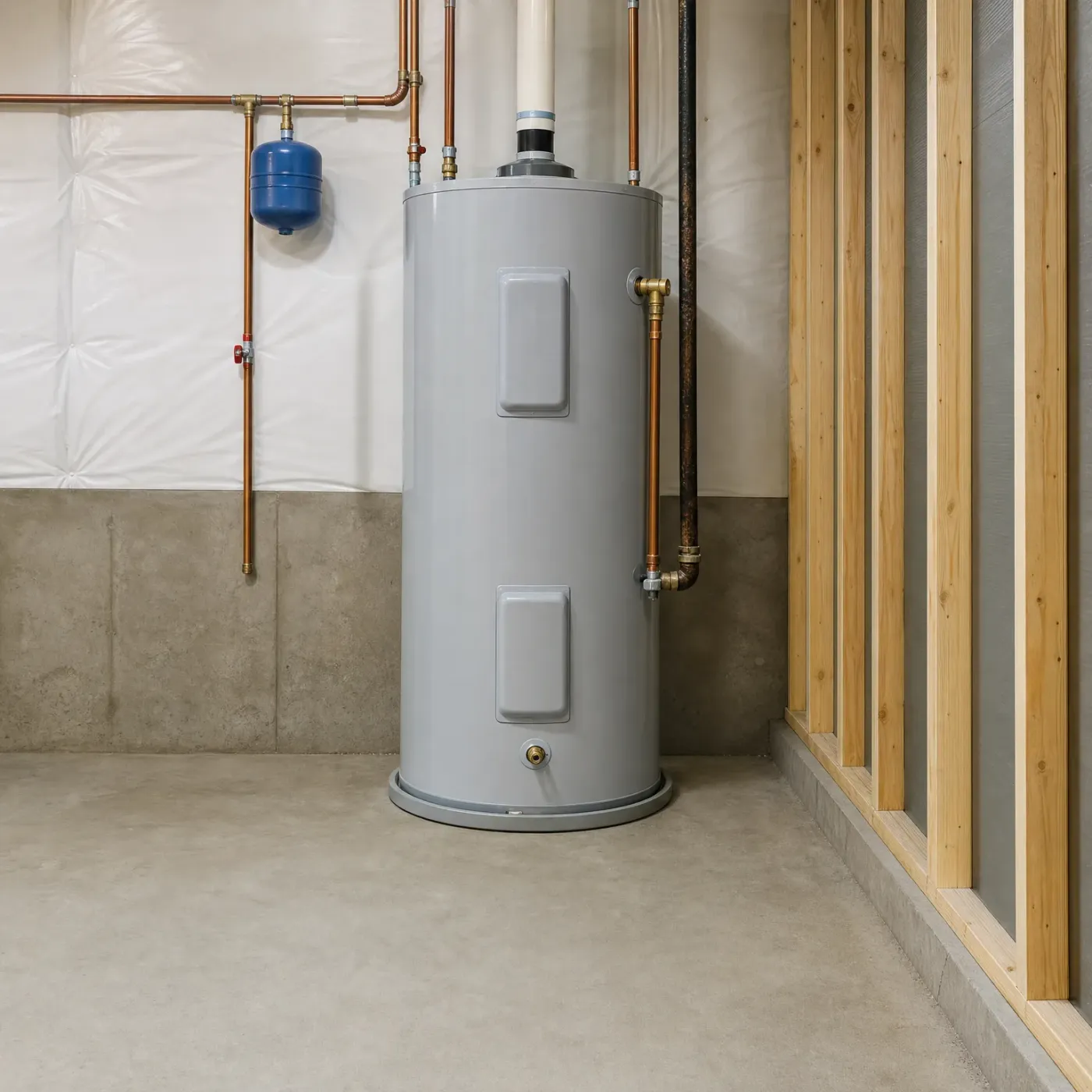
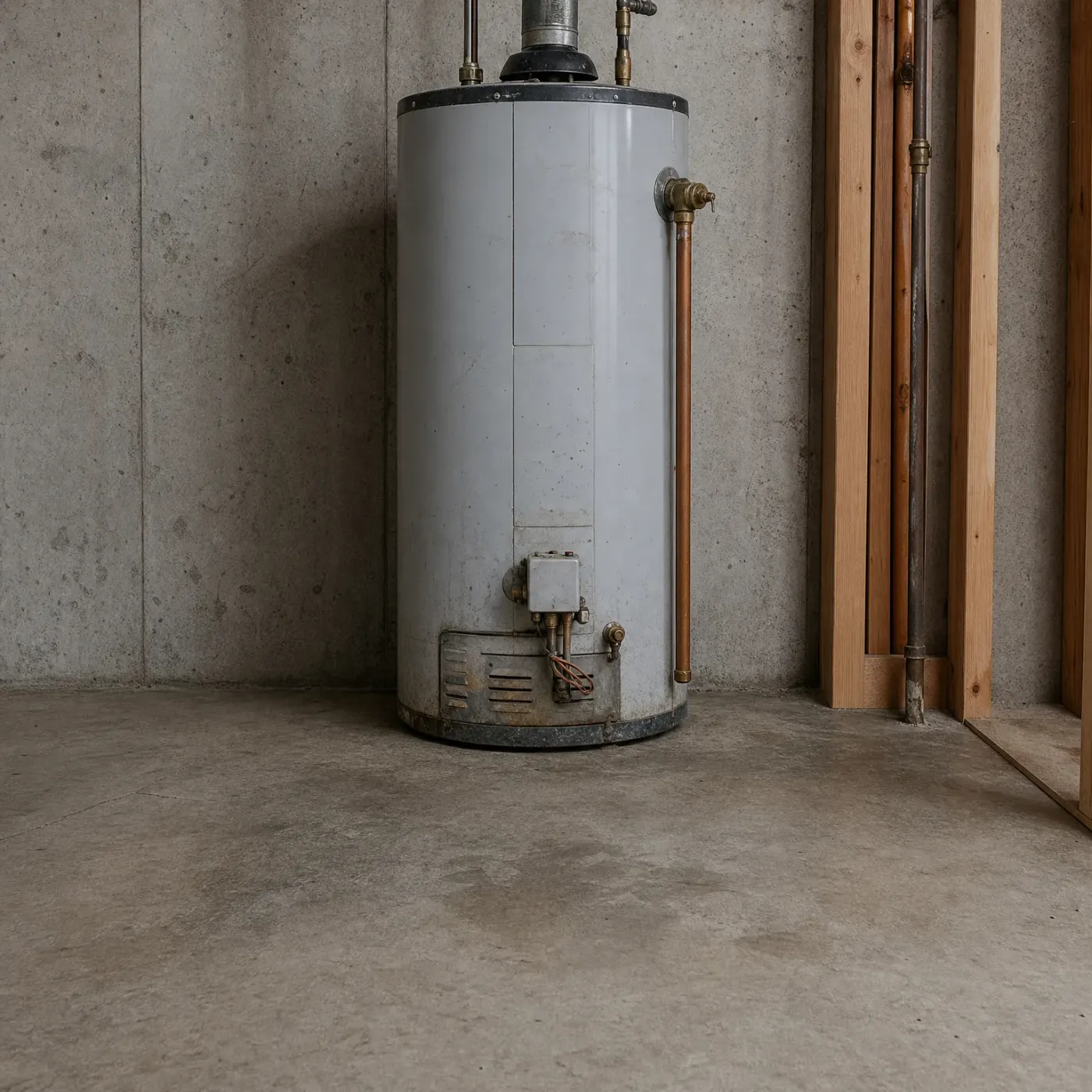
Hot water can't hold onto dissolved minerals the way cold water can, so as the tank heats, those minerals drop out and settle at the bottom. In Hidalgo County that process runs faster because the water coming into the tank is already hard. Over time the loose grit packs down into a crust, and that crust is where the noise comes from. On a gas tank, the burner sits directly beneath it, and the heat forms little pockets of steam inside the layer that collapse and pop as the water around them cools. On an electric tank, it is the lower heating element that gets buried first, since sediment settles toward the bottom of the tank where that element sits, so a popping electric unit usually means the lower element is working through a layer the upper one hasn't seen yet. None of this happens overnight. The sound builds slowly, a little more each month, as every heating cycle lays down another bit of mineral on top of what is already there. By the time it is loud enough to notice, the tank has likely been running with that layer between the burner or element and the water for a while, which means it is spending more energy to do the same job. Draining the tank clears out what is still loose, but a crust that has had months to harden rarely comes apart just by letting the water run.




Once sediment starts building up on the bottom of the tank, the burner has to push heat through that layer before it ever reaches the water. That means more gas or electricity to get the same hot shower you've always had. The crust also holds heat against the steel underneath it, and that's the kind of stress that cracks a tank over years rather than overnight. Hidalgo County's hard water doesn't let up either, so even after a flush clears things out, the minerals start settling again, and the popping tends to come back within a few months. If this has been going on a while, check whether your hot water is taking longer to show up at the tap, or whether there's rust near the pilot or burner area. The noise is usually loudest in the morning or after the burner's run longest, since that's when the trapped water underneath the sediment has had the most time to turn to steam. And if the buildup's heavy enough, it can work its way into the drain valve, which makes flushing the tank later a harder job than it should be.
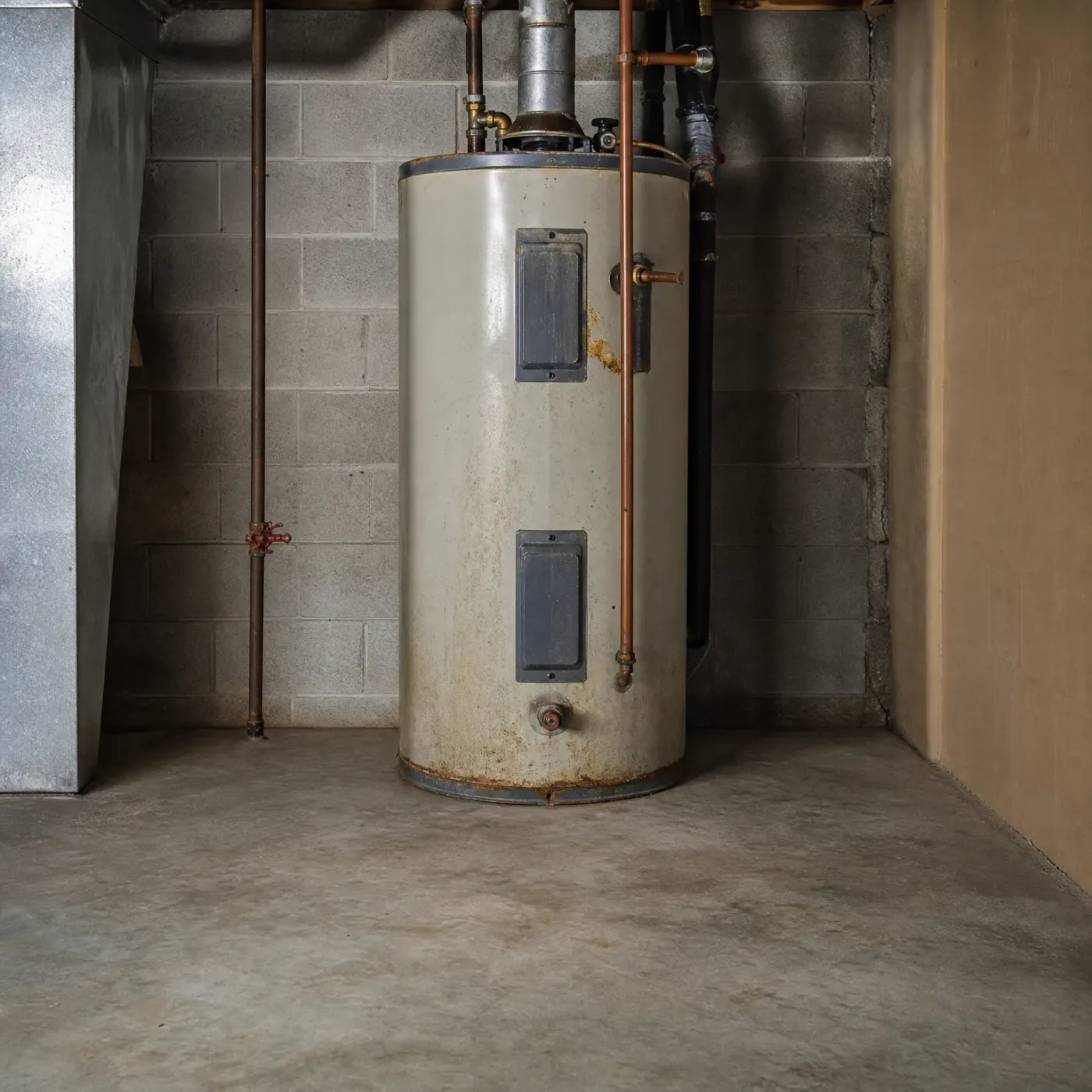
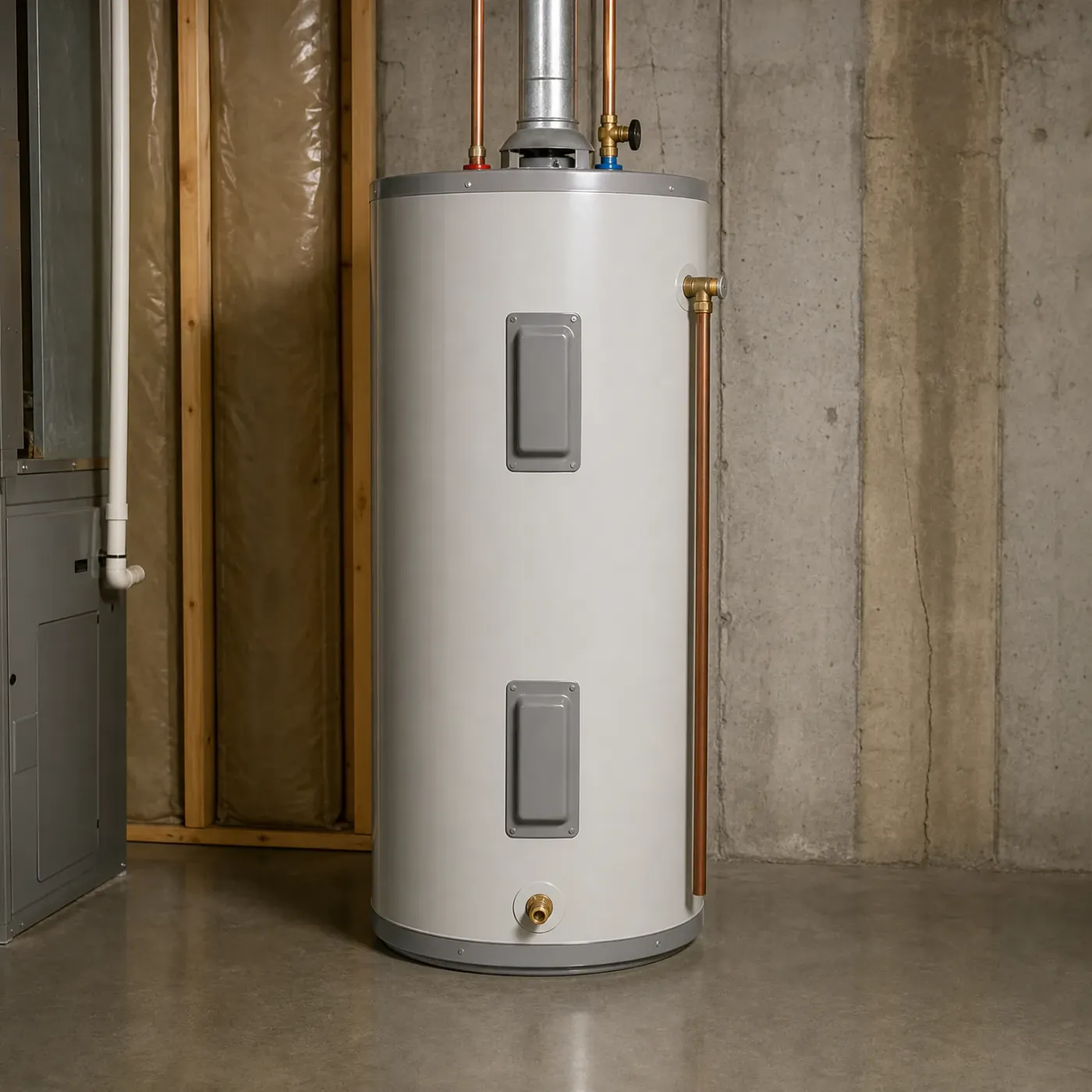
A tank can sound the same whether there's an inch of sediment or four. Draining and flushing it is the only way to know how much has built up.
The burner sits directly beneath the sediment layer, so popping shows up sooner and harder than it does on an electric tank with the same buildup.


Power here runs 15.77 cents per kilowatt-hour, close to typical. A water heater working harder against a sediment layer still pulls more than it should to get your water hot. Flushing that tank is what keeps the number on your bill from creeping up.
EIA-861 2025

Monday morning, upstairs bathroom, and you're standing at the shower waiting for it to get warm. It's already late July outside, that thick Hidalgo County heat pressing on the windows, but in here the water's barely lukewarm and there's no steam rising off it at all. The towel's on the rail where you left it last night. You reach in, adjust the handle again, nothing changes. Somewhere below, under the floor or in the closet down the hall, that tank's still popping away like it has been all week, working to heat water that isn't getting any warmer. You shut the water off and go find your phone instead of your soap.
Send the request today and stop worrying about who to call.
No charge to send it. You decide if you hire them.
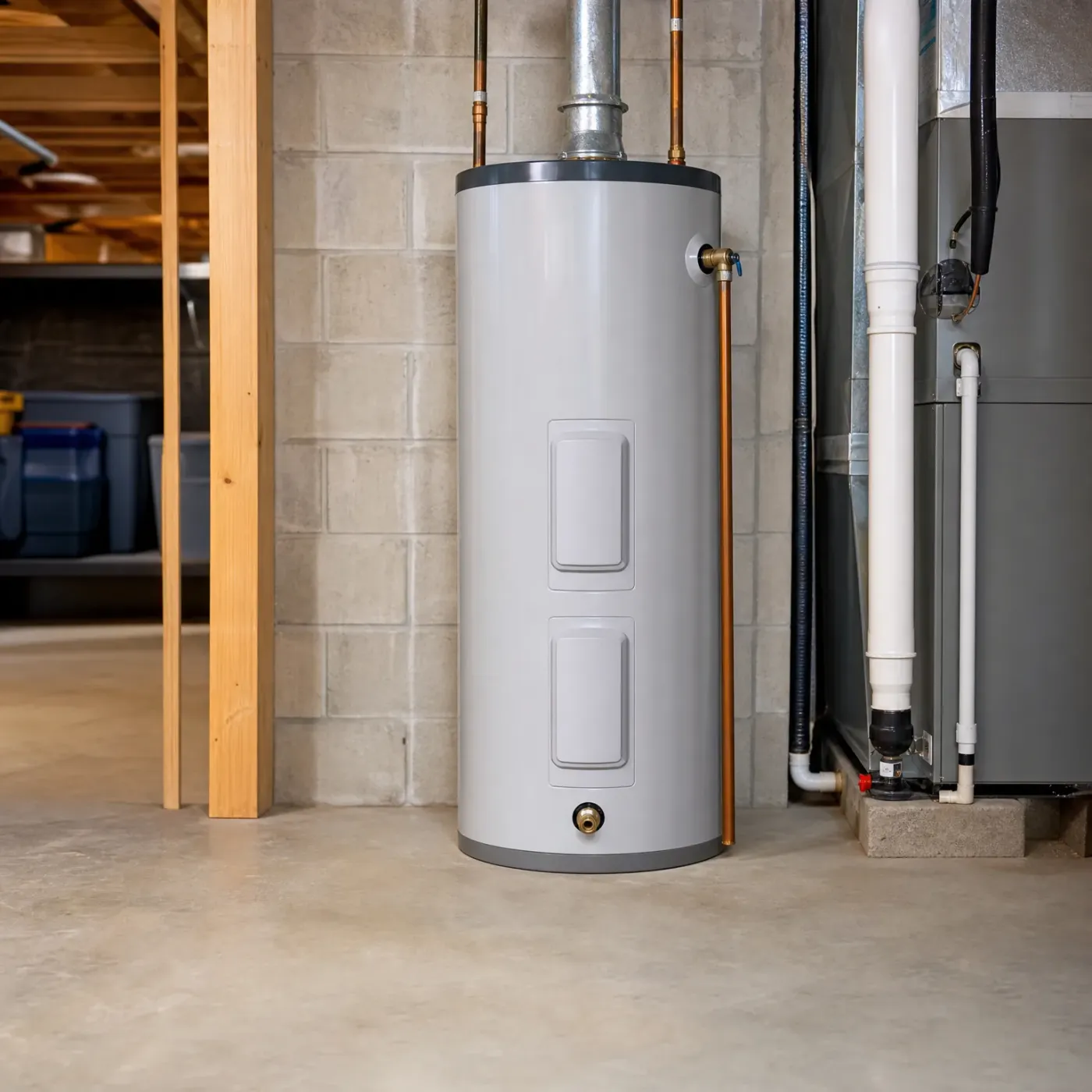
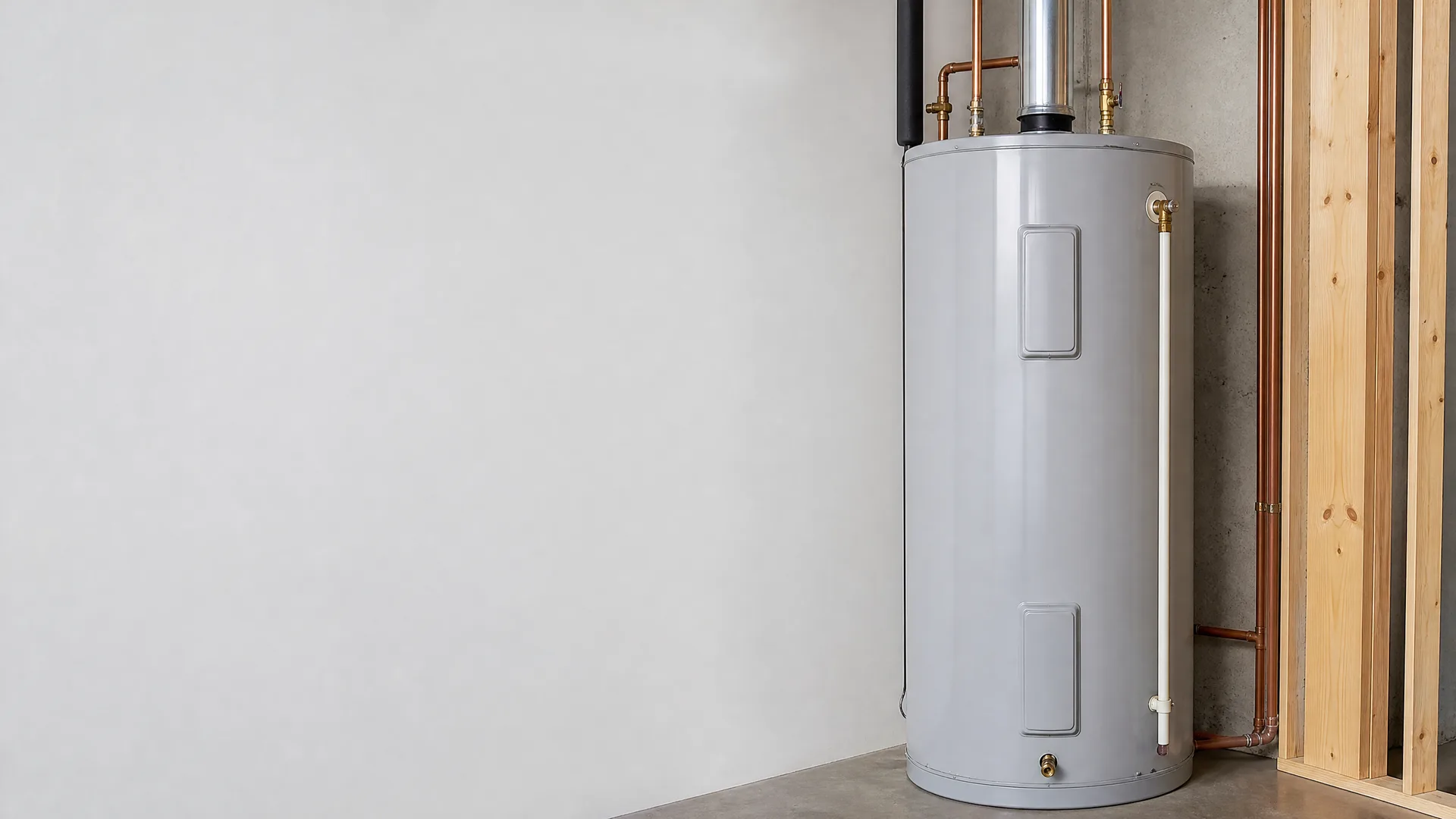
This electric tank sits on clean copper lines, no rust on the panels, no staining anywhere near the base. A little popping now and then from a tank like this usually just means some sediment is starting to settle, nothing serious yet.
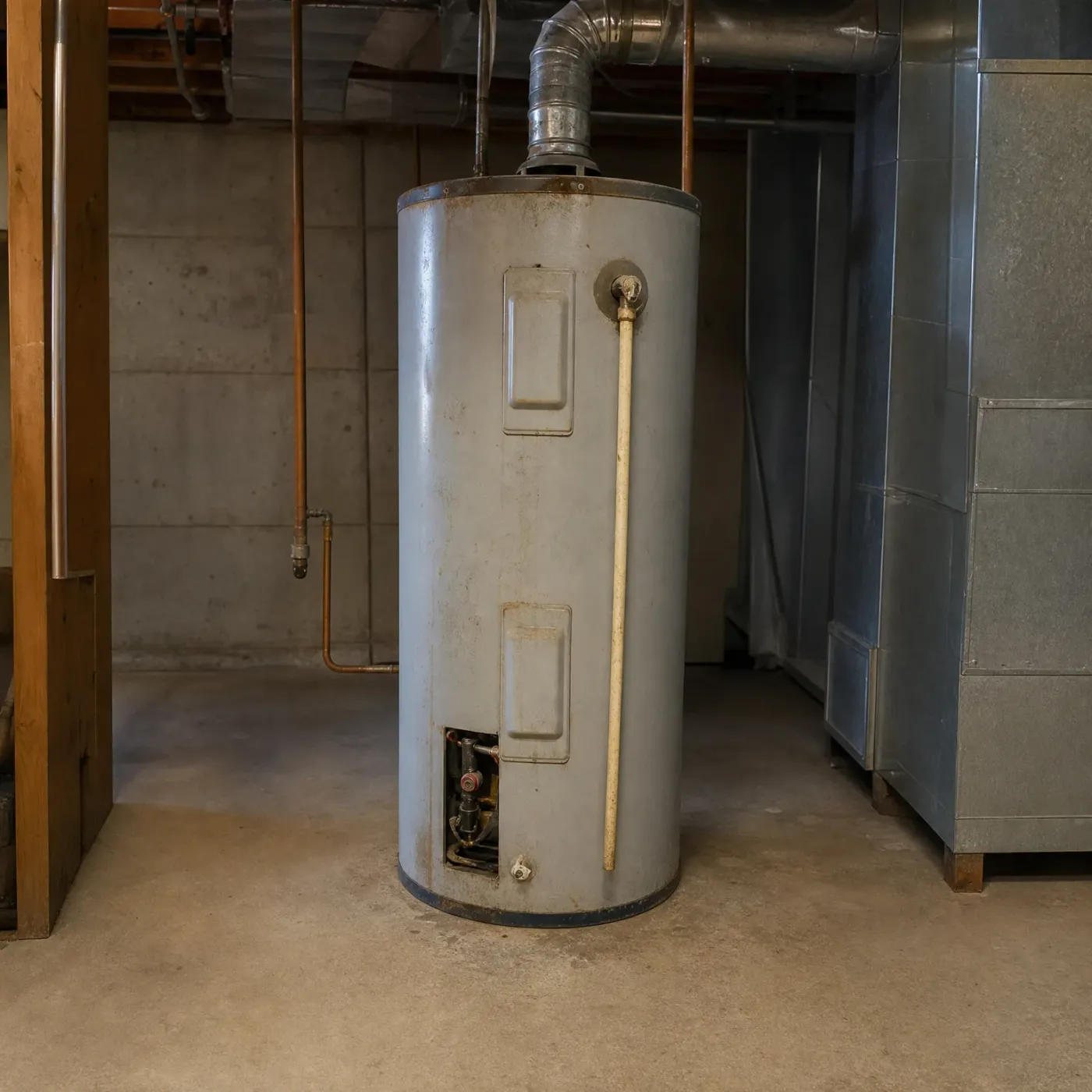
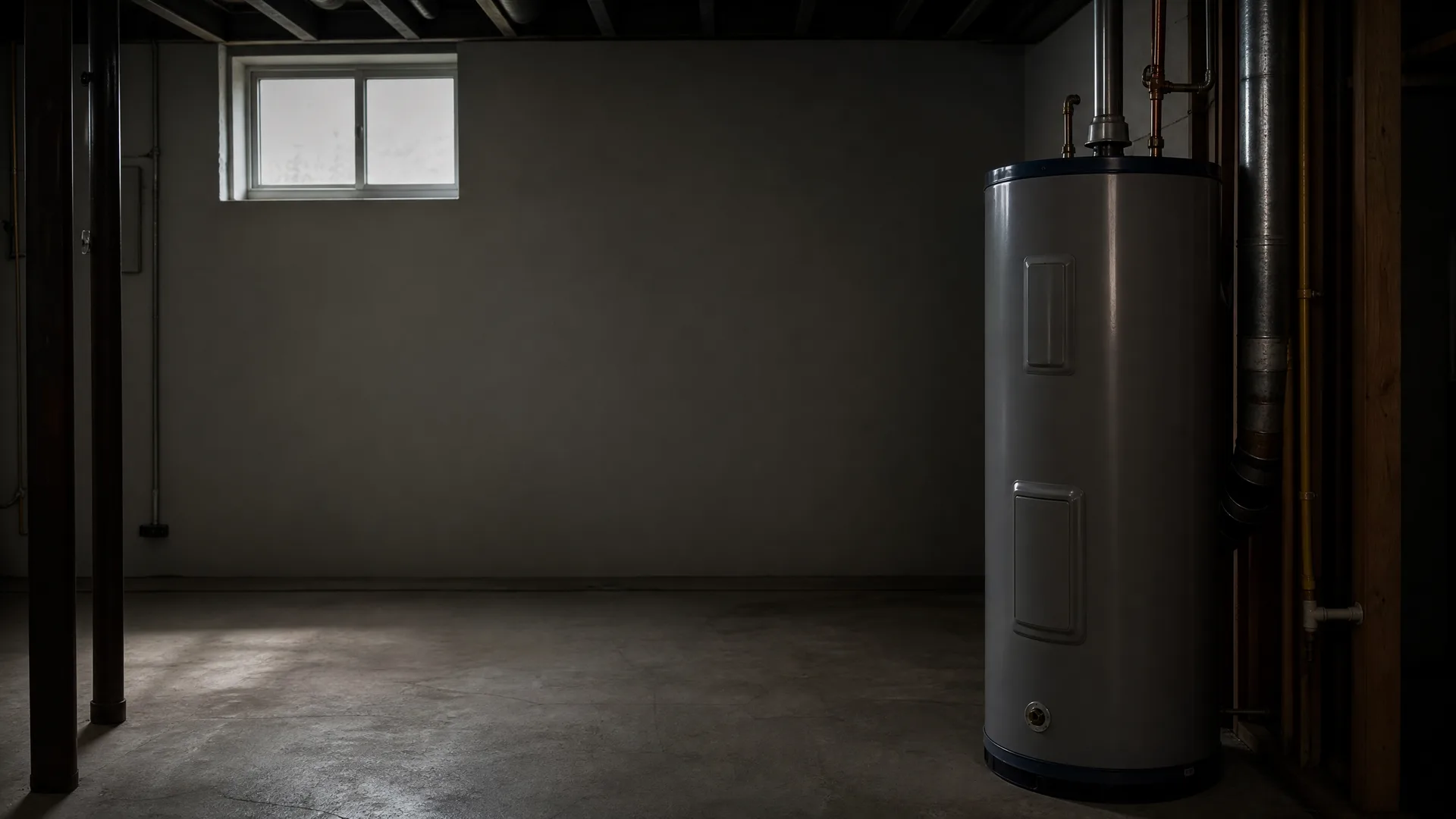
This older gas tank tells a different story. Rust spreads across the steel, the relief valve pipe runs down a side crusted with grime, and the burner underneath has been fighting through sediment for a long time. That popping has been building for years.
Does popping mean I need a new water heater?
A popping tank isn't dying, it's just carrying a layer of scale it didn't used to have. That's a maintenance issue, not a replacement one, and a flush often quiets it down. What pushes a tank toward replacement is what that sediment does over years sitting against the steel, heating and cooling it unevenly until a crack starts at the bottom seam. So the noise itself isn't the warning sign, it's how long it's been going on. A tank that just started popping is in a different spot than one that's been doing it for a couple of years with nobody draining it. Either way, the only way to know what's actually down there is to open the tank up and look.
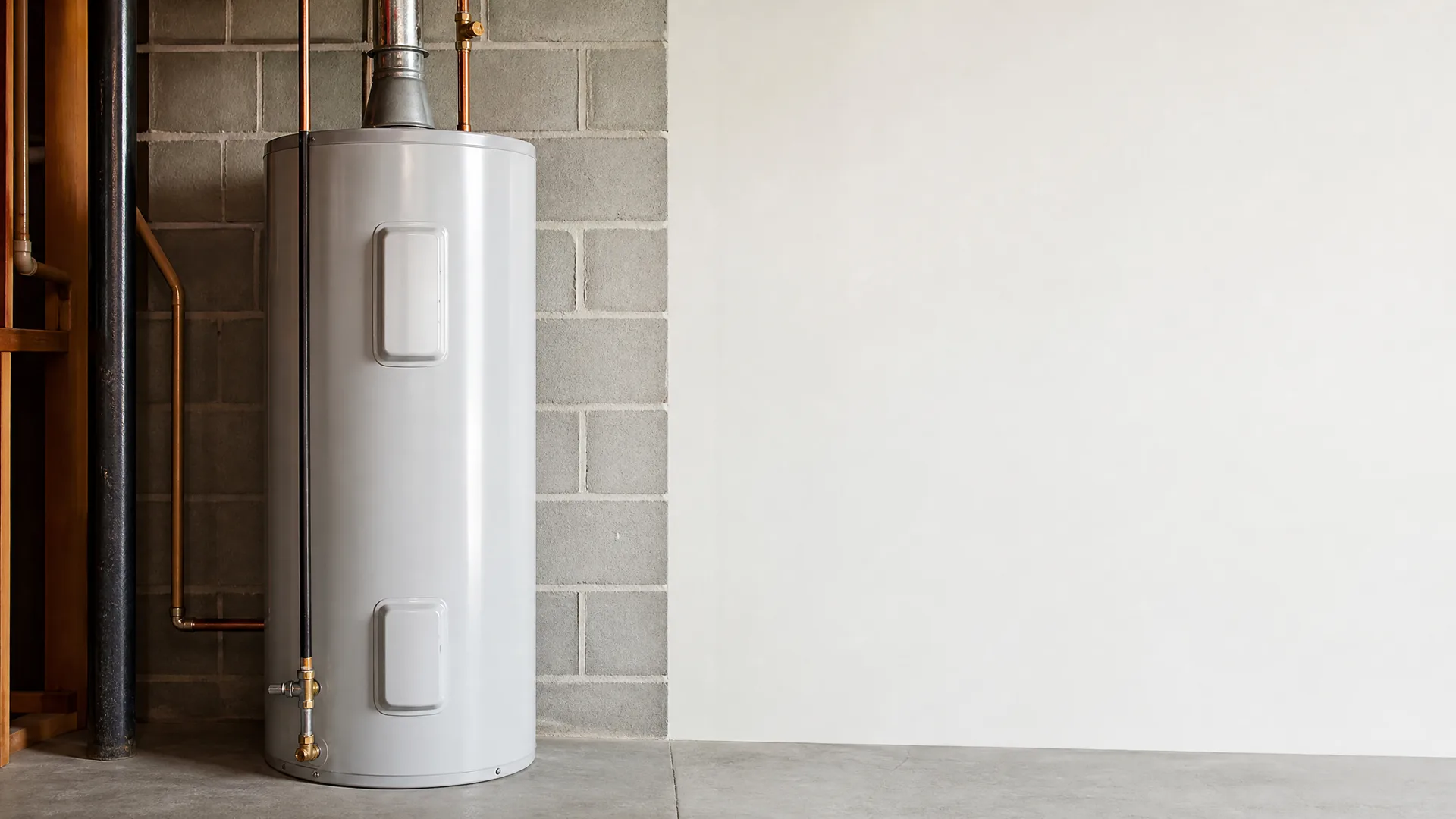
Some homeowners hear the popping and decide to wait it out. The tank still makes hot water, so it still does its job. That's true for a while. The sediment keeps building underneath the burner, and the popping gets louder as more steam works its way up through the crust. Nothing about leaving it fixes itself. The layer only grows, and so does the gap between what the burner does and how much hot water you actually get.
A flush drains the tank and clears the sediment off the bottom, back down to bare steel. The burner heats the water directly again instead of fighting through a crust first. Most people notice the popping drop off right after, sometimes gone completely if the buildup wasn't too deep. It won't undo rust or a crack that's already formed, but it stops the layer from getting thicker and takes the strain back off the tank.
3.27 people per household on average
Households here run 3.27 people on average, so that popping tank usually has more than one shower to get through every morning.
Half the homes here were built by 2000
Half the homes in Hidalgo County were built by 2000, old enough that the tank inside could be original or close to it.
90.6% of homes heat with electricity
Electricity heats 90.6% of homes here, so that popping is most likely coming from an electric element buried under sediment, not a gas burner.
ACS 2020-2024

The noise started for a reason. Hidalgo County's hard water left minerals at the bottom of the tank, and now steam is pushing through that layer every time the burner fires. It's not a sign the tank is failing. It's a sign it's working harder than it should to get your water hot.
A contractor can flush that tank and tell you how much sediment came out, which is more than the sound alone can tell you. From there you'll know whether this is routine upkeep or something closer to replacing the tank. Once you send the form, that part isn't on you anymore. You'll be matched with a contractor who takes it from here and reaches out to sort out your water heater.

Send the request and finding a pro stops being your problem.