
Pilot lit and holding
When the pilot stays lit, the flame burns steady and blue around the thermocouple. The burner lights on demand and the water comes up to temperature without you touching the gas valve.
Get matched with a pro who works on water heaters in Harris County.
Get a local proA pilot light that won't stay lit is one of the most common reasons a Houston household loses hot water. It usually isn't random. Something is cutting the flow of gas or interrupting the signal that tells the gas valve to keep the pilot burning, and the same cause tends to repeat until it's fixed. Knowing what's actually happening helps you figure out whether this is a quick fix or something a licensed contractor needs to look at.
Most of the time the thermocouple is worn out. That's the small metal rod that sits in the pilot flame and tells the gas valve the flame is lit. When it wears down or sits out of position, the valve thinks the pilot is out even when it isn't, and it shuts the gas off. A draft blowing across the pilot can cause the same thing, and so can a dirty pilot tube or a failing gas control valve. In Houston, water heaters are often tucked into a garage or closet, so if a vent or door nearby is pulling in outside air, that draft alone can snuff the flame out again and again.
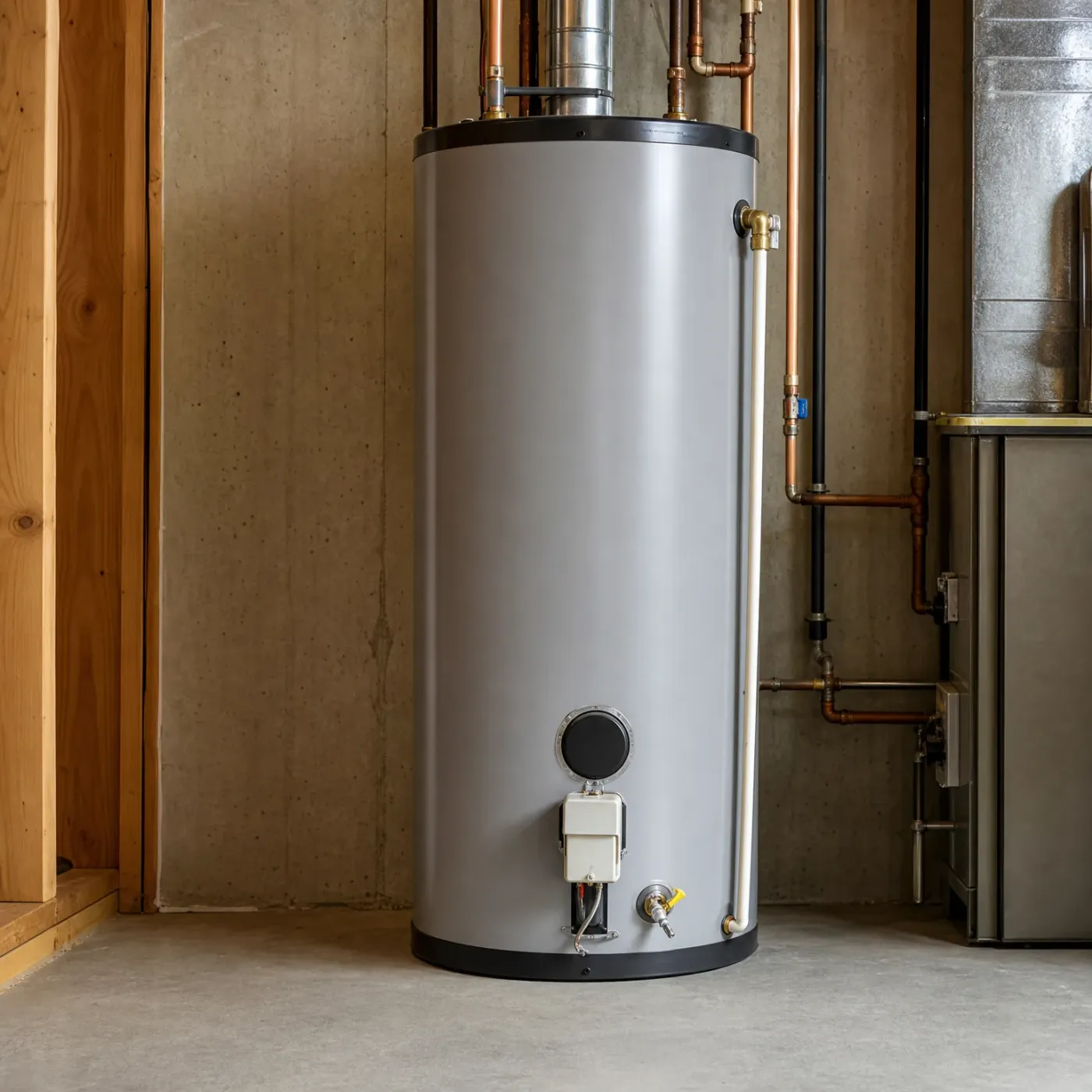
When the pilot stays lit, the flame burns steady and blue around the thermocouple. The burner lights on demand and the water comes up to temperature without you touching the gas valve.
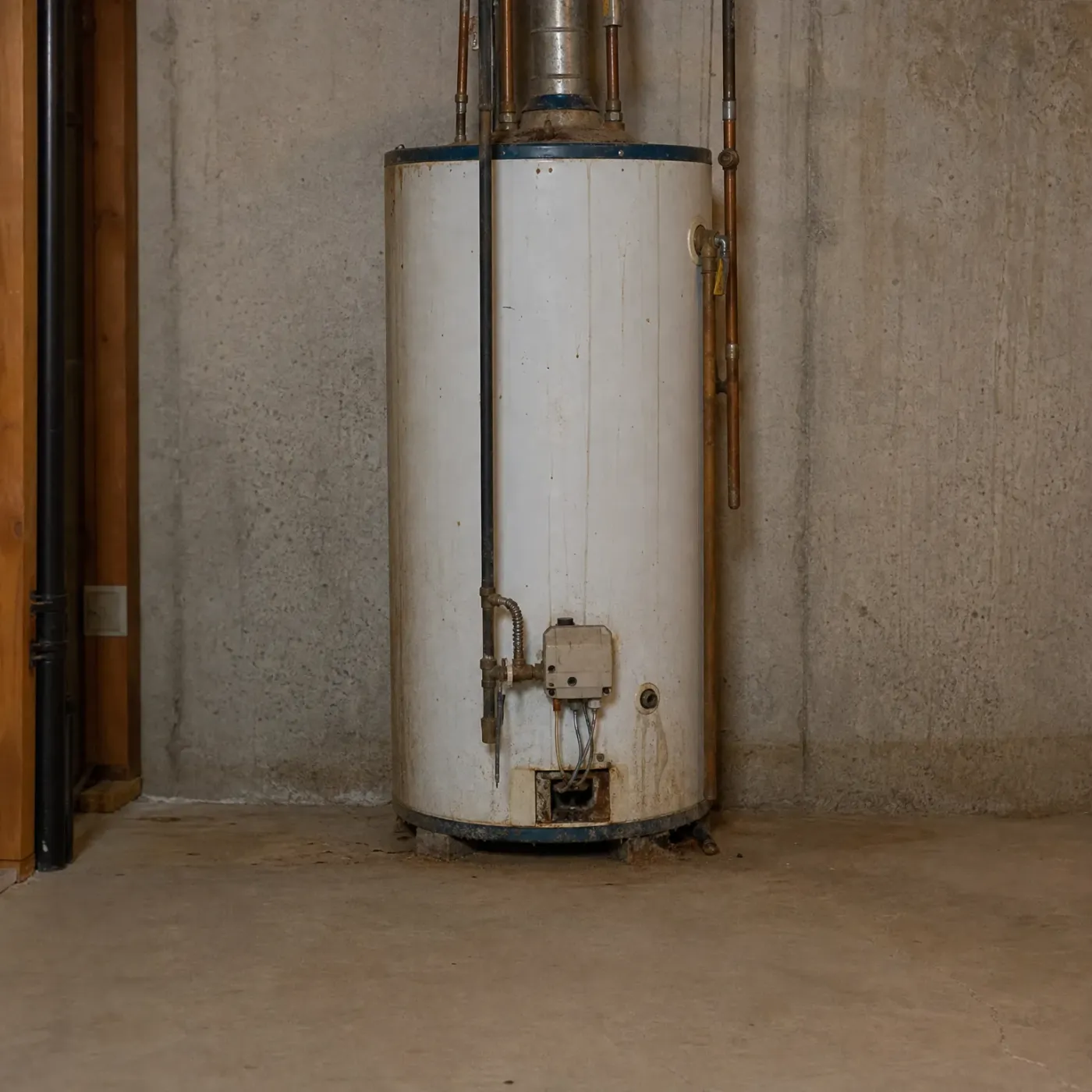
Rust around the flue and a worn gas valve often go along with a pilot that keeps dying. A thermocouple that's corroded or out of position won't hold the signal that keeps gas flowing to the flame.
2.73 people per household on average
Harris County households average 2.73 people, so a water heater here is usually covering a full house, not one or two people, when the pilot won't stay lit.
Half the homes here were built by 1988
Half the homes in Harris County were built in 1988 or earlier, old enough that the water heater may not be the one the house came with, and the gas line or venting is worth a look too.
55.4% of homes heat with electricity
Electricity heats 55.4% of homes in Harris County, more than any other fuel, so a gas water heater with a pilot light is often the one gas appliance in the house.
ACS 2020-2024
The pilot assembly runs on a simple safety rule. No sensor reading flame, no gas. The thermocouple is the part doing that reading, a thin rod sitting right in the pilot flame, wired back to the gas valve. As long as the flame heats that tip, the valve stays open and the pilot keeps burning. The moment the flame pulls away from the tip, even for a few seconds, the valve reads that as no flame and cuts the gas. That's what a thermocouple is built to do. It fails the pilot on purpose when it can't confirm fire.
Most of the time the flame itself is fine and the problem is where it's landing. A thermocouple bent slightly away from the pilot, or coated in a layer of soot from months of burning, won't heat up fast enough even when the pilot is lit and visible. The valve sees a cold tip and shuts down gas anyway. Relighting it right usually means holding the pilot button in for a full sixty seconds, long enough for that tip to get hot enough to hold the valve open on its own.
Not every outage traces back to the thermocouple. A draft moving through the flue or in through a blocked vent can snuff the pilot directly, and from the front it looks identical to a sensor failure. Newer tanks skip the standing pilot altogether, using an igniter and an electronic flame sensor to do the same job without a flame burning around the clock.


When the pilot won't hold, the tank stops heating for everyone under your roof, not just whoever happens to be in the shower. In a house with close to three people sharing one water heater, that gap shows up fast, at dinner dishes, at laundry, at the next shower in line. Turning the tap hotter or letting it run longer doesn't bring more hot water back. It just empties the tank faster while the burner stays dark. The gas valve shutting the pilot off is doing its job. It's responding to something it's reading as unsafe, not failing on its own. Relighting it each time without finding out why only puts off the real problem, and the next outage doesn't wait for a convenient week. If your water heater came with an older house, the parts behind this tend to wear sooner, and the pilot can start dropping out more often rather than less.




A pilot that keeps dying usually isn't something to keep fighting with a lighter and a prayer. If you've reset it more than once or two and it still won't hold, the thermocouple or the gas valve itself needs a look, and that's not something to guess at with the gas line open. A licensed plumber can tell in minutes whether it's a worn thermocouple, a clogged pilot orifice or a valve that needs replacing, and get the flame holding again the same visit in most cases. With 2.73 people in the average Harris County household depending on that tank, a water heater down for days isn't a small thing. Send the request and a contractor who handles this in your area will reach out. You stop checking the pilot every hour and go back to showers and dishes running the way they should.
A standing pilot doesn't run on household power, so a breaker trip or a storm outage doesn't touch it. That's by design. The thermocouple and gas valve work off the heat of the flame itself, not the wiring in your house. So if the power went out last night and your pilot is also out this morning, the two aren't connected. Something else put the flame out, most likely a draft, a clogged pilot tube, or a thermocouple that's worn or sitting out of position. Power coming back won't relight it. Someone still has to hold the gas control knob in and light the pilot by hand, the same as if the power had never gone out at all.
A healthy pilot burns blue with maybe a small tip of yellow at the very top. That blue means it's burning clean and hot enough to keep the thermocouple warm between relights. A pilot that's mostly yellow or orange is burning dirty, often from dust or lint pulled into the burner assembly, and it won't heat the thermocouple tip the same way even when it does stay lit. If you've relit the pilot and it's holding but the flame looks yellow rather than blue, that's worth mentioning when a contractor looks at it. It points away from the thermocouple and toward the burner or the air intake instead.
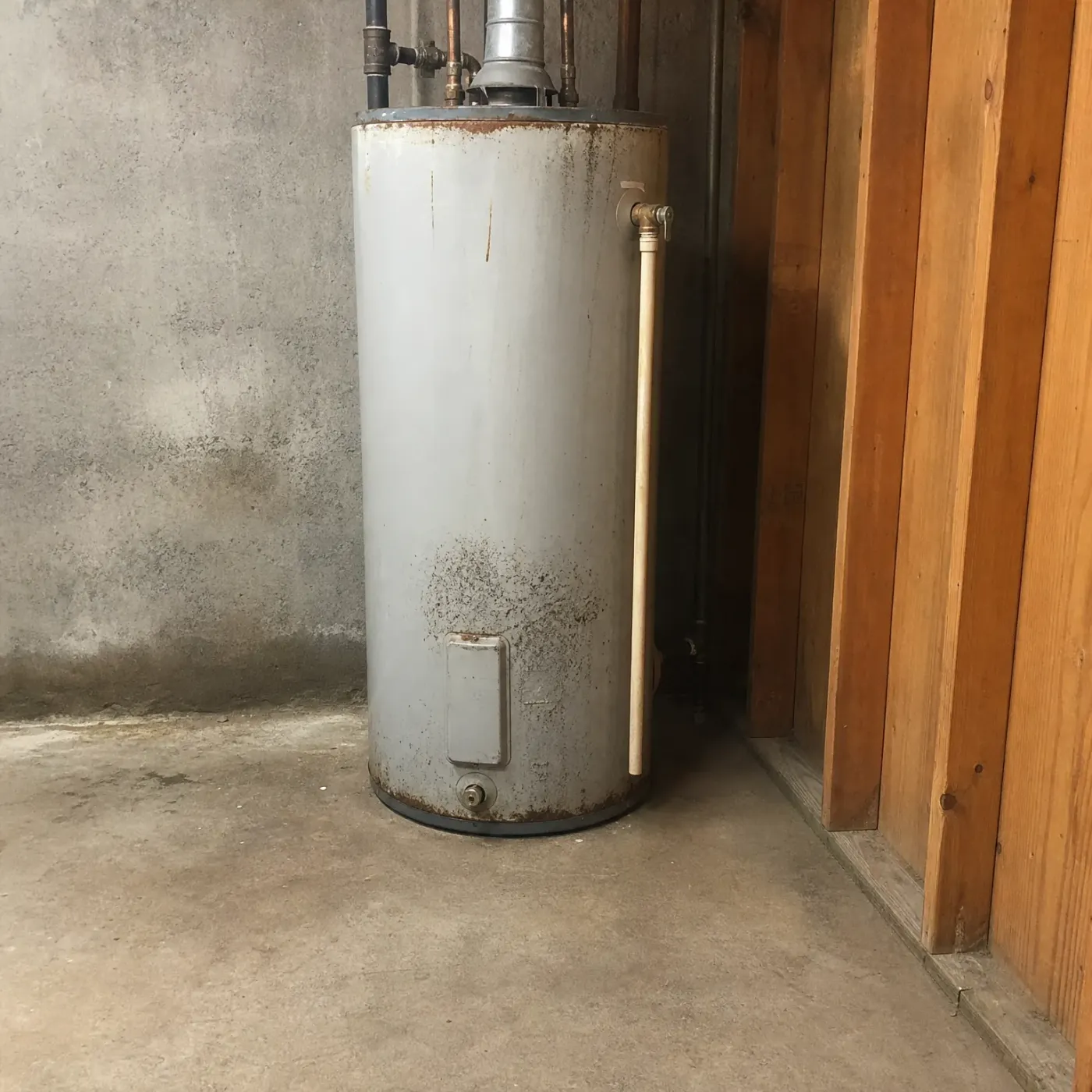
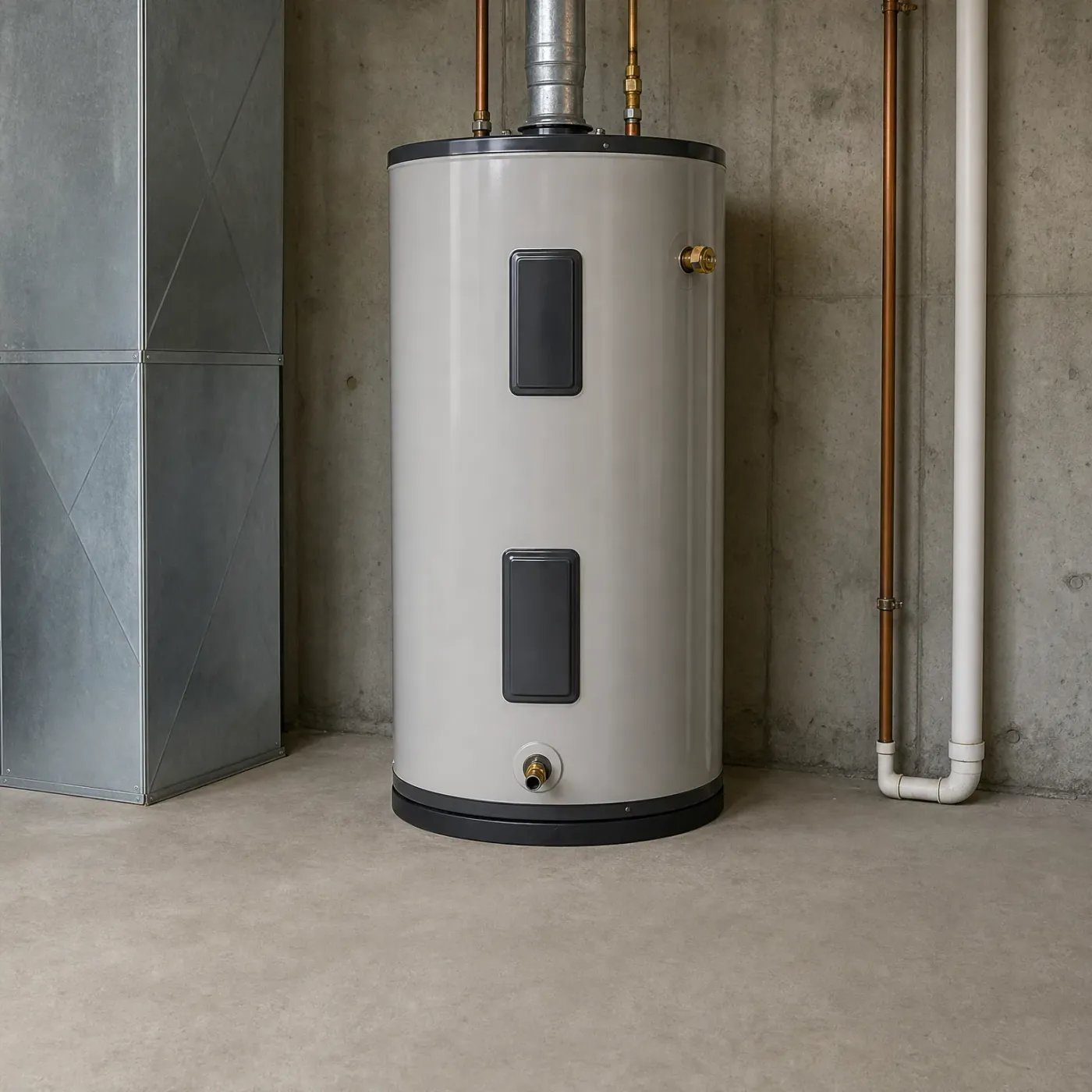
Most gas water heaters have a pilot lighting instruction panel right on the front, and following those steps is safe to try. You shut off the gas, wait for any smell to clear, then hold down the reset or pilot knob while lighting the flame. If it catches and holds once you let go of the knob, the thermocouple is reading the flame fine and the valve is working. That's the end of it until the next time it goes out, if there is one.
If the flame won't stay lit once you release the knob, or it goes out again within a day or two, the problem isn't the lighting itself. Something is keeping the thermocouple from reading the flame as present, or the gas valve has worn to where it won't hold the signal it's getting. Repeating the same steps over and over won't change that. At that point someone needs to look at the thermocouple and the valve directly, not the pilot flame.
That 16.78 cents a kilowatt-hour doesn't touch your gas water heater's pilot or burner, since both run on gas, not power from the wall. But if the pilot keeps going out and you end up relying on an electric backup, like a plug-in heater for a shower, that's the rate you're paying while the real fix waits.
EIA-861 2025
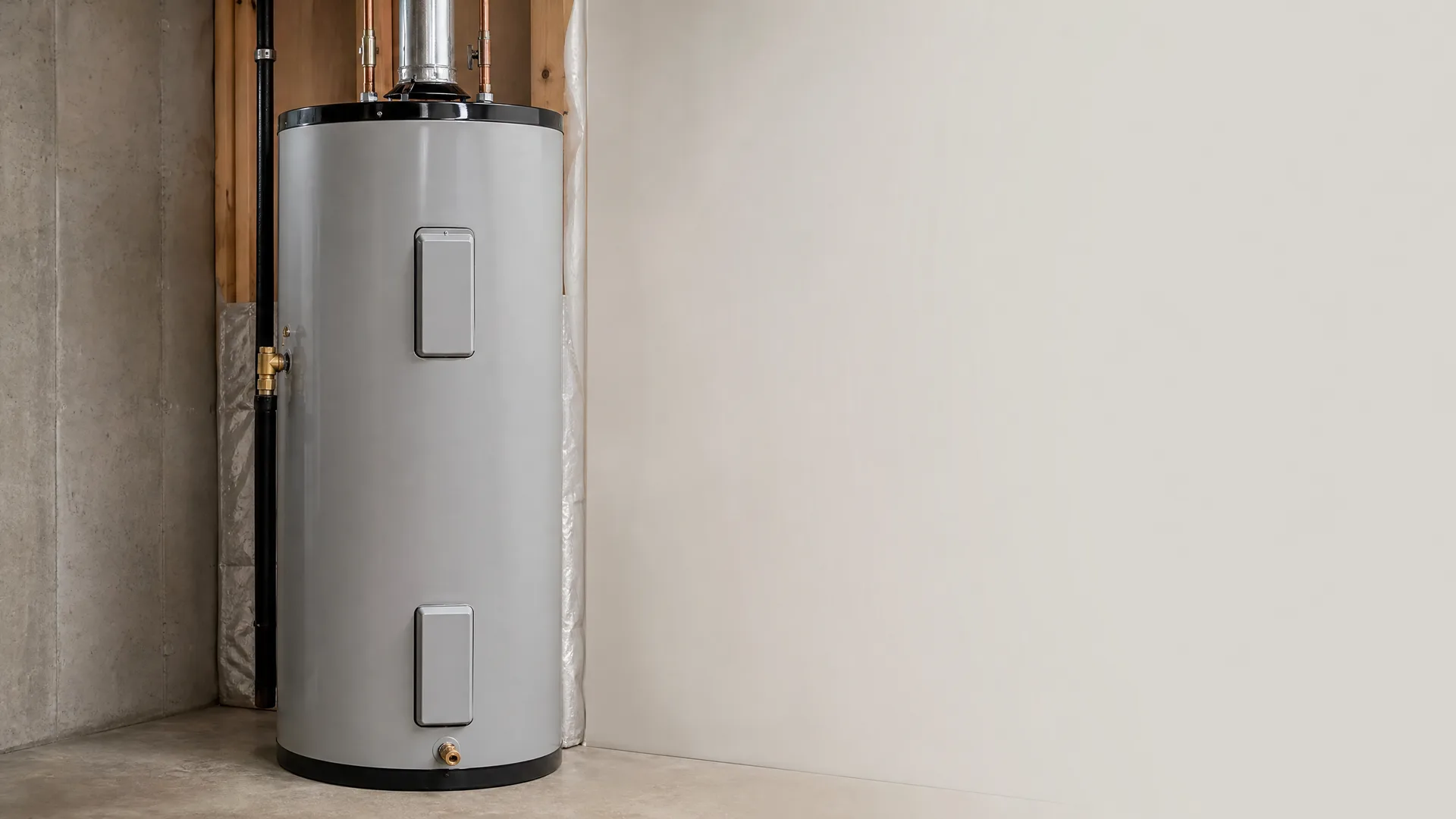
A pilot that keeps dying and gets relit over and over doesn't fix itself. Each time it goes out, the water in the tank starts cooling, and whoever showers or runs the dishwasher next finds out the hard way. A thermocouple that's failing usually gets worse, not better, so the gaps between relights tend to get shorter until the burner won't hold at all.
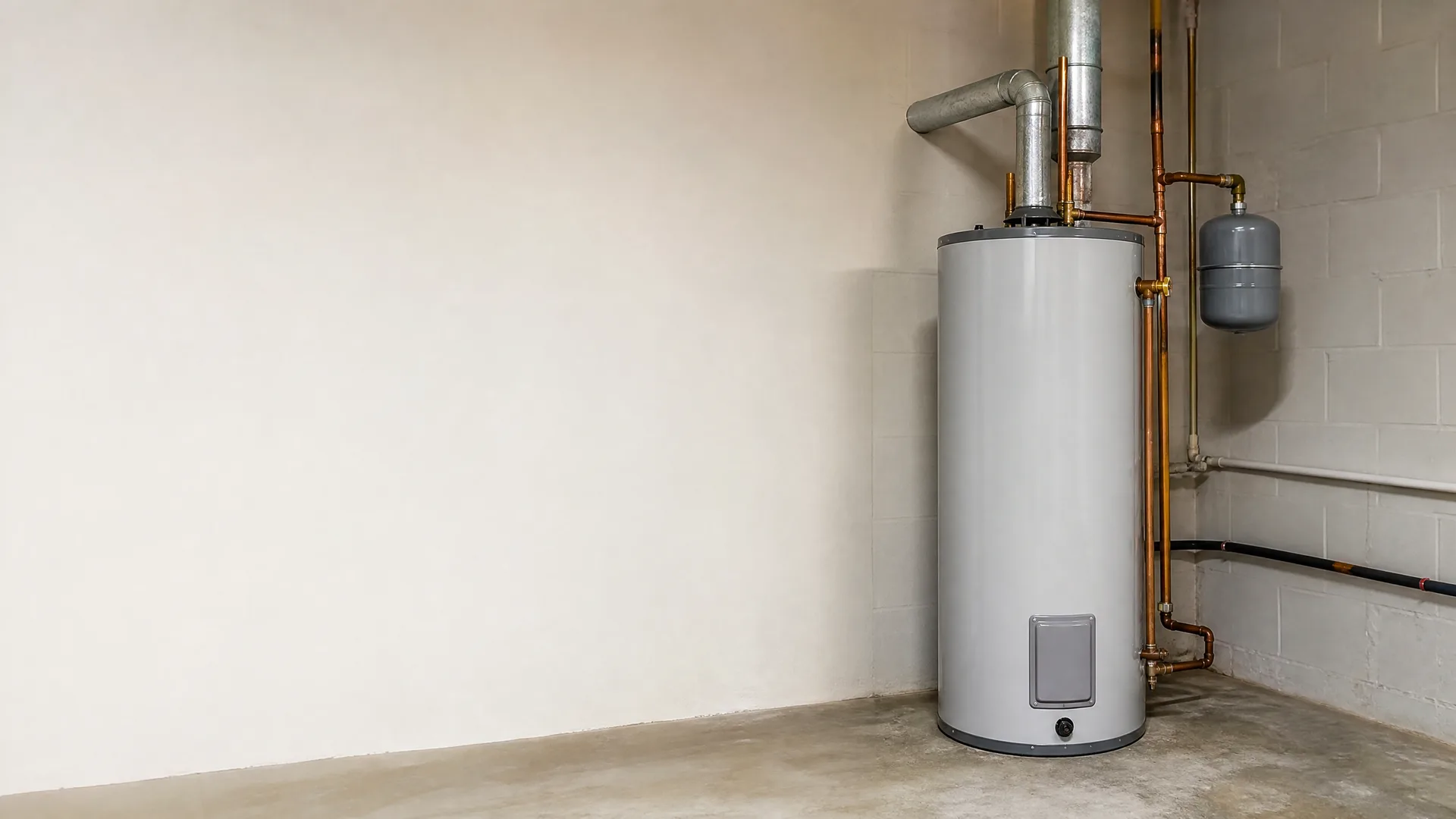
A contractor can tell within minutes whether the problem is the thermocouple, a clogged pilot tube, or the gas valve itself, and replace the part instead of the whole water heater. Most of the time a pilot that won't hold is a cheap part on an otherwise good tank. Once it's diagnosed and fixed, the pilot holds the way it did when the water heater was new, and relighting it stops being a chore.
A pilot that won't hold is the thermocouple or the gas valve telling you something is wrong, and relighting it again isn't going to change that. If you've already tried the reset steps on the panel and the flame still dies, the part needs to be tested and swapped, not coaxed. That's a job for someone who works on gas water heaters, not a lighter and a few guesses. Once you send the request, you're not the one tracking down who's available or whether they do this kind of repair. That part moves off your plate and onto a contractor's, and you wait for them to reach out instead of working the phone yourself. Until then, the tank is only as good as whatever hot water is already in it, and in a house with a full household sharing it, that runs out fast. Getting the pilot to hold again is what gets the water back to temperature and keeps it there.
Send it once and finding someone is no longer on you.