Tell us about the job
Takes about a minute. No obligation.

A contractor called out for water heater repair in Franklin County works through the usual suspects first: the anode rod, the heating element, sediment at the bottom of the tank, and how long the unit has been running. 60 severe weather events were recorded in Franklin County, Texas between 2015 and 2024. At that rate, severe weather is an occasional fact of life here, not a grinding constant, and it seldom shows up as the direct cause of a failed part. A unit that stops producing hot water in this county has almost always been worn down by scale accumulation or a component past its service life.
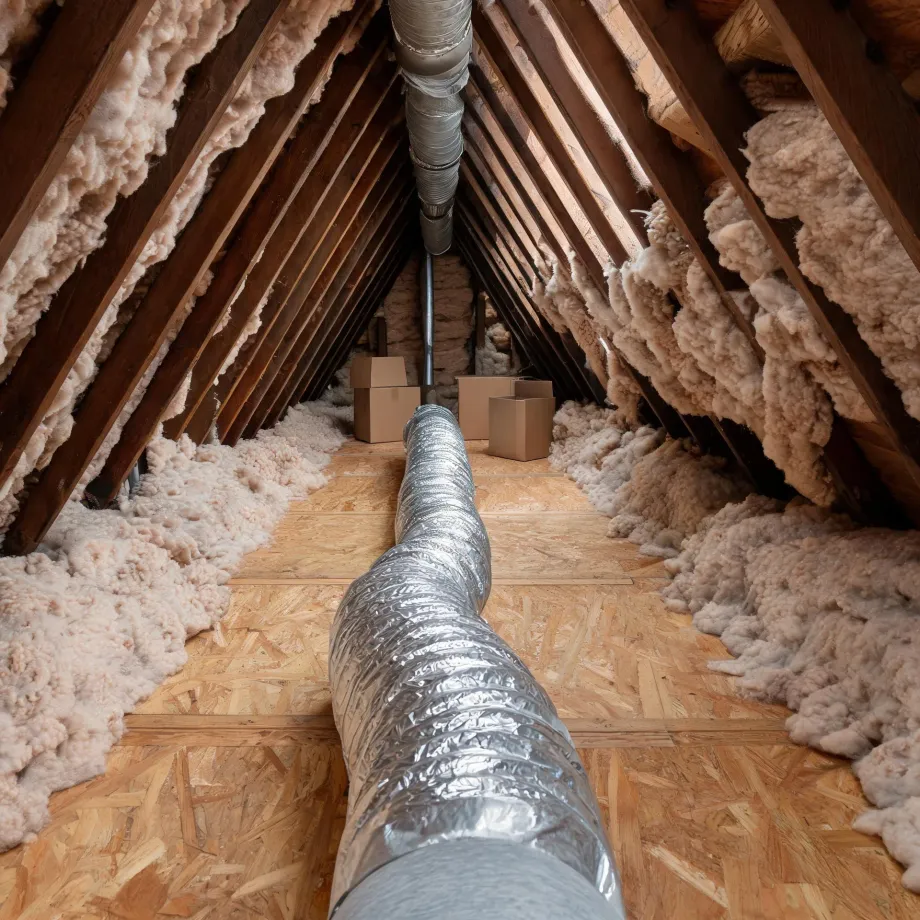
Sediment buildup, a spent anode rod, and corroded supply connections are what a contractor is likely to find once a water heater comes apart in a house from this part of the county's stock. Half the homes in Franklin County, Texas were built in 1988 or earlier (2020-2024 ACS 5-year). A unit that has been running in a house that long has usually had its share of hard water cycles and deferred flushes, and the internal condition of the tank is what sets the repair scope, not what the exterior suggests. Some of what a contractor finds is serviceable; some of it means the parts question becomes the job.
The Parts of a Water Heater a Contractor Checks First
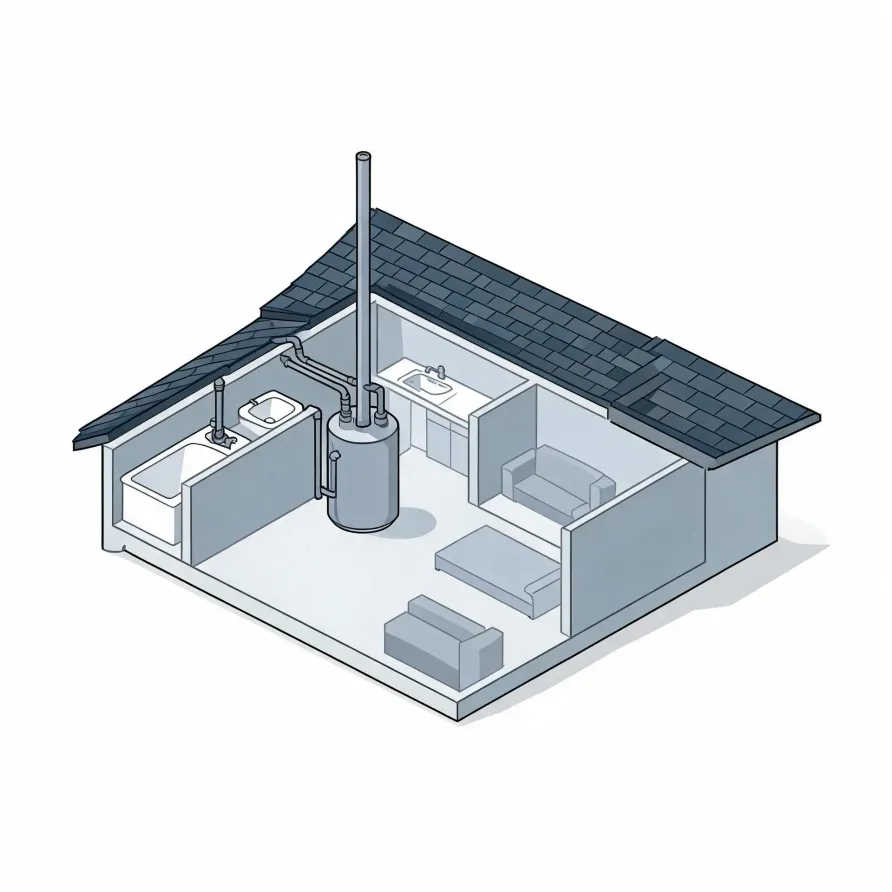
The tank itself sits in a utility closet, basement, or garage and holds the water that gets heated before it travels to your fixtures. The burner assembly or heating element sits at or near the base of the tank and is what a contractor looks at when the water runs cold or never gets hot. The thermostat, mounted on the outside of the tank, controls the target temperature and is a frequent starting point when the water runs too hot, too cold, or inconsistently.
The pressure relief valve sits near the top of the tank and opens automatically if pressure inside climbs too high. The anode rod hangs inside the tank and slows corrosion from the inside wall out. The dip tube runs down through the tank and directs cold incoming water to the bottom so it picks up heat before it rises to the outlet.
The drawing shows a typical layout, and a licensed contractor determines what applies to the specific unit and installation in your home.
Get matched in Franklin CountyFranklin County, by the numbers
60 severe weather events were recorded in Franklin County, Texas between 2015 and 2024.
NOAA National Centers for Environmental Information, Storm Events Database, bulk CSV export, events 2015-01-01 through 2024-12-31.Half the homes in Franklin County, Texas were built in 1988 or earlier (2020-2024 ACS 5-year).
U.S. Census Bureau, 2020-2024 American Community Survey 5-Year EstimatesFranklin County, Texas holds 5,121 housing units (2020-2024 ACS 5-year).
U.S. Census Bureau, 2020-2024 American Community Survey 5-Year EstimatesOwners occupy 82.0% of the occupied homes in Franklin County, Texas (2020-2024 ACS 5-year).
U.S. Census Bureau, 2020-2024 American Community Survey 5-Year EstimatesCodes & Standards That Apply to Water Heater Repair in Franklin County, Texas1 sourced rules and standards
Licensing and Legal Requirements in Franklin County, Texas
In Texas a person may not engage in air conditioning and refrigeration contracting unless that person holds a license issued under the state air conditioning and refrigeration contractor law.
Severe Weather Events in Franklin County
Weather puts a measurable load on water heaters. Hard freezes, power surges, and the recovery cycles that follow storms all work the equipment harder than routine daily use, which is why local conditions shape how often repair needs come up.
60 severe weather events, 2015–2024. Source: NOAA National Centers for Environmental Information, Storm Events Database.