

When to replace a water heater in Dallas, TX
Send the form and the search for an installer is over.
Let a pro reach outWhen should I replace my water heater in Dallas?
You're not sure if that water heater in your garage or closet is still good or if it's about to leave you with a cold shower or a wet floor. Most people only think about this when the unit is already acting up, and by then you want a straight answer about whether to repair it or just get a new one in.
Replace it at 8 to 12 years, or sooner if it's leaking or struggling to keep up
A tank water heater lasts about 8 to 12 years. Past that, the tank itself starts to wear from the inside, and once it's rusting or seeping at the seams, there's no fixing it, only replacing it. If yours is in that range and you see rust-colored water, a puddle at the base, or it's not keeping up with hot water like it used to, that's your answer. Dallas water runs hard, and the mineral buildup that comes with it wears a tank down faster than it would somewhere with softer water. Most homes here run on electric water heaters, and those last about as long as gas ones, but the hard water shortens the life of either kind.
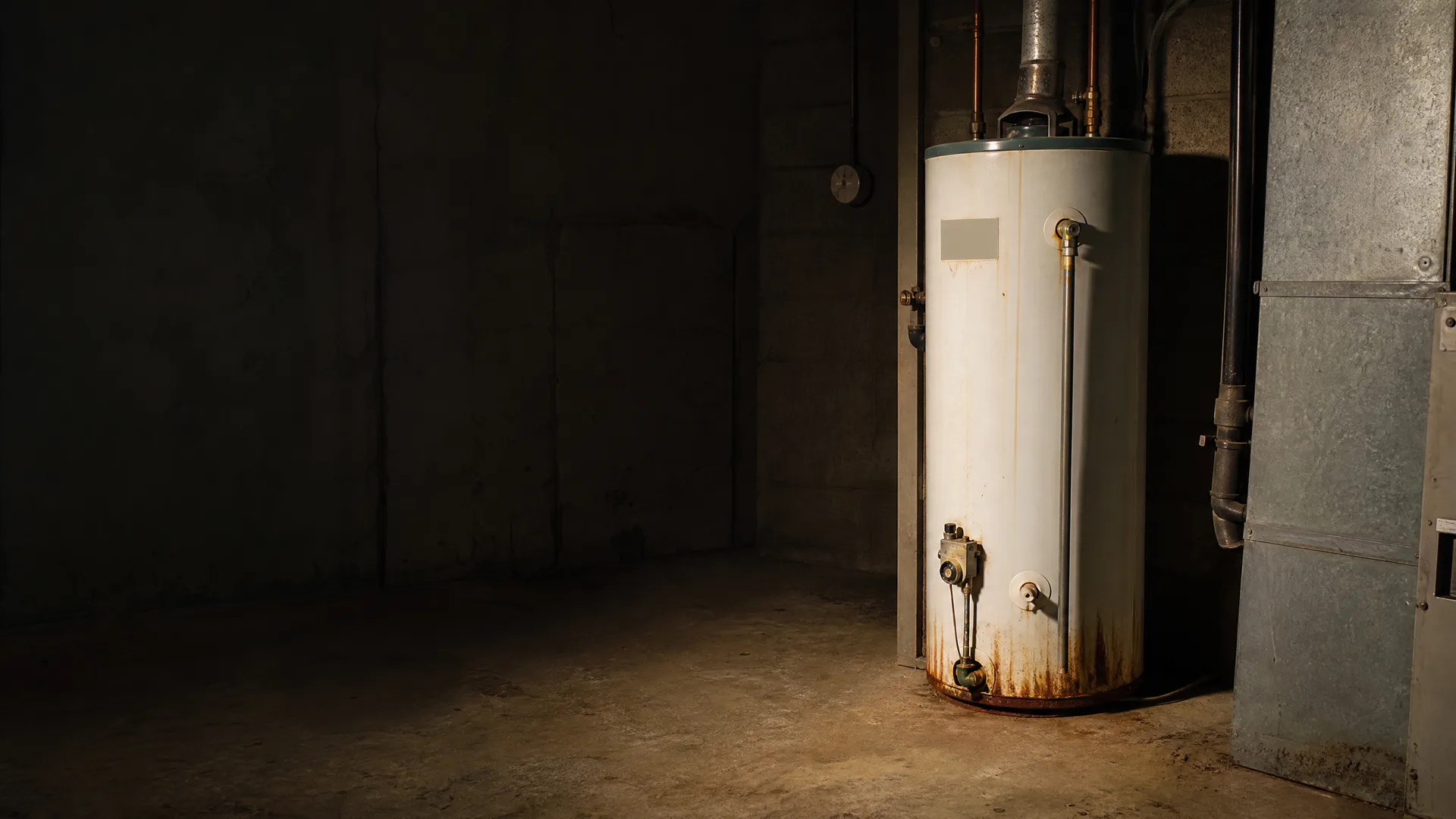
You're in the utility room before dinner, grabbing the mop bucket off the shelf, and you notice the floor under the water heater feels damp. You crouch down. Rust streaks run down the side of the tank and pool at the base, right where the metal meets the floor. The unit still runs, you can hear it, but the streaks weren't there last time you looked. Outside it's still warm enough to leave the window cracked, a normal Dallas evening, nothing unusual about the night itself. You press a finger to the rust and it comes away damp and orange. You stand there a minute, deciding whether this is a tonight problem or a this-week problem.
Is your water heater trying to tell you something?
Check the water temperature. If it swings from hot to lukewarm partway through a shower, the heating element or burner is struggling to keep up. Look at the water itself. Rusty or discolored water from the hot tap means the tank is corroding from the inside. Listen when it runs. Rumbling or popping sounds mean sediment has built up on the bottom of the tank, and that buildup makes the unit work harder to heat the same amount of water. Any of these left alone can end with the tank failing outright, and a failed tank means water on your floor and no hot water until it's replaced.
Why the tank itself fails
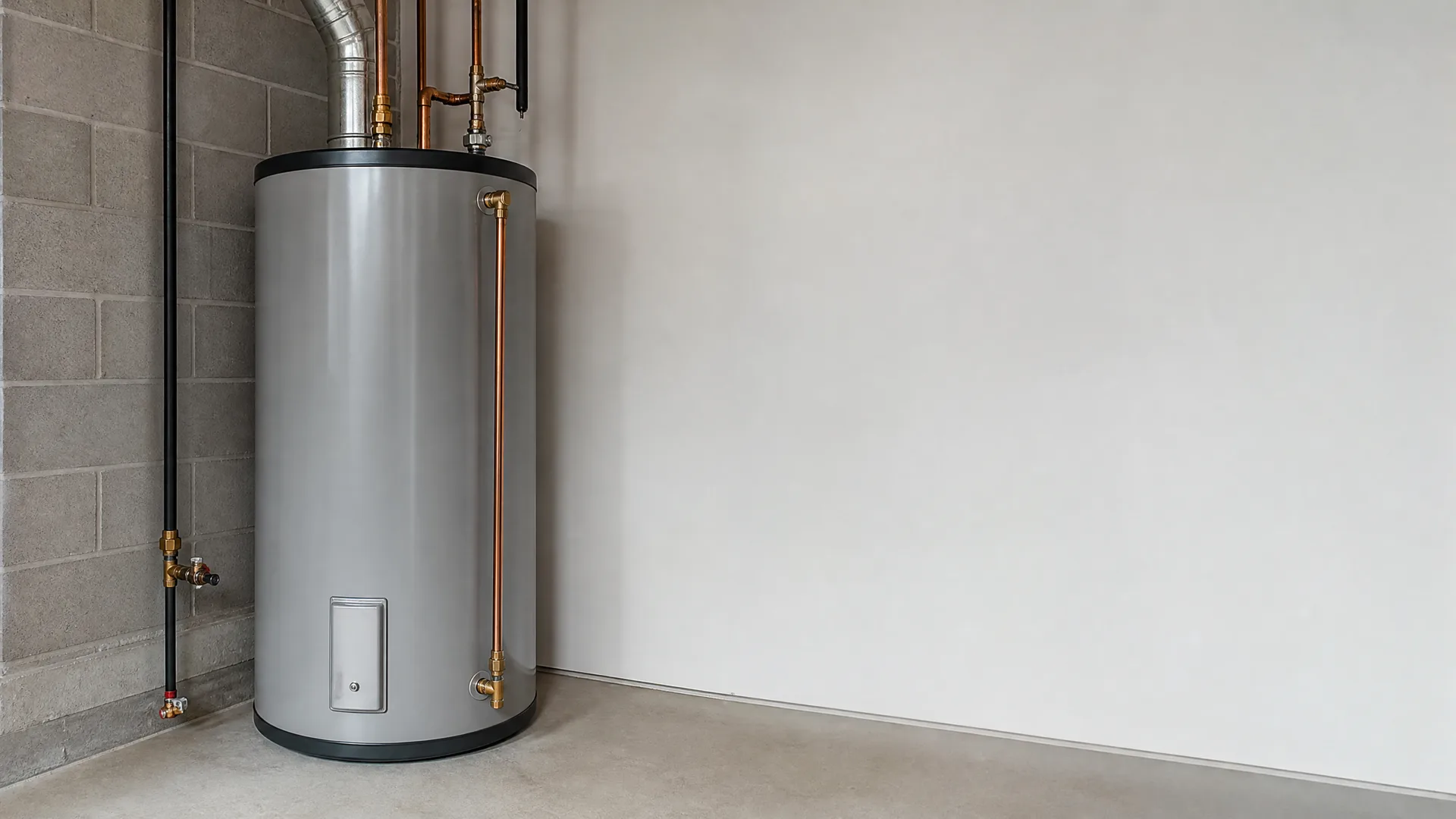
A water heater tank has a glass lining inside the steel, and a rod running through it that attracts corrosion so the steel doesn't. Once that rod is used up, the tank starts rusting from the inside out. There's no patch for this. A leak at the tank seam or along the bottom means the steel has already given way, and the only fix is a new unit. Tightening a fitting won't stop it.
What the number on the tank tells you
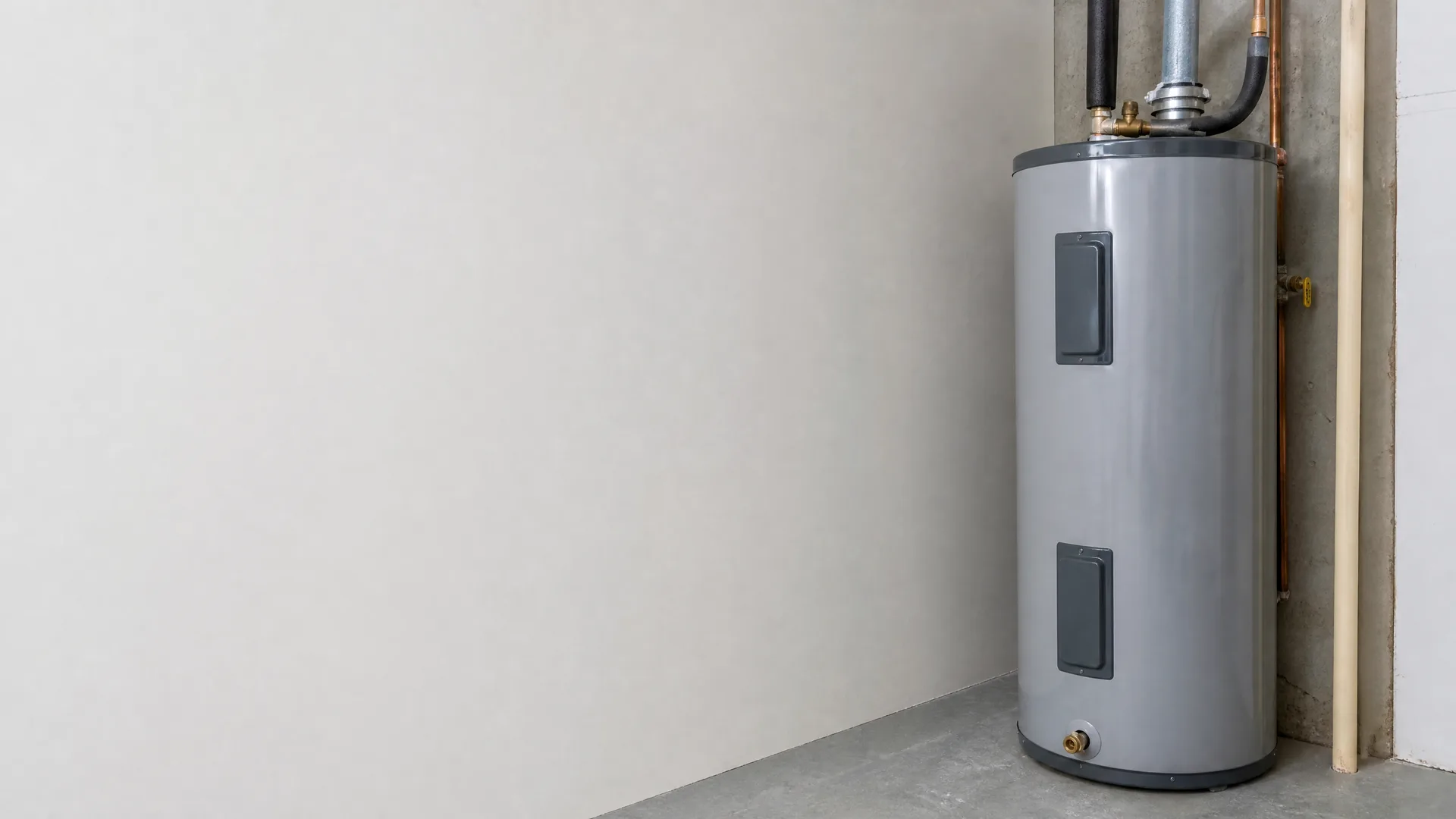
Check the rating plate for the manufacture date, usually coded into the serial number. Most tank water heaters last eight to twelve years. With Dallas water running hard, mineral buildup inside the tank can push a unit toward the lower end of that range, making the heating element or burner work harder to reach the same temperature. If yours is already past ten years, age alone is a reason to plan for a replacement rather than another repair.
Repair It or Replace It
Repair
- Makes sense if the tank itself is sound and the problem is a single part, like a thermostat or heating element.
- A unit still under warranty is worth a service call before anything else, since parts may cost you nothing.
- If the tank is less than six or seven years old, repair usually buys you real time before you're back to this decision.
- A local plumber who services these units every week can often tell within minutes whether it's the element or something bigger.
- Keeps you from paying for a new installation when the fix might be a forty dollar part and an hour of labor.
Replace
- Needed once you see rust in the water or rust streaks on the tank, since there's no patch for a tank that's corroding from the inside.
- The better call if the unit is original to the house and you don't know its install date or service history.
- Worth doing before a full failure, since a tank that lets go overnight can mean standing water across the floor.
- A new unit installed now runs on today's efficiency standards, which matters in a house that depends on electricity for hot water.
- Spares you a second visit a year from now for the same tank, once a tank starts going, it tends to keep going.




Send one request and you're done looking
A tank that's rusting or struggling to hold a temperature in a Dallas garage isn't going to get better on its own, and with power rates here, a failing unit costs you more every month it limps along. Electric water heaters carry the load in most homes around Dallas County, and when the element or the tank itself starts to go, the signs you've read above only get worse from here, not better. Waiting usually means finding out on a morning you didn't plan for, standing in cold water or mopping up a utility room. Getting a licensed installer out to look at it now, while you still have a choice in the matter, means you're dealing with this on your schedule instead of the water heater's. Send the request and someone local who installs these year-round in Dallas homes takes it from here.
Keep the one you have if it's heating water fine, holding its temperature, and under ten years old. A water heater that age with no leaks and no rust in the water still has useful life in it.
Replace it once it's past ten years, even if it still runs, because the tank is closer to failing than starting over on a working one. A flood in a Dallas garage or closet costs more than a planned swap ever will.
How much hot water does your home actually need?
2.63 people per household on average
The average Dallas County household has 2.63 people in it, and a tank sized for a smaller household years ago may already be falling short at the end of the day.
Half the homes here were built by 1983
Half the homes in Dallas County went up in 1983 or earlier. A water heater that old is long gone, but the one that replaced it may be older than you think.
61.8% of homes heat with electricity
Electricity heats 61.8% of homes in Dallas County, more than any other fuel, so most replacements here are electric units matched to the home's existing wiring.
ACS 2020-2024
Waiting until it fails
A water heater that's past ten years doesn't usually give you much warning before it quits. The tank can hold water fine for weeks and then split open overnight. If that happens while you're at work or asleep, you're dealing with a flooded garage or closet floor, not just a cold shower. Electric water heaters here don't need power restored to start working again once the breaker's reset, but a cracked tank doesn't care about the power at all. Waiting also means you're choosing the replacement under pressure, often with whatever unit a contractor has on the truck that day, instead of picking the size and type that actually fits your household.
Replacing it on your schedule
Planning the replacement before the tank fails means you choose when the work happens and what goes in. You can size the new unit for how many people are actually in the house now, not how many were there when the old one was installed. You can ask about a unit built to handle Dallas summers in a garage that gets hot, rather than taking the first one available. A water heater installed on your timeline also means no standing water to clean up and no scrambling for a shower at a neighbor's house while you sort it out.
Power here costs 16.63 cents per kilowatt-hour
At 16.63 cents a kilowatt-hour, an electric water heater that's losing efficiency shows up fast on your bill. A unit with a failing element or heavy sediment buildup has to run longer to get the same hot water, and in Dallas that extra run time costs more than it would almost anywhere else.
EIA-861 2025
A water heater past ten years with rust in the water or a tank that won't hold its temperature has told you what you need to know. Replace it before it fails, not after. One under ten years old with clear water and no leaks still has life in it, and a single bad thermostat or element is worth fixing rather than replacing. Dallas runs hard on electric water heaters, and a struggling one costs more on every bill at 16.63 cents a kilowatt-hour until it's dealt with. You don't have to figure out which category yours falls into alone. A licensed local contractor who works on these units all year can look at your tank, tell you straight whether it's a repair or a replacement, and get it handled before it becomes a wet floor in the garage at the worst possible time.


Water Heater Installation
Finding a pro stops being your job
One installer gets your project, so there's no bidding war over it.