Why your hot water smells like rotten eggs in Texas
Tell a local repair pro what your water heater is doing.
That rotten egg smell comes from the anode rod inside your tank reacting with sulfur bacteria in the water. It's a chemical reaction, not a sign your water is unsafe, but it's a sign something in the tank needs attention. In Texas, well water and some municipal supplies carry more sulfate than other places, and electric water heaters, which is how most homes here heat water, can make the smell worse because the anode rod reacts differently than it would with a gas burner underneath.
The fix isn't the same for every house. Some tanks need the anode rod swapped for a different type. Some need a full flush to clear out bacteria that's built up in the sediment at the bottom. Sometimes it's the water supply itself, not the tank. A contractor who works on water heaters in Texas every week has likely seen all three and knows which one tends to show up with your kind of unit and your kind of water.
That's the next step here. You get matched with one licensed local contractor, not a handful of companies competing for your callback. Someone who already knows what usually causes this smell in homes around you reaches out to look at your specific situation, your tank, your water, your symptoms, and figure out which of those causes applies.
You don't need to diagnose it yourself first. You also don't need to guess whether it's worth a service call. If the smell is new, or it's been there a while and hasn't gone away on its own, that's reason enough to have someone who works on this equipment take a look. The button below starts that match.
Why does my hot water smell like rotten eggs?
You turn on the hot water and it smells like sulfur, bad enough that you check whether it's safe to use. It usually only happens on the hot side, not the cold, which points to the water heater itself rather than the water coming into your house. If you're on well water in Texas, you may have noticed it's worse than what neighbors on city water deal with.
The magnesium anode rod in your tank is reacting with bacteria in the water
Your water heater has a metal rod inside the tank that attracts corrosion so the tank itself doesn't rust through. Bacteria that feed on sulfur can live in that water, and when they react with the rod, they produce the gas that smells like rotten eggs. Well water carries more of these bacteria than treated city water, which is why the smell shows up more often in homes outside city systems in Texas. It's a reaction inside the tank, not a sign the water isn't safe to use. But if it's strong or keeps coming back, it usually means the rod needs to be replaced or swapped for a different type.
Smell Gone After a Flush
If the smell only showed up recently, a tech can often clear it by flushing the tank and pulling the rod to check it. A new anode rod or a switch to a different metal usually stops the reaction for good. Your water heater keeps running the same way it always has.
Rod Worn Past Fixing
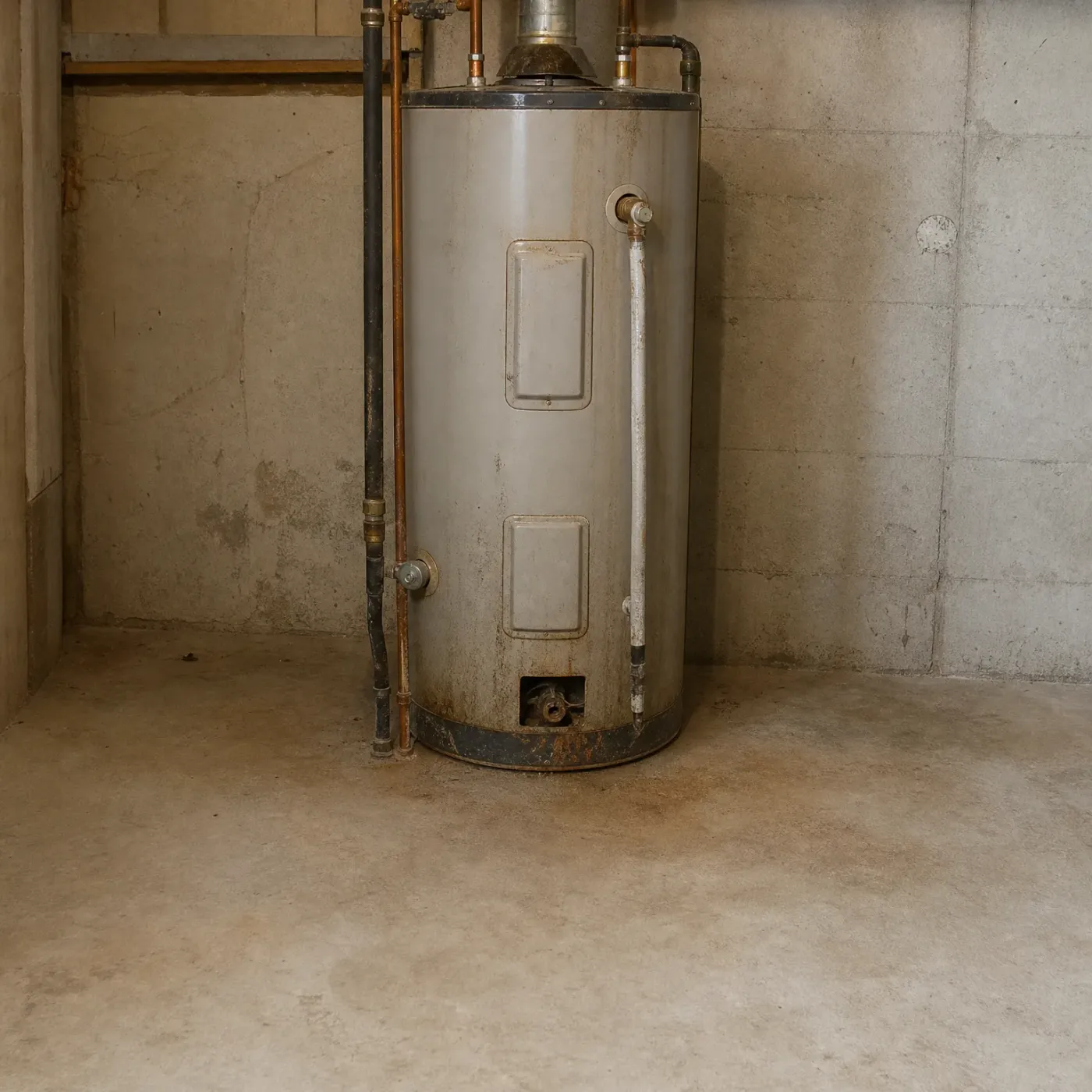
Rust at the base or along the tank body means the smell is the smaller problem. Once the steel itself is corroding, the tank has likely been without a working anode rod for a while, and a flush won't reach it. A unit in this shape is a replacement job, not a repair.
Is this just the hot water, or is something wrong in the tank
You probably notice it first running a bath or washing dishes, that sulfur smell rising with the steam. Check the cold tap in the same sink. If it's clean, the smell is coming from inside your tank, not your water supply. Left alone, the smell doesn't get better. The anode rod keeps reacting with the bacteria in the water, and the water sitting in the tank between uses gives it time to build up, which is why it's often worse first thing in the morning or after the house has been empty all day. It won't make you sick, but a tank that's gone this long without attention is also a tank nobody's checked for rust or a rod that's worn through, and that's worth knowing before it turns into a leak.
1
Sulfur bacteria in the tank react with the anode rod's metal
2
That reaction produces hydrogen sulfide gas inside the tank
3
Hot water carries the gas out through your faucet
4
A tech pulls the rod and checks how far it's corroded
A water heater pro near you
Your request goes to one pro, not a list of companies.
Describe your water heater job, and a local pro who handles it gets in touch.
It costs nothing to send, and you don't have to hire anyone.
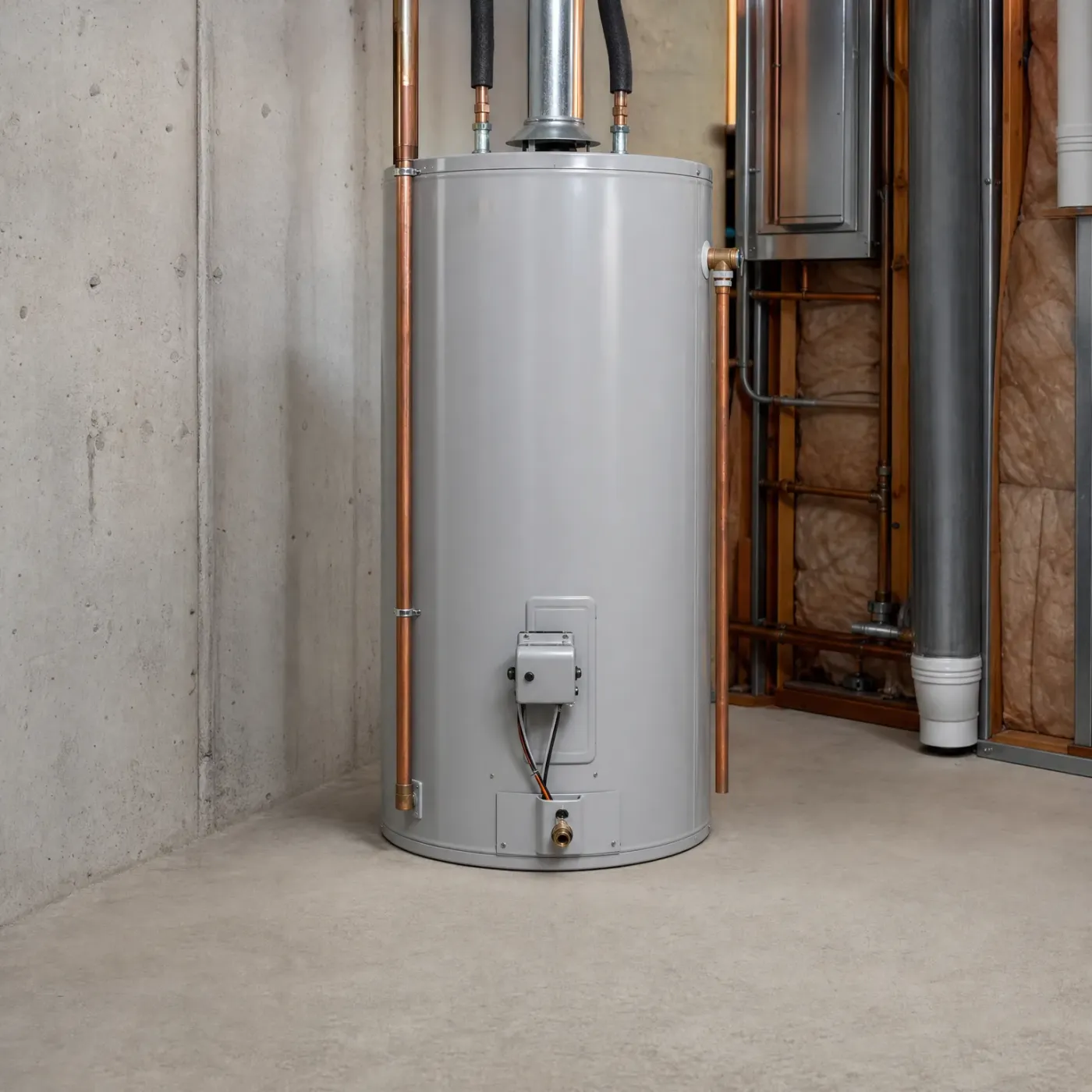
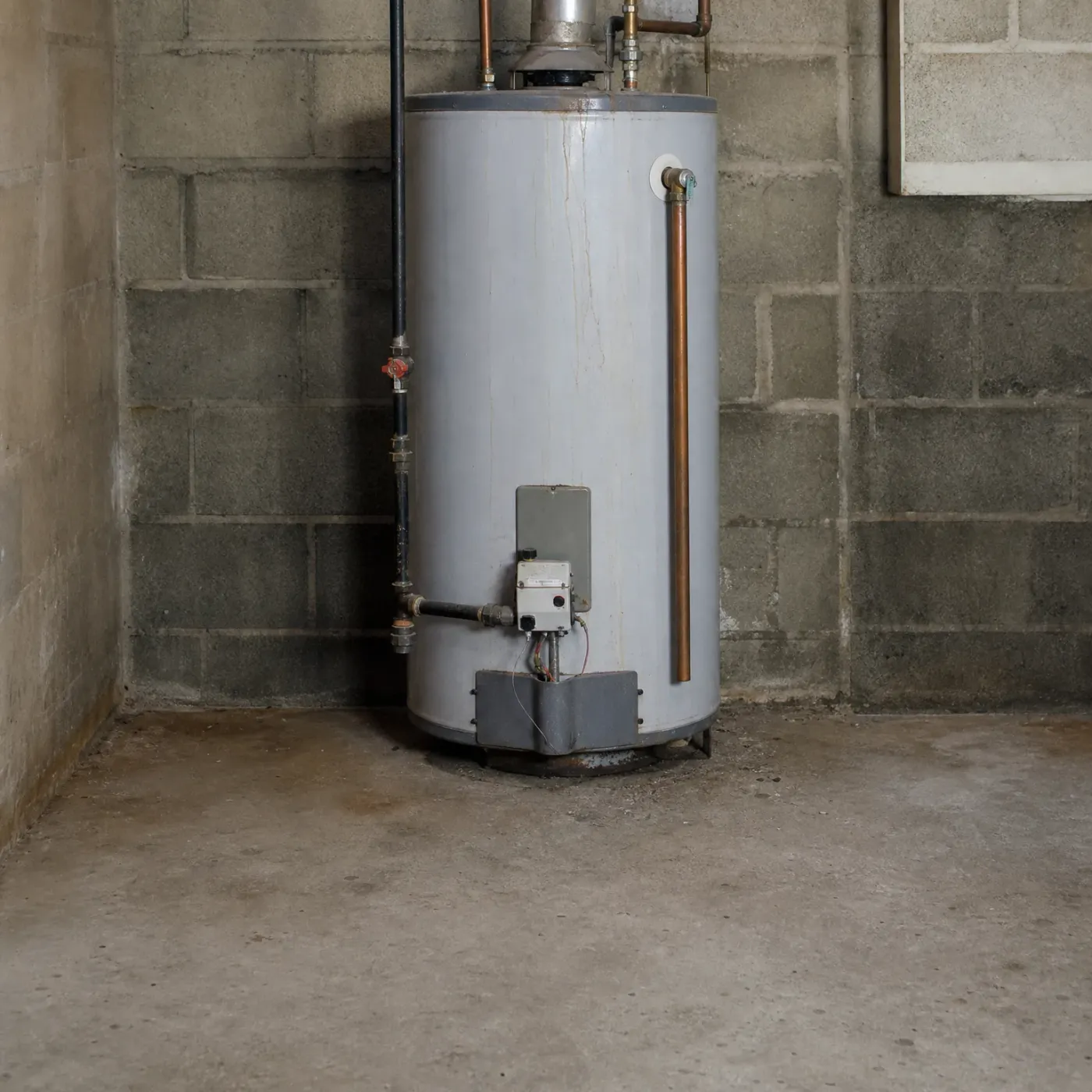
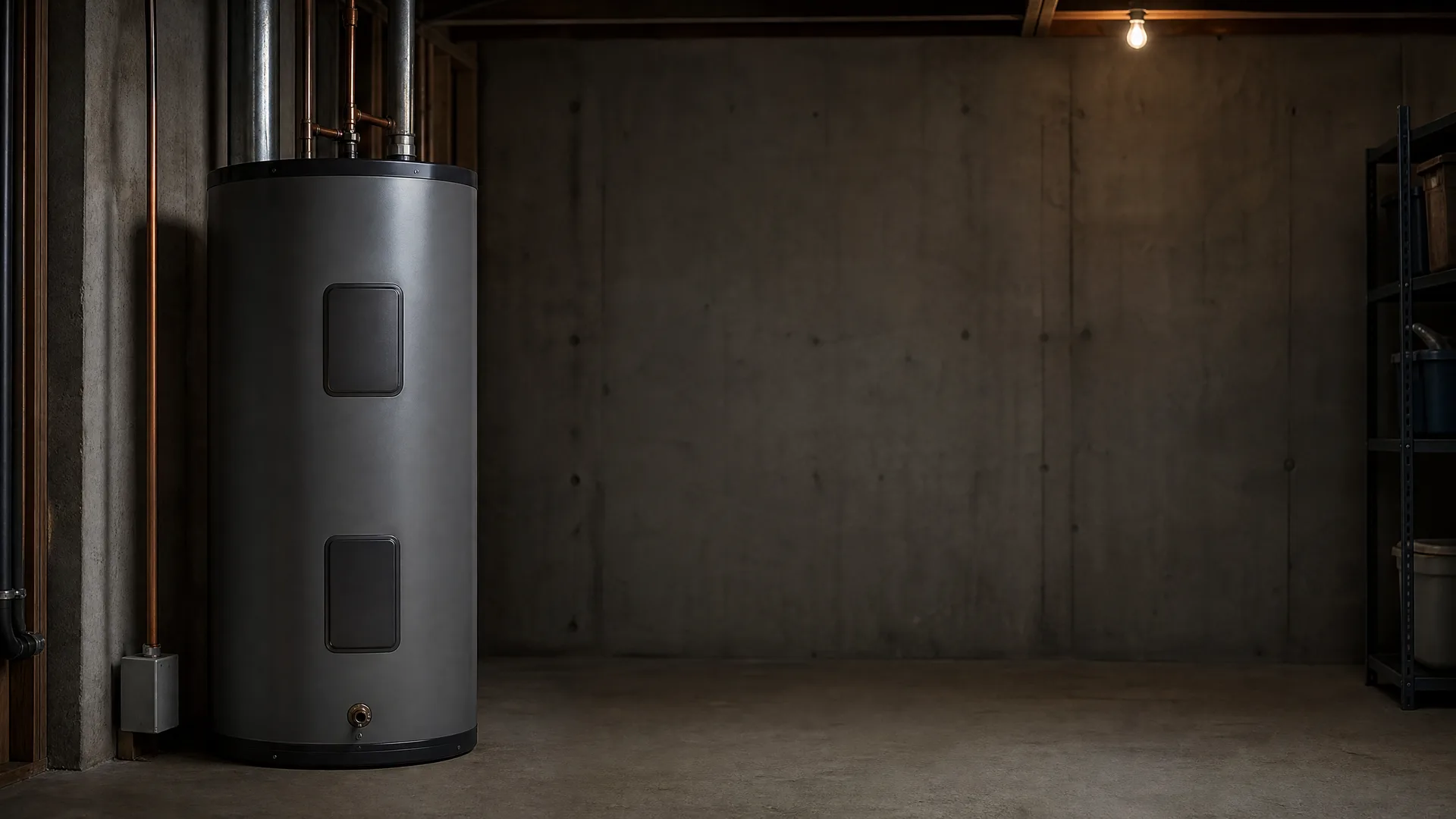
A water heater working as it should, with clean connections and no sign of trouble at the tank or the rod.
Corrosion at the valve and fittings like this often means the anode rod is spent and the tank needs a look.
Why the Rod Causes the Smell
The anode rod is a steel core wrapped in magnesium or aluminum, built to corrode so the tank itself doesn't.
As the rod wears down, it leaves more exposed metal for sulfur bacteria to react with, which is why the smell often gets worse over time.
Magnesium rods react more with these bacteria than aluminum ones, so a swap can cut down the smell without replacing the whole tank.
Some contractors install an aluminum-zinc rod instead, since the zinc helps slow the reaction that produces the gas.
A tank that sits unused for a week or more gives bacteria more time to build up, which is why the smell can show up after a trip.
The gas forms inside the tank itself, so a water filter on the line won't stop it since the smell starts past that point.
Inside the tank is a long metal rod, screwed into the top where you can't see it. It's steel at the core, wrapped in magnesium or aluminum, and it's there on purpose. The rod is built to corrode first so the steel tank around it doesn't rust through. That's its whole job for the years it sits in your water heater. Sulfur bacteria that live in the water feed on that reaction, and the byproduct is hydrogen sulfide gas, which is what you're smelling. A new rod has a full coating protecting it, so there's less exposed metal for the bacteria to work on. As it wears down over the years, more bare metal is exposed, the reaction picks up, and the smell that was faint before gets stronger. Magnesium rods react more with these bacteria than aluminum does, which is part of why some homes get this smell and others with the same setup don't. A contractor can swap in an aluminum-zinc rod instead. The zinc slows the reaction that produces the gas, so the smell backs off without needing a new tank. None of this has anything to do with a water filter, since the gas is already formed by the time water reaches your faucet. If your tank sat unused while you were away, that's extra time for bacteria to build up, which is why some people notice the smell right after getting home.
61.2% of homes statewide heat with electricity
Most homes across Texas run electric water heaters rather than gas. Electric tanks still use a magnesium or aluminum anode rod, so they're just as likely to develop that sulfur smell. Swapping to a zinc-alloy rod works the same way whether your tank runs on electricity or gas.
ACS 2020-2024 5-year B25040
The smell means the anode rod in your tank has reacted with bacteria in the water, and a tech can usually clear it by flushing the tank and replacing the rod with one that won't react the same way. That part doesn't change whether your tank runs on gas or electric, and it doesn't mean your water is unsafe to use in the meantime. What it does mean is the rod needs a look, and that's a job for someone who pulls rods out of tanks all year and knows which ones are worn past saving and which just need a flush. A local contractor who works on water heaters across Texas has seen this exact complaint plenty of times and knows what to check first. You'll be matched with one contractor, not several, so you're not fielding calls from companies competing for the job. They'll reach out, take a look at your tank, and tell you straight whether it's a quick fix or time for a new rod.