

Working the way it should
This tank shows what a healthy setup looks like: a clean shutoff, copper lines, a relief valve with its discharge tube reaching down and out. The access panels are sealed. No rust streaks, no puddle at the base.
Tell a local repair pro what your water heater is doing.
Get matchedA puddle under the tank or a drip you noticed while putting something away in the closet gets your attention fast, especially with most homes here running on electric heat where the water heater is one more thing drawing power. You want to know if this is a quick fix or if the tank is done for, and whether it is safe to leave until you can get someone out.
A leak usually starts at a fitting, a valve, or the tank itself. The drain valve near the bottom can loosen or wear out. The temperature and pressure relief valve can open if the water inside gets too hot or the pressure builds too high. Supply lines and fittings can corrode where they connect to the tank. Any of those can be replaced. A leak from the tank itself is different. Steel tanks corrode from the inside over years, and once the metal gives way, water finds a path through the wall of the tank. That kind of leak means the tank needs to be replaced, not repaired. A plumber can tell you which one you're dealing with by looking at where the water is actually coming from.
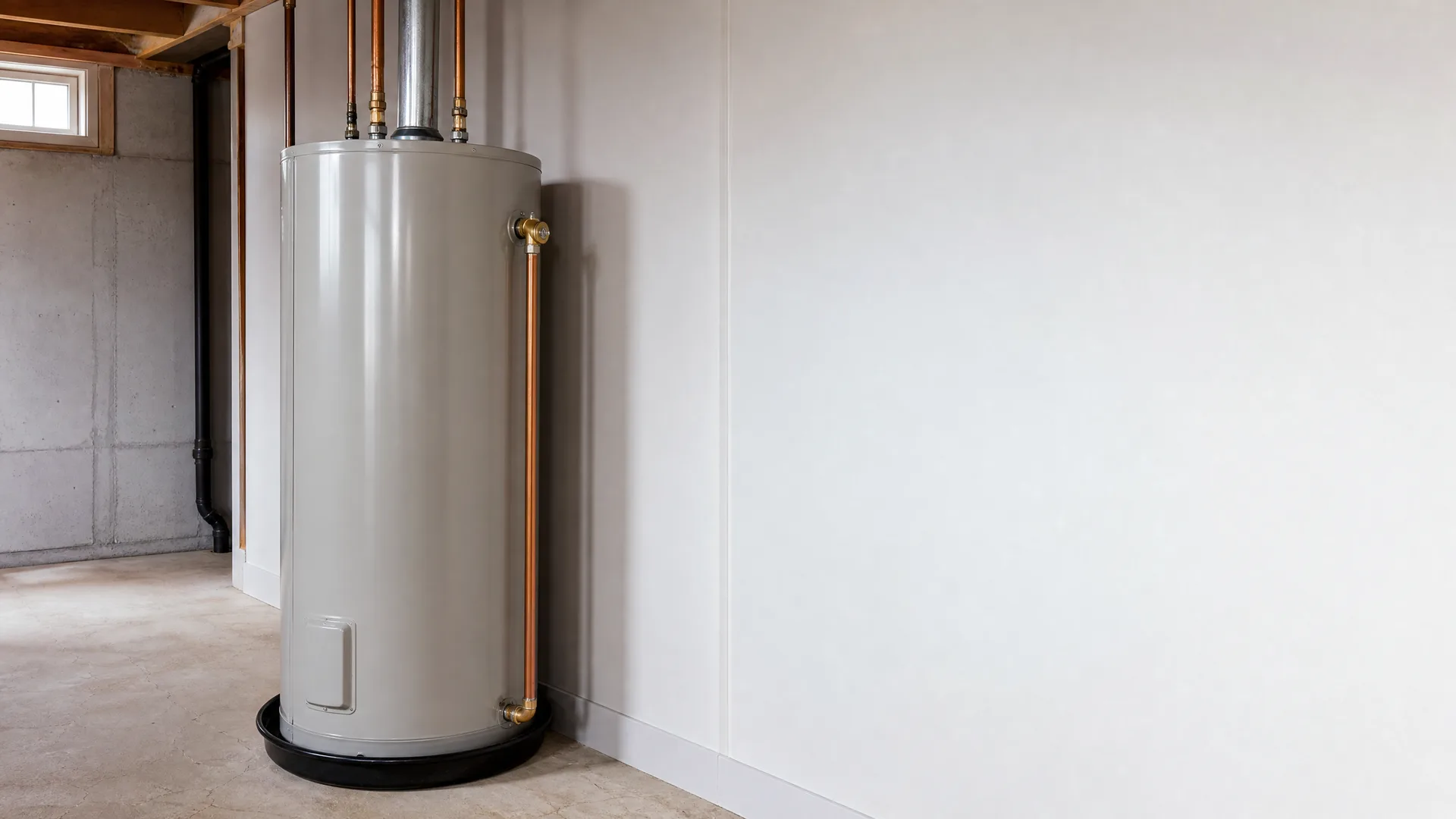
Water pools at the bottom of the tank for a few reasons. The tank itself can corrode from the inside out after years of holding hot water, and once it rusts through, no part replaces that. A loose fitting on the inlet or outlet line can drip slowly for weeks before you see it. The drain valve near the bottom is another common spot, especially if it was never fully closed after the tank was last drained.
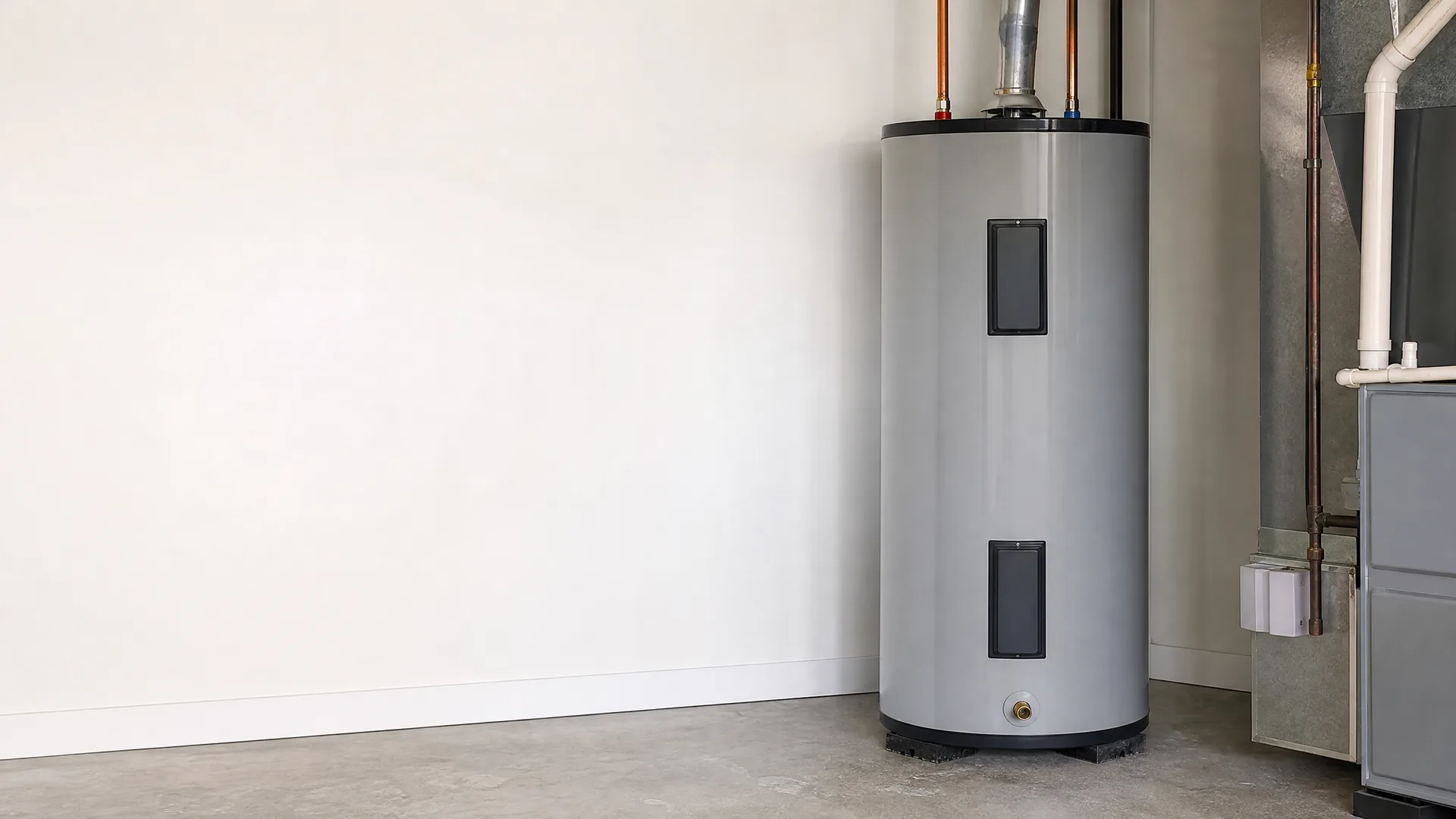
Every tank has a temperature and pressure relief valve on the side or top, and it's built to open if pressure inside gets too high. Water coming from there isn't always a sign the valve is bad. Sometimes it means the pressure in the line feeding your house is higher than the valve is rated for, so it opens to protect the tank from a different problem than the one you're looking at.

Most water heaters sit in a closet, a garage, or an attic, and none of those forgive standing water. A slow drip on a closet floor can soften the base of the cabinet or the drywall behind it before you ever see the puddle. One in the attic finds the ceiling below it first. You may not catch it until a stain shows up somewhere else in the house.
There is also what it does to your water. Once the tank is leaking, you are losing hot water as fast as the system heats it, and running an electric water heater that is trying to keep up with a leak costs more than one that is not. Tracking down a contractor who does this kind of repair, calling a few, and going through what is wrong with each one takes evenings you would rather spend elsewhere. Getting matched with someone who handles this and having them reach out to you skips that part.

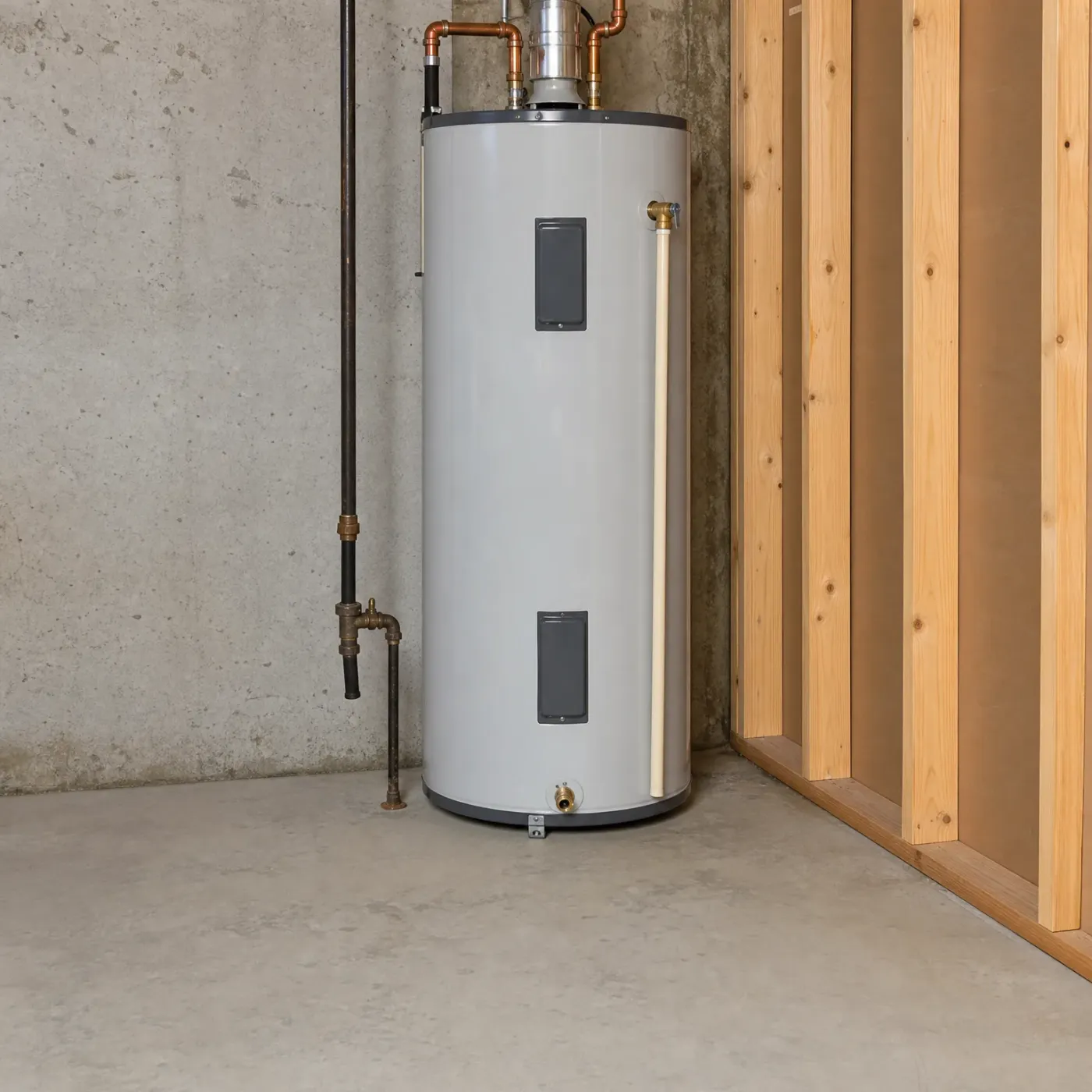
This tank shows what a healthy setup looks like: a clean shutoff, copper lines, a relief valve with its discharge tube reaching down and out. The access panels are sealed. No rust streaks, no puddle at the base.
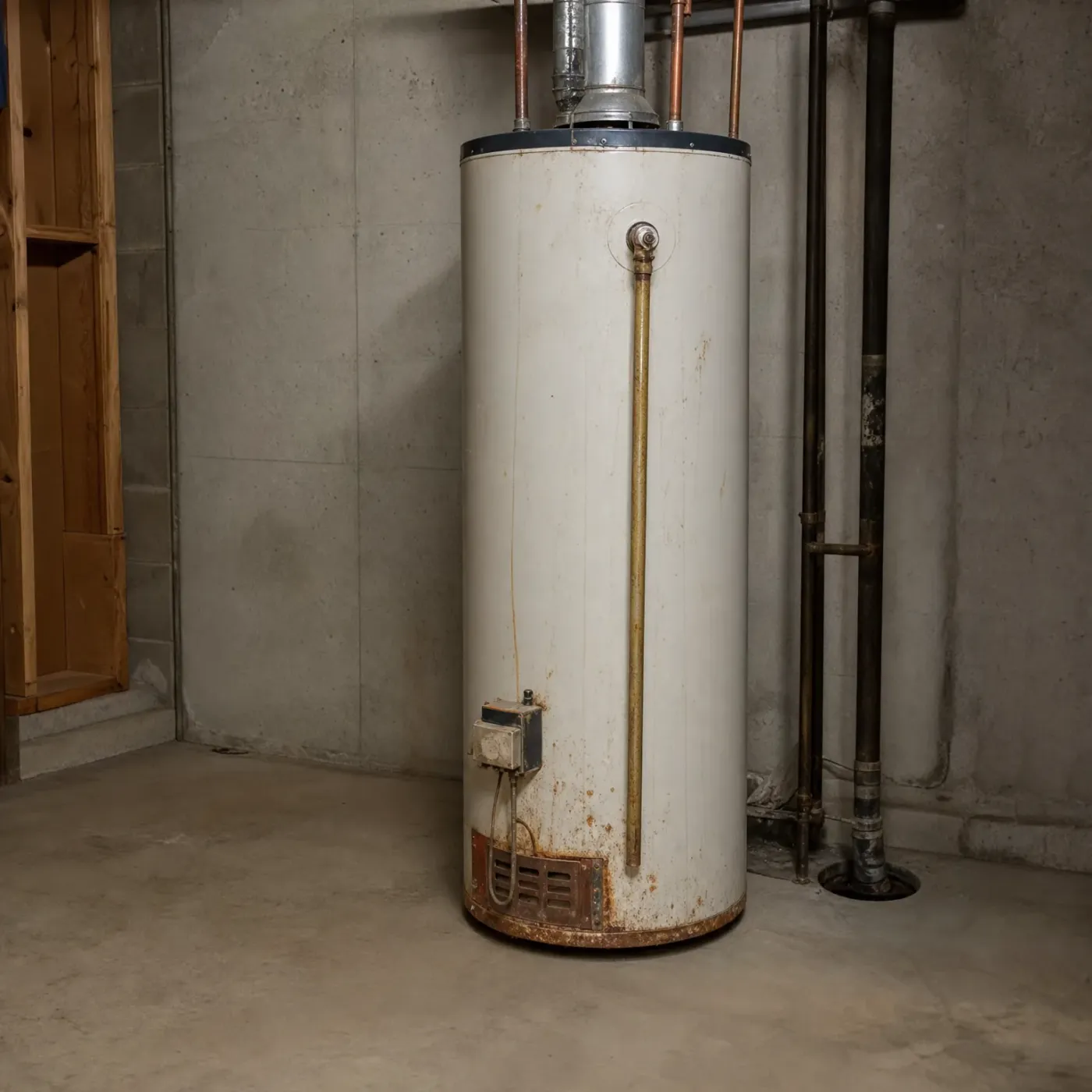
Rust spreading across the lower section and base like this usually means the tank itself has started to fail from the inside. A floor drain nearby helps, but it won't stop the corrosion, and no fitting or part fixes a tank that's rusted through.




A leaking water heater does not wait for a convenient week. Once a tank is rusted through or a fitting is loose at the base, the drip keeps going until someone with the right tools looks at it, and most homeowners do not have a plumber's number sitting in their phone for a Tuesday afternoon problem like this. Finding one means searching, calling a few numbers, describing the same puddle and the same closet three or four times, then waiting to see which quote actually matches the work you described. Texas humidity already works against anything damp in a closet or garage, so the longer that search takes, the longer the leak has to do its damage to the floor or the drywall around it. Handing the problem off instead means you describe it once, to a contractor who works on water heaters in your area, and the back and forth of finding them stops being your job.
A slow weep at a fitting might hold off a few days without spreading much past the drip pan. If the leak is at a valve or a union joint, tightening it or waiting for a slot on the schedule usually does not turn into a bigger mess overnight. Keep towels down, keep an eye on the pan, and check it morning and night. If the water stays where it started and the puddle is not growing, you have some room to work with before anyone can get out to look at it.
A leak from the tank itself does not wait. Once the steel has rusted through, the hole only gets bigger, and the water on the floor will too. Shut off the cold water supply at the valve above the tank and cut power at the breaker if it is electric. That stops the damage from spreading while you sort out next steps. Steady water on the floor, a tank that is visibly bulging, or water coming from underneath rather than a fitting on top all mean this is not something to leave for later in the week.
With most Texas homes running on electric water heaters, that tank has its own breaker and its own wiring, separate from the gas lines some other homes deal with. A leak here still means checking the power to the unit before anyone touches it, electric or not.
ACS 2020-2024 5-year B25040
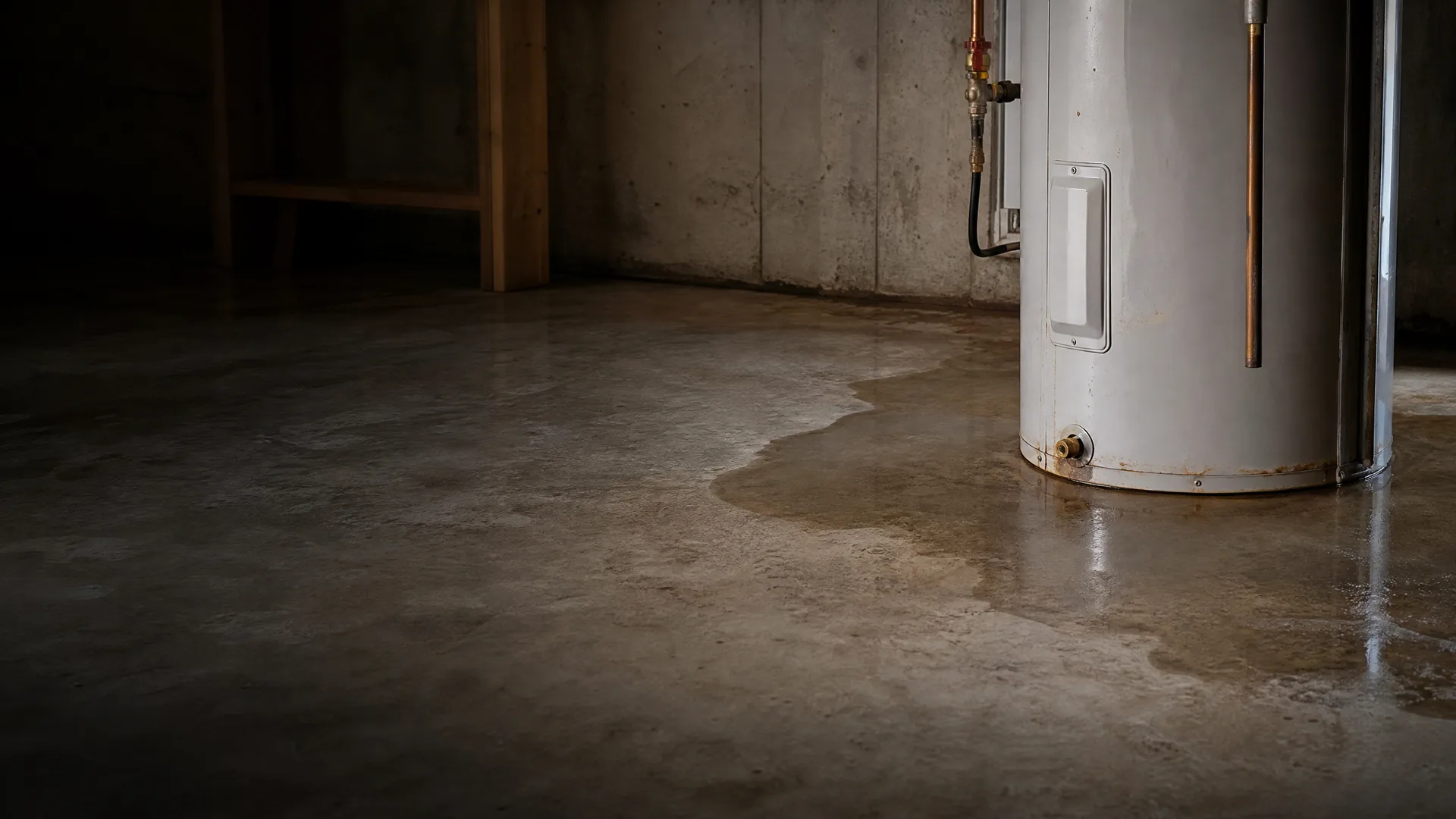
Saturday morning, and you go down to the basement to switch a load of laundry. The concrete floor near the water heater is dark and wet, spreading out from the base of the tank in a slow half circle. It has not reached the drain yet. You crouch down and run a hand along the bottom seam and it comes away wet too. The breaker box is a few feet away and you think about that before you think about calling anyone. Outside it is already warm, the kind of muggy Texas morning that makes you glad this is a basement problem and not an attic one. The laundry sits half folded on top of the dryer.
A water heater leaks because something in it has given out, a rusted tank, a loose fitting, a valve that no longer seals, and none of those get better on their own. You've seen what to check and what it points to. What you can't do yourself is get under the tank, pressure test a line, or tell a corroded shell from a fitting that just needs tightening. That takes someone licensed to look at your unit and say which one it is. Instead of calling around Texas plumbers, explaining the puddle and the breaker and the drip pan over and over, and sorting through quotes that may or may not cover the same work, you can skip to the part where someone who does this for a living takes a look. The leak itself will not wait for a convenient week, but finding the right person to stop it does not have to take one either.


Get your water heater to the right pro
Explain the job once and skip repeating it on every call.